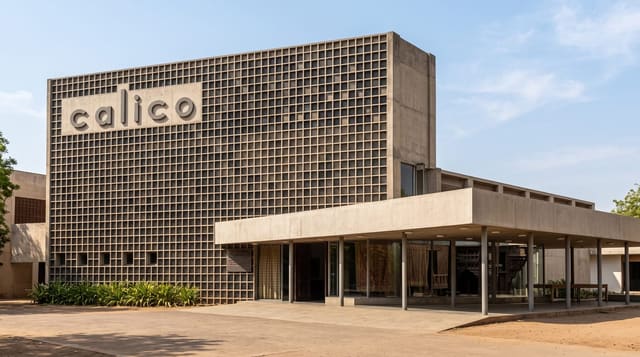
Pinto Art Museum
Whitewashed galleries in an Antipolo hillside garden, holding one of the best collections of contemporary Filipino art in the country.
Updated 22 October 2026

AI illustration
Pinto was founded by the neurologist and collector Joven Cuanang on a hillside in Antipolo, and the setting is half of what makes it work: a series of whitewashed, Mediterranean-influenced buildings designed by Antonio Leaño, spread through terraced gardens with courtyards, pools, arches and views back over Metro Manila, so moving between galleries means walking outdoors through planting. The collection is contemporary Philippine art, strong on the Salingpusa and Sanggawa groups and on artists who emerged from the 1990s onward, with painting, sculpture and installation across the pavilions, plus a small ethnographic and medical-history section. There is a café and a chapel. It is an hour from Manila on a good day and considerably more at weekends, when Antipolo's roads fill; going on a weekday morning is the difference between a pleasant few hours and a queue.
History
The doctor and collector Joven Cuanang bought the house and lot in Antipolo in the 1970s, opened the Pinto Gallery around 2000 and founded the Pintô Art Museum in 2010, out of his long patronage of local Antipolo artists. The museum is run by the Silangan Foundation for the Arts, Culture, and Ecology (Wikipedia, Pintô Art Museum).
What to look for
- The white pavilions - galleries linked through terraced gardens.
- The contemporary collection - painting, sculpture and installation.
- The garden setting - courtyards, pools and city views.
- The chapel and café - the quieter corners of the grounds.
When to go
November to May for the gardens at their best; weekday mornings to avoid both traffic and crowds. It closes on Mondays.
Practical notes
Weekend traffic to Antipolo is heavy and the museum gets busy. Entry is charged and the site is spread over slopes and steps. Public transport gets you to Antipolo, not to the gate.
Nearby
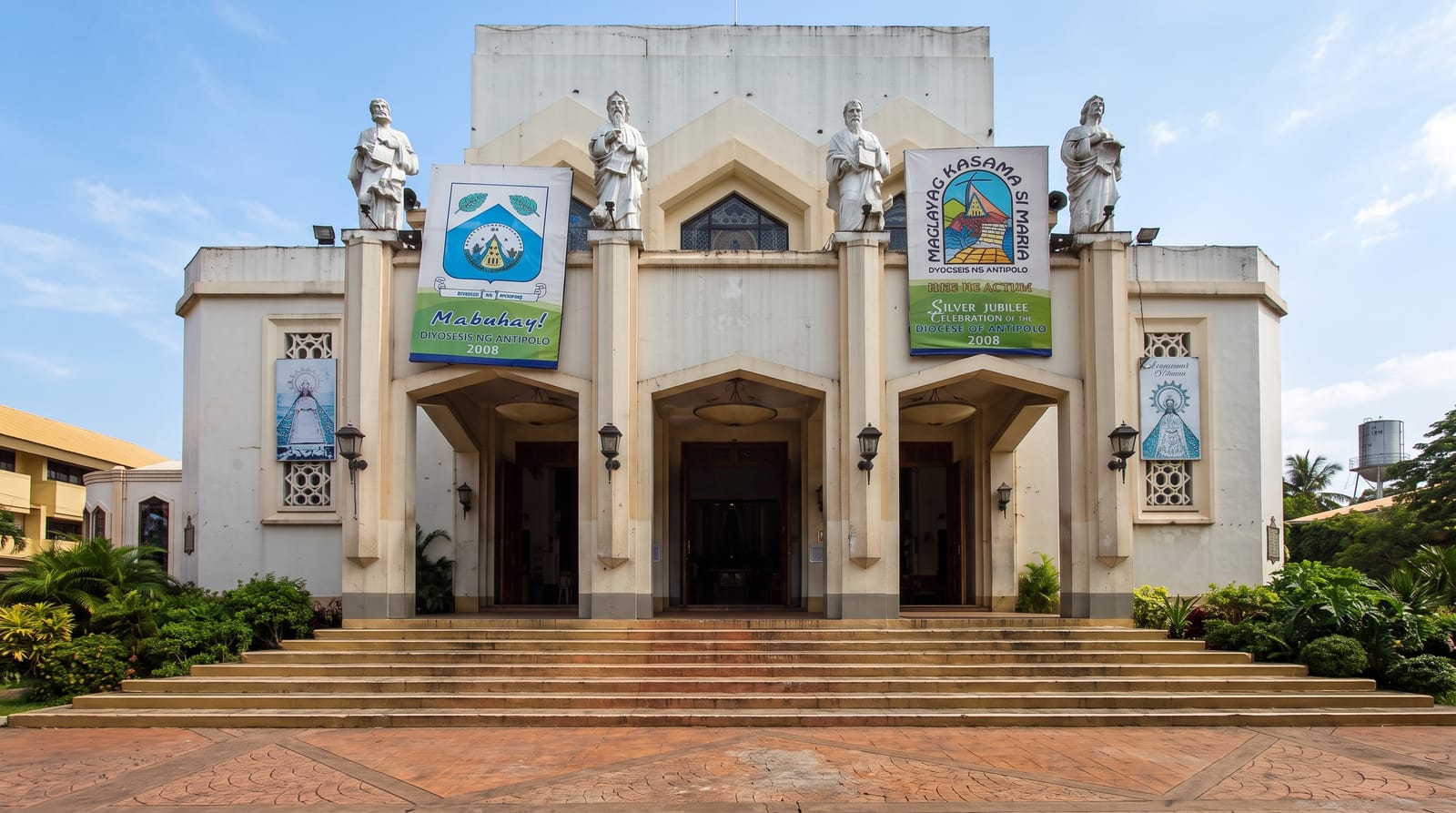
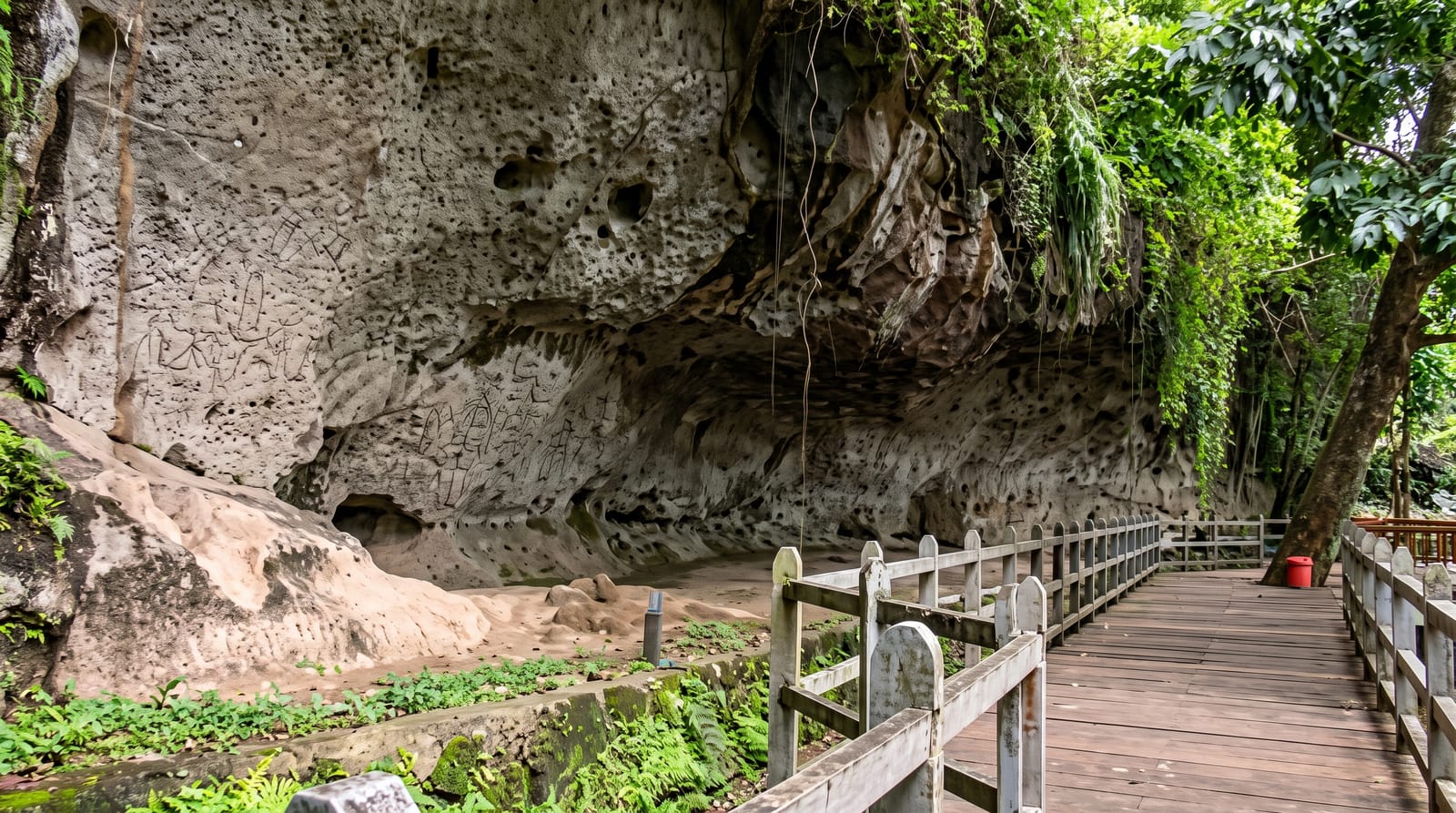
Antipolo Cathedral and Hinulugang Taktak are close; the Rizal ridge restaurants overlook the city.
Key facts
Source: Wikidata, item Q122699264, read on 18 October 2026.
What to pack for Pinto Art Museum
Chosen from what this place is for. Tap a kit for the full checklist.
- Comfortable walking shoes - Sightseeing means kilometres of pavement and cobbles daily. Find on Amazon
- Modest clothing - Shoulders and knees covered - the single most common requirement. Find on Amazon
- A slim anti-theft daypack - Zips that close properly; keep it in front in crowds and on transit. Find on Amazon
- A scarf or shawl - To cover the head or shoulders on entry; women especially at mosques. Find on Amazon
Some links on this page are Amazon affiliate links - if you buy through them we may earn a small commission at no extra cost to you.
All packing kitsPlan your trip
Where to start if Pinto Art Museum is going on the list.
Booking links on this page are affiliate links - if you book through them we may earn a small commission at no extra cost to you. It never changes what we write about a place.
Opening times, ticket prices and seasonal closures change - check the official source before you go: official site.