Mount Hibok-Hibok
Camiguin's active volcano - a steep climb to a crater rim and a summit view over an island made entirely of volcanoes.
Updated 21 October 2026

AI illustration
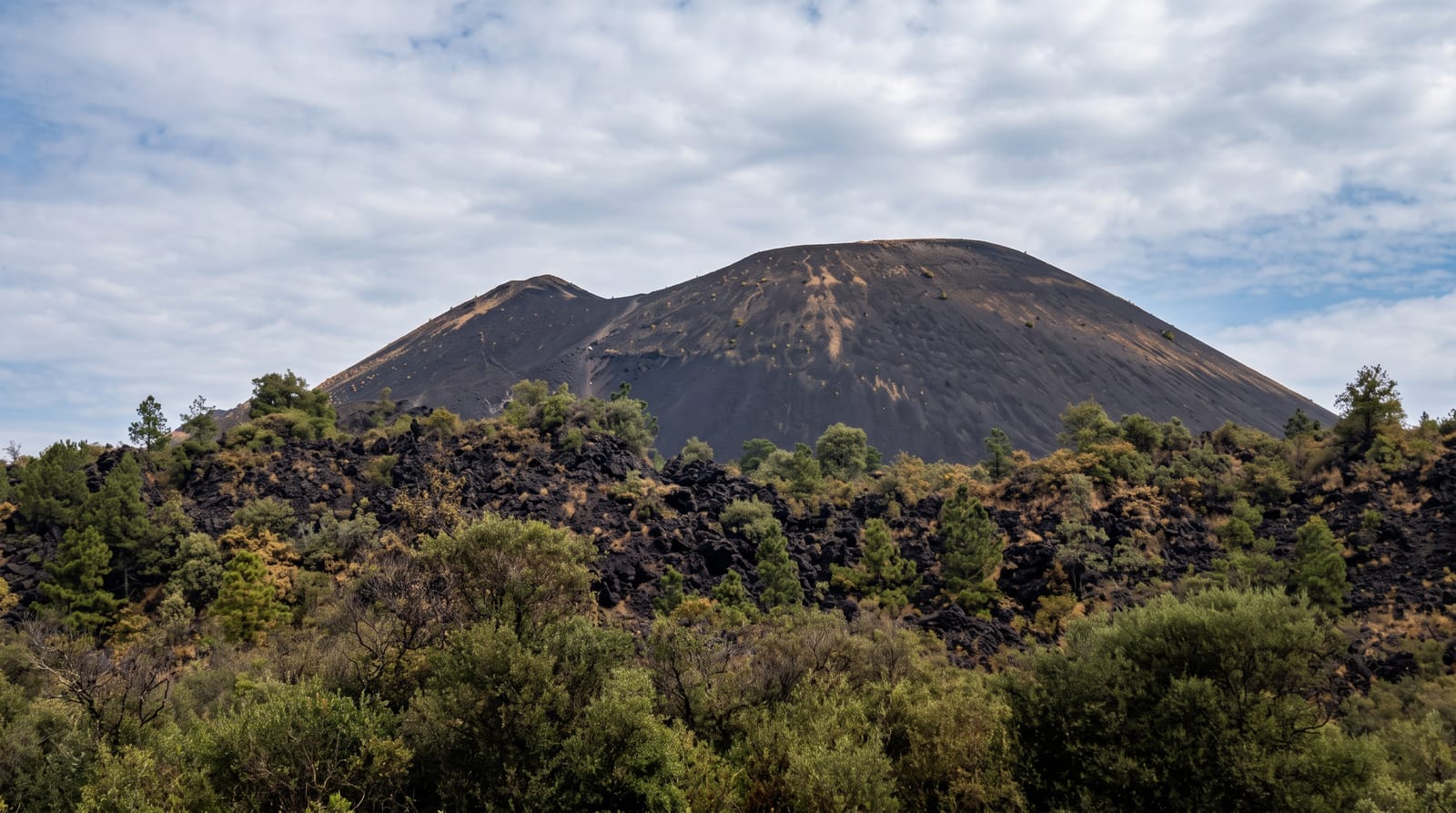
Hibok-Hibok is the only one of Camiguin's several volcanoes still classed as active, and its last major eruption, in December 1951, after three years of activity, destroyed nearly nineteen square kilometres around Mambajao, and Camiguin's population fell from about 69,000 to 34,000 as people left; it led to the founding of the Philippine Institute of Volcanology and Seismology - the country's volcano monitoring agency exists in part because of what happened on this mountain. Climbing it takes a hard day: about thirteen hundred metres of ascent from near sea level, steep and largely unshaded on the upper sections, through forest and then over old lava and ash to a crater rim with a small lake in the caldera and a view that takes in the whole island, the sea, and Bohol and Mindanao on clear days. Guides are required and registration is handled through Mambajao's tourism office. The Ardent hot springs on the lower slopes are heated by the same system and are where most climbers end the day.
What's there
- The crater rim - the summit edge and its small lake.
- The lava ground - old flows and ash on the upper slopes.
- The island view - Camiguin's volcanoes from above.
- The hot springs - Ardent's heated water at the base.
When to go
March to June for the driest, clearest conditions. Start before dawn - the upper mountain is brutal in midday sun and cloud usually closes in by late morning.
Before you go
This is a steep, long climb with loose ground, not a walk. Guides and registration are mandatory. The volcano is active and monitored - check status before planning. Carry all your water.
Nearby
Ardent hot springs, Katibawasan Falls and the sunken cemetery are all on the same side of the island.
Key facts
Source: Wikidata, item Q1319819, read on 18 October 2026.
What to pack for Mount Hibok-Hibok
Chosen from what this place is for. Tap a kit for the full checklist.
- Broken-in walking shoes or boots - Grip and ankle support matter more than looks; never hike in brand-new boots. Find on Amazon
- Swimwear - Needed at most public thermal pools; some traditional baths are nude and single-sex. Find on Amazon
- Layers + a waterproof shell - Mountain weather turns fast; a packable rain jacket saves the day. Find on Amazon
- Quick-dry towel + flip-flops - For wet changing areas and hot poolside stone. Find on Amazon
Some links on this page are Amazon affiliate links - if you buy through them we may earn a small commission at no extra cost to you.
All packing kitsPlan your trip
Where to start if Mount Hibok-Hibok is going on the list.
Booking links on this page are affiliate links - if you book through them we may earn a small commission at no extra cost to you. It never changes what we write about a place.
Opening times, ticket prices and seasonal closures change - check the official source before you go: official site.