Manila and Intramuros
The historic heart of the Philippine capital - the old walled city of Intramuros, with its Spanish colonial fort, churches and cobbled streets, amid the vast, chaotic energy of modern Manila.
Updated 18 October 2026
AI illustration
Real photos (1)
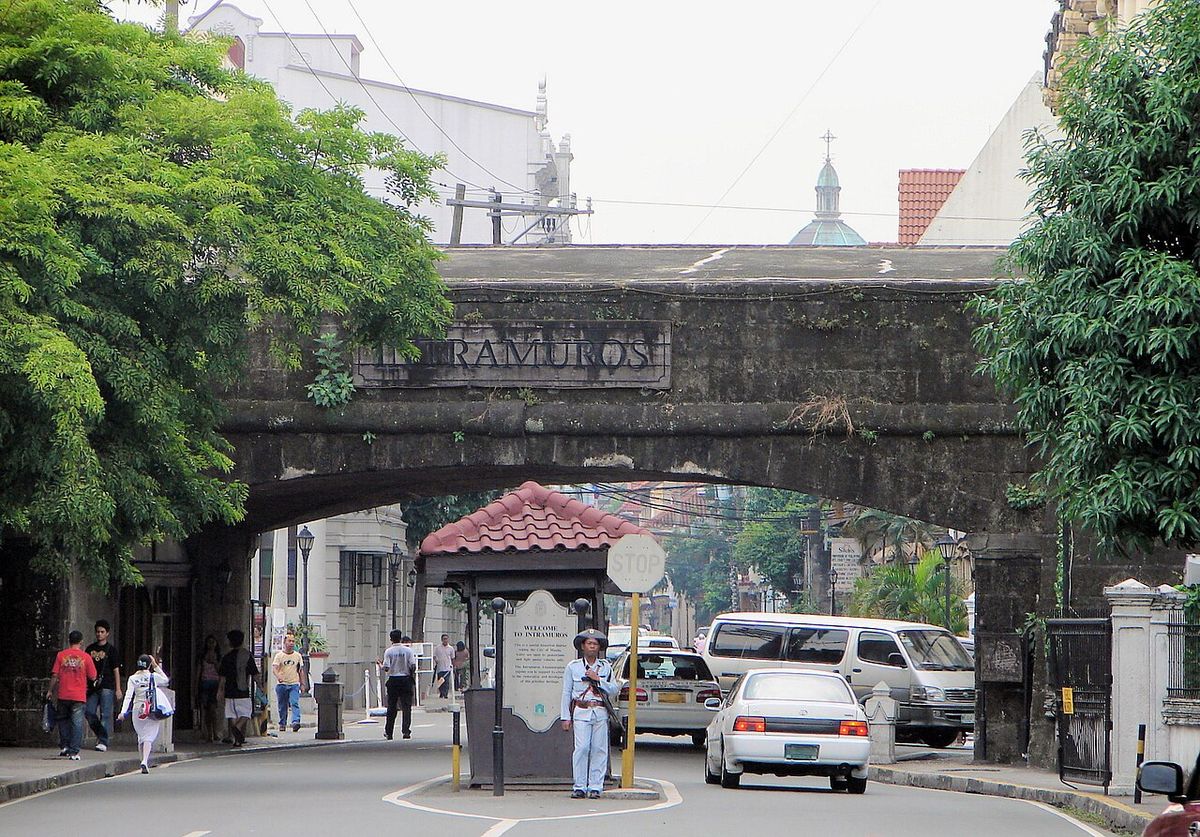
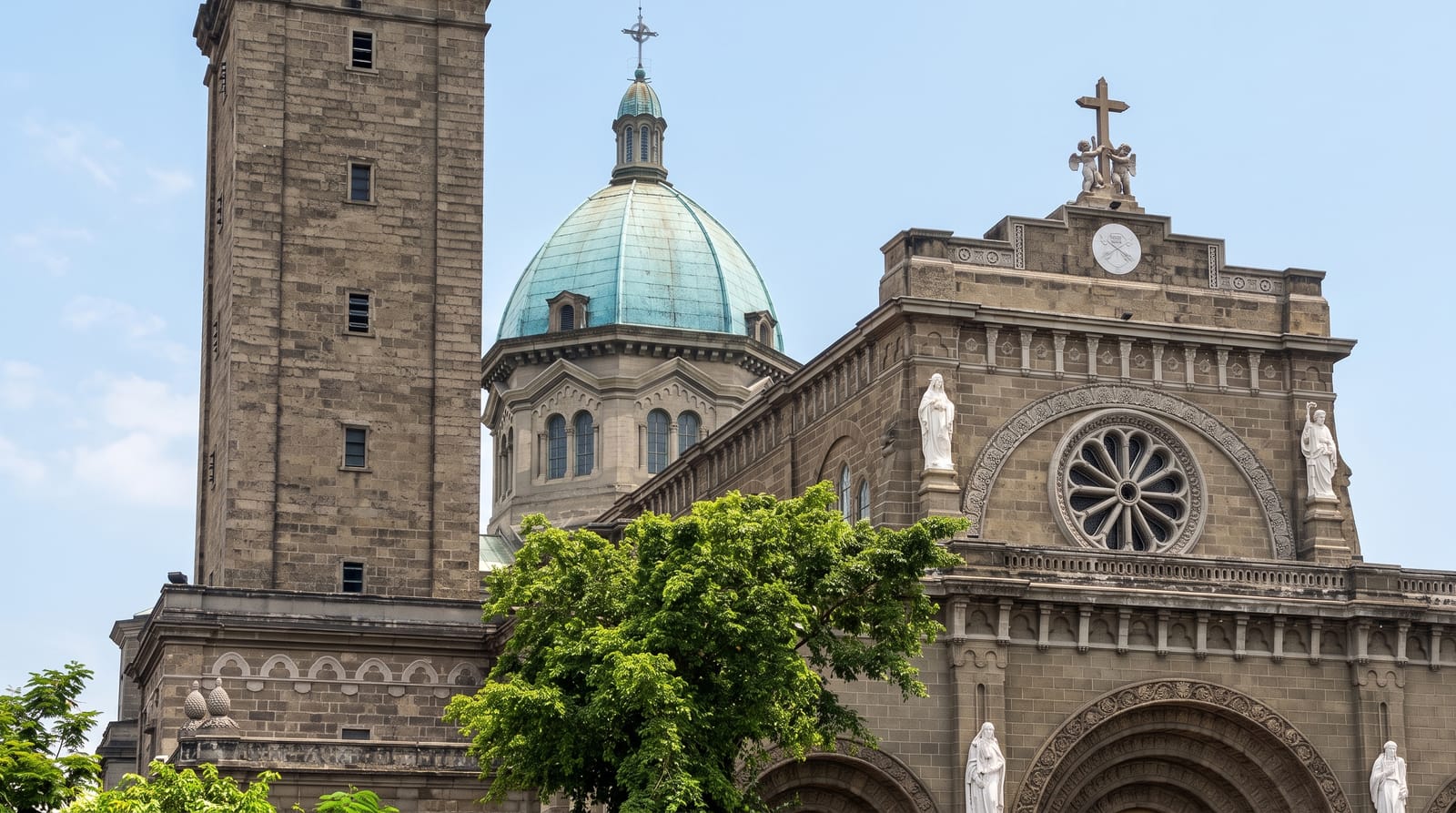
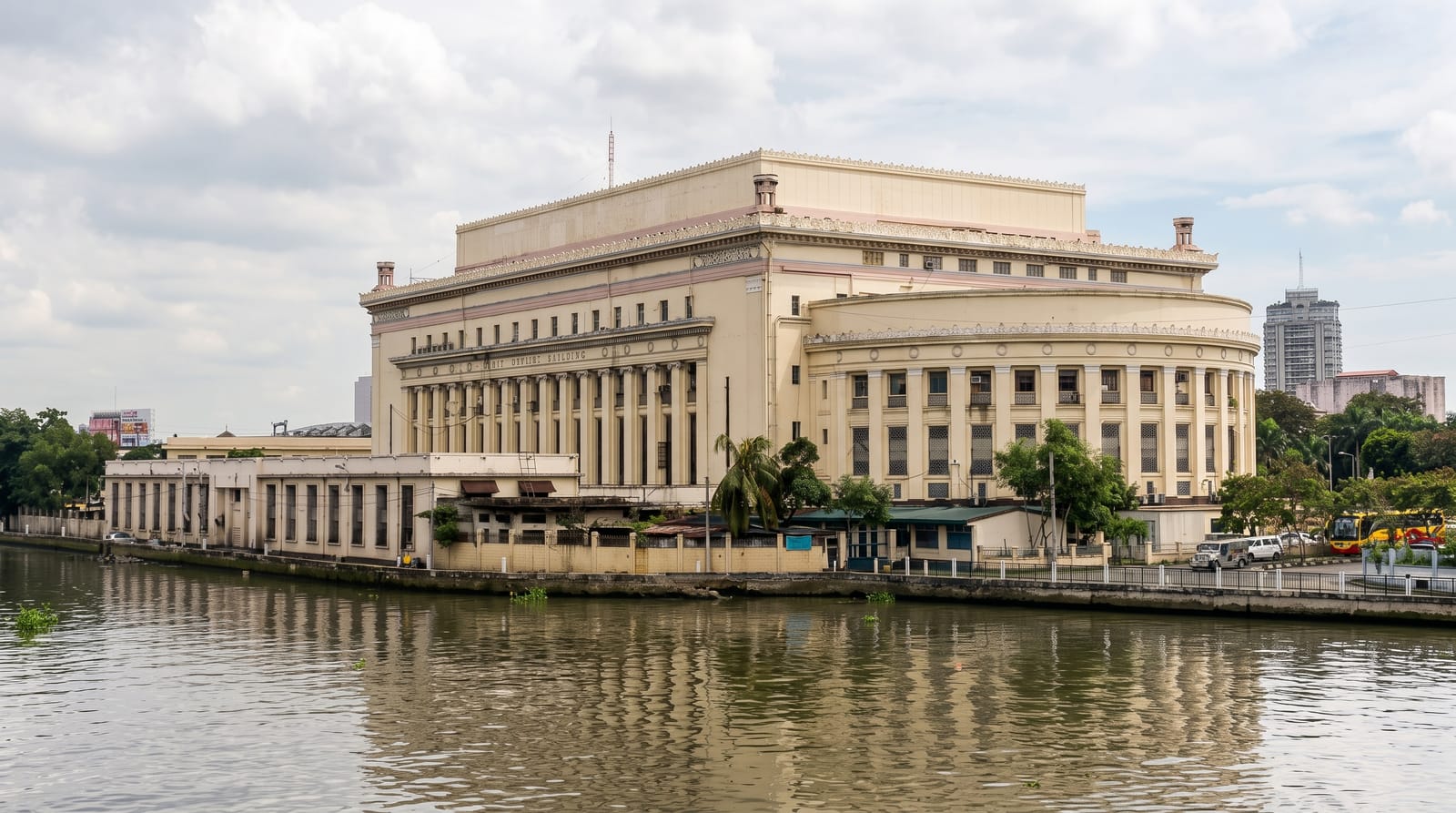
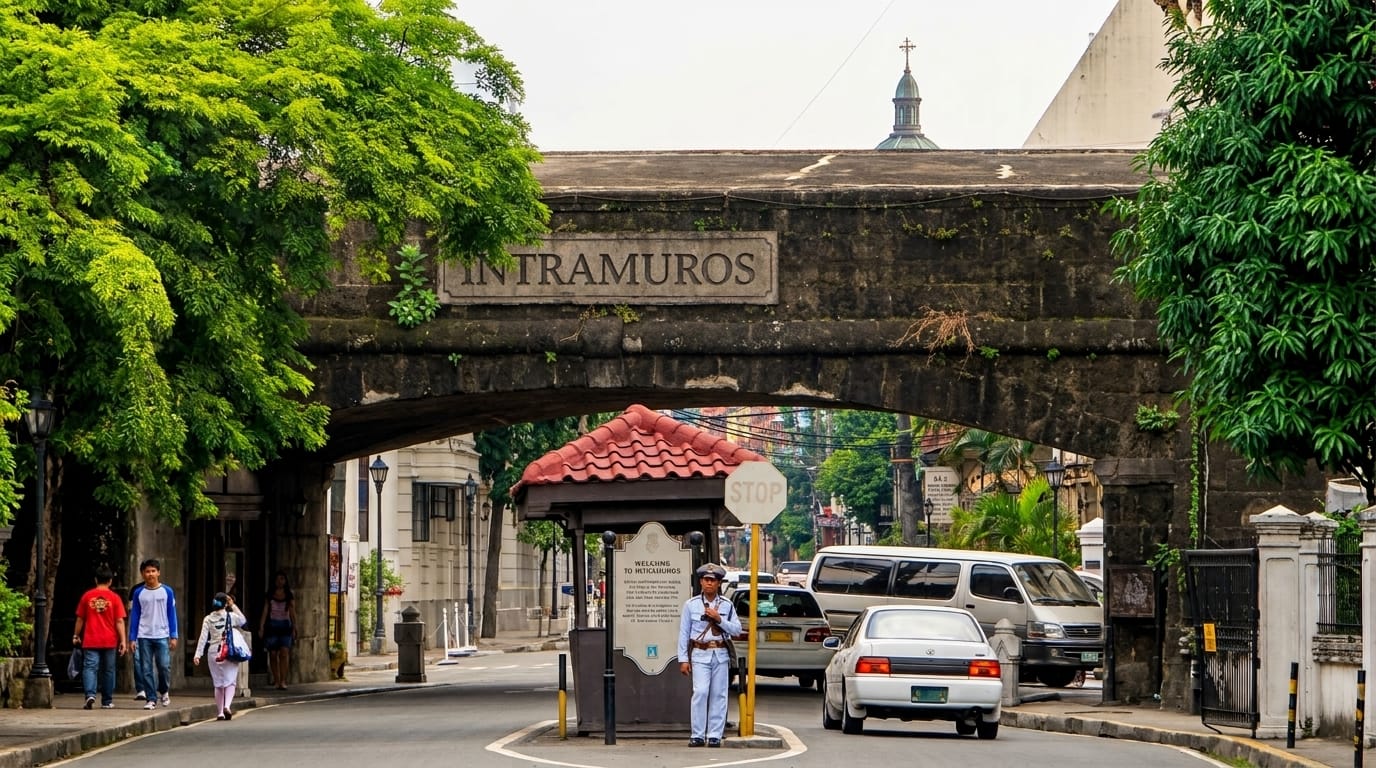
Manila, the huge, chaotic and vibrant capital of the Philippines, holds its history in Intramuros, the old walled city built by the Spanish over four centuries ago. Within its stone ramparts lie the historic Fort Santiago, the beautiful San Agustin Church, cobbled streets and colonial-era buildings, offering a glimpse of the Spanish colonial past amid the sprawling, frenetic energy of one of Asia's most densely populated cities.
History
Before the Spanish, the polity of Maynila stood here, at the mouth of the Pasig River, trading with merchants from China, India, Borneo and Indonesia. Miguel López de Legazpi declared Manila the capital of the Spanish colony on 24 June 1571, and the walled city was the seat of the governor-general from then until 1865. A raid by the pirate fleet of Limahong in 1574 left the young city in ruins and led to its stone walls: begun under Governor-General Santiago de Vera to a plan by the Jesuit Antonio Sedeño, they were carried through under Gómez Pérez Dasmariñas by the military engineer Leonardo Iturriano, built by Chinese and Filipino workers (Wikipedia, Intramuros).
What to look for
- Fort Santiago - the old Spanish fortress and Rizal shrine.
- San Agustin Church - the oldest stone church in the country.
- The walls and streets - the ramparts and colonial-era Intramuros.
- Rizal Park - the great park honouring the national hero.
When to go
December to May, the dry season, for the best weather; the cooler months of December to February are most pleasant. Explore Intramuros in the cooler morning, on foot or by the bamboo bike and kalesa horse-carriage tours.
Things to know
Manila is vast, dense and notoriously traffic-choked and polluted, so it can overwhelm, and most travellers pass through quickly en route to the islands. Intramuros is the main historic draw, much of it rebuilt after wartime destruction. Take normal city precautions with valuables. It is more a gritty, energetic gateway than a polished destination.
Nearby
The historic town of Vigan, the Taal volcano and the islands are reached from Manila.
Key facts
Source: Wikidata, item Q772211, read on 18 October 2026.
What to pack for Manila and Intramuros
Chosen from what this place is for. Tap a kit for the full checklist.
- Padded shorts - The one thing that makes a full day in the saddle bearable. Find on Amazon
- Comfortable walking shoes - Sightseeing means kilometres of pavement and cobbles daily. Find on Amazon
- Modest clothing - Shoulders and knees covered - the single most common requirement. Find on Amazon
- Helmet - Bring your own if you have a good one; rentals vary wildly. Find on Amazon
Some links on this page are Amazon affiliate links - if you buy through them we may earn a small commission at no extra cost to you.
All packing kitsPlan your trip
Where to start if Manila and Intramuros is going on the list.
Booking links on this page are affiliate links - if you book through them we may earn a small commission at no extra cost to you. It never changes what we write about a place.
Opening times, ticket prices and seasonal closures change - check the official source before you go: official site.