House of Dakay
Described as the oldest surviving Ivatan stone house in Batanes, built in 1887 at Ivana and lived in ever since.
Updated 14 October 2026
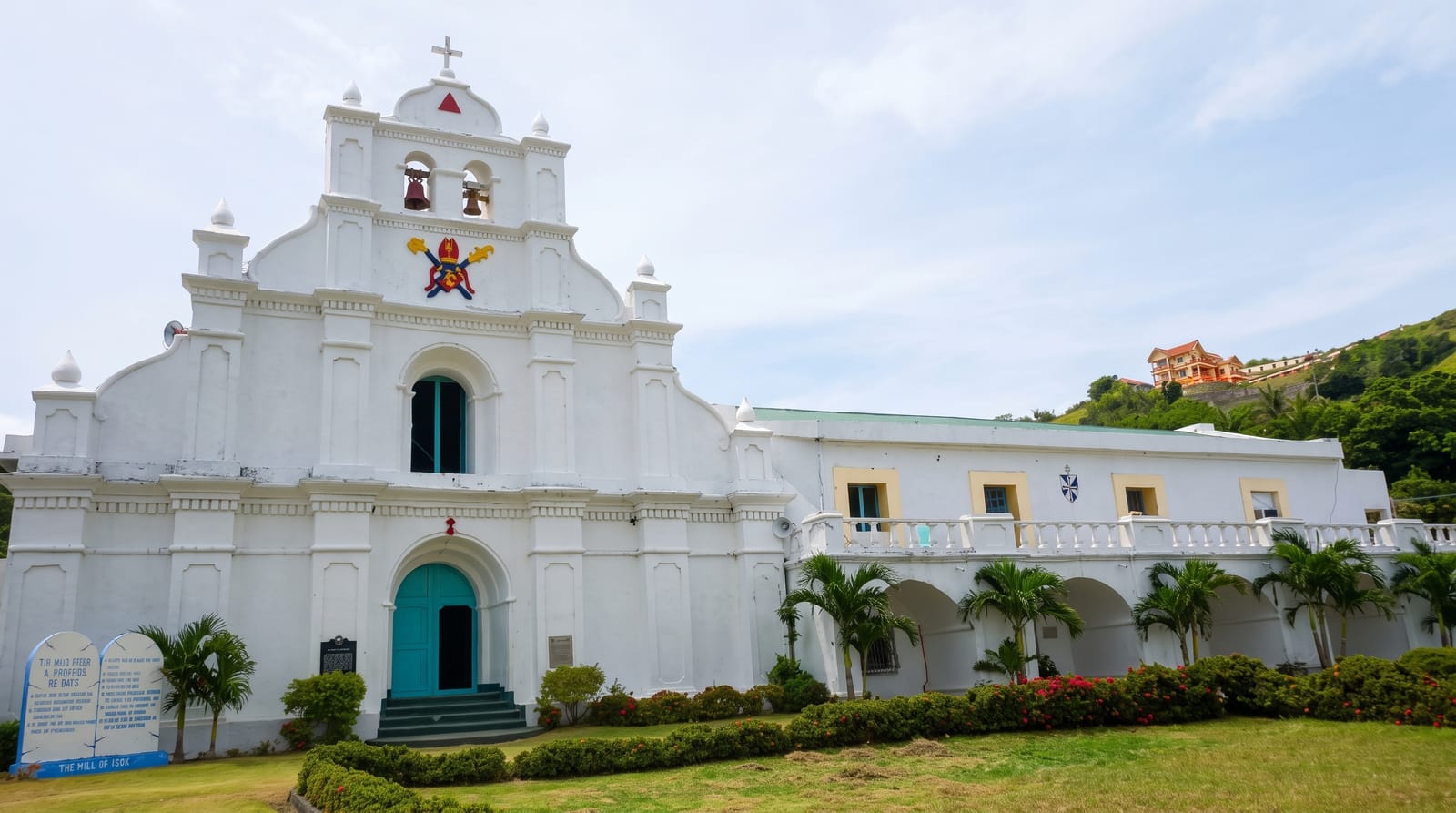
The House of Dakay at Ivana dates from 1887 and is described as the oldest Ivatan stone house still standing, one of the few in Batanes to survive the earthquake of 1918 that flattened much of the island group. It is a single-storey building of lime-and-stone walls close to a metre thick, with a cogon thatch roof lashed down against typhoons, small windows and a low door - the vernacular that developed here over centuries of storms and which is now protected, with the surrounding houses in the same idiom. It is still a private home rather than a museum: the family who own it welcome visitors at the door in exchange for a donation, and the interior is a lived-in room, not a display. That is the point of the visit, and it asks for the manners you would use entering anyone's house. Ivana also has the San José church and the old Honesty Coffee Shop, an unstaffed store where customers pay into a box.
The main sights
- The thatched roof - cogon lashed against the wind.
- The metre-thick walls - lime and stone Ivatan construction.
- The lived-in interior - a home, not a museum room.
- The Ivana streets - neighbouring houses in the same style.
When to go
March to June for settled weather. Daytime, and preferably not at meal times - this is a household, and visits depend on the family being willing.
Things to know
It is a private home. There is no ticket desk, no interpretation and no guarantee of entry; a donation is expected and photographs should be asked for. The visit takes twenty minutes.
Nearby
Ivana church and the Honesty Coffee Shop are in the same town; the Tayid lighthouse and Racuh a Payaman are north.
What to pack for House of Dakay
Chosen from what this place is for. Tap a kit for the full checklist.
- Comfortable walking shoes - Sightseeing means kilometres of pavement and cobbles daily. Find on Amazon
- A slim anti-theft daypack - Zips that close properly; keep it in front in crowds and on transit. Find on Amazon
- A refillable water bottle - Many cities have public fountains; save money and plastic. Find on Amazon
- A light layer + compact umbrella - For museum air-con and a sudden shower. Find on Amazon
Some links on this page are Amazon affiliate links - if you buy through them we may earn a small commission at no extra cost to you.
All packing kitsPlan your trip
Where to start if House of Dakay is going on the list.
Booking links on this page are affiliate links - if you book through them we may earn a small commission at no extra cost to you. It never changes what we write about a place.
Opening times, ticket prices and seasonal closures change - check the official source before you go: official site.