Torre Torre
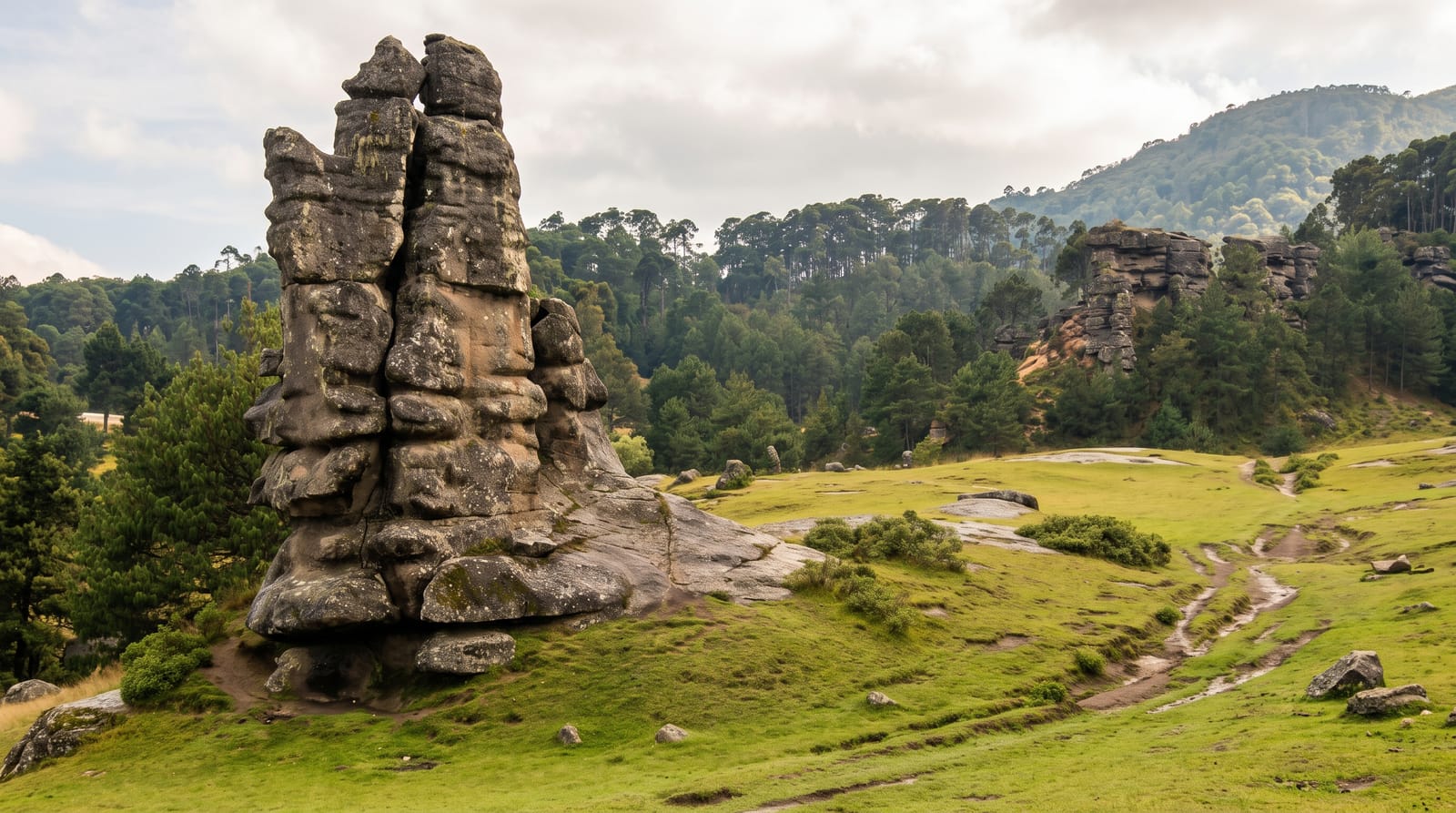
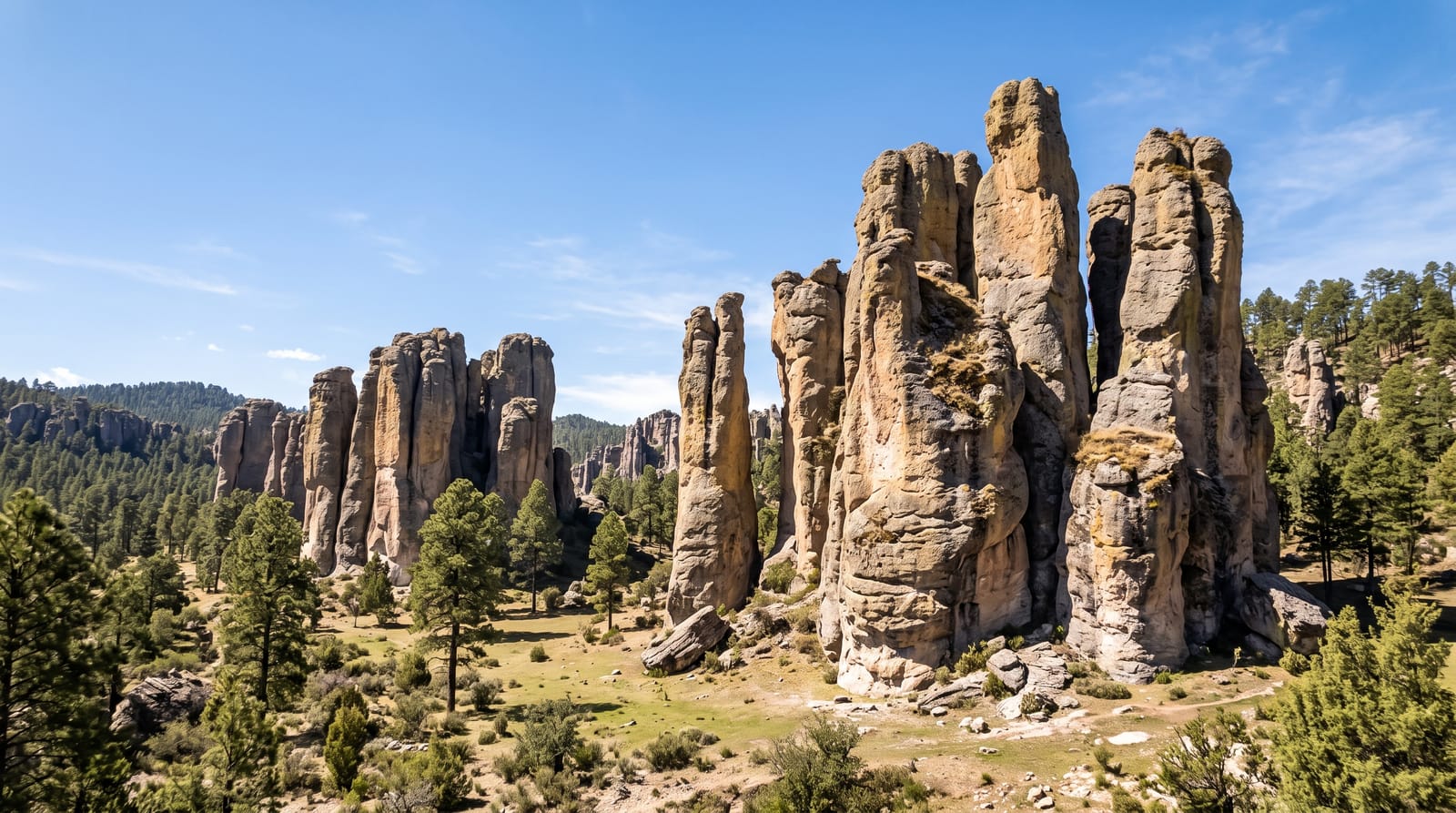
Red earth pinnacles eroded into towers on the hillside above Huancayo, a half-hour walk from the city.
Updated 28 August 2026
Torre Torre sits on the slope directly above Huancayo, past the Cerrito de la Libertad, where a bed of soft red clay and gravel has been cut by rain into a field of freestanding pinnacles - some fifteen or twenty metres tall, capped by harder stones that protected the column beneath from erosion, the same mechanism that makes hoodoos and earth pyramids elsewhere. The name simply means tower tower, doubled in the Quechua manner for emphasis. It is a short walk or a cheap taxi from the centre, which makes it the standard afternoon outing in Huancayo, and paths run between and around the columns with the whole Mantaro valley below. The formation is soft and actively eroding; climbing on the towers damages them and is unsafe. The hillside is otherwise dry grassland with eucalyptus, and there is little shade.
Highlights
- The towers - red clay pinnacles up to fifteen or twenty metres, capped by hard stones.
- The erosion - the same capstone mechanism that forms hoodoos elsewhere.
- The valley view - Huancayo and the Mantaro valley spread out below.
- The name - Quechua doubling, tower tower, for emphasis.
When to go
May to September when the ground is dry; the clay turns to slick mud in the rains. Late afternoon for light. Two to three hours including the walk from the city.
What to expect
The material is soft and crumbling - do not climb on the columns. Little shade and strong sun at 3,300 metres. The approach passes through outlying neighbourhoods; go in daylight and in company. Litter is a persistent problem on the site.
Nearby
The Cerrito de la Libertad is on the way up; central Huancayo is below.
Key facts
Source: Wikidata, item Q5863908, read on 18 October 2026.
What to pack for Torre Torre
Chosen from what this place is for. Tap a kit for the full checklist.
- Broken-in walking shoes or boots - Grip and ankle support matter more than looks; never hike in brand-new boots. Find on Amazon
- Binoculars - The single best wildlife tool - even a compact pair transforms a sighting. Find on Amazon
- Layers for big temperature swings - Warm sun by day, near-freezing at night, even near the equator. Find on Amazon
- Layers + a waterproof shell - Mountain weather turns fast; a packable rain jacket saves the day. Find on Amazon
Some links on this page are Amazon affiliate links - if you buy through them we may earn a small commission at no extra cost to you.
All packing kitsPlan your trip
Where to start if Torre Torre is going on the list.
Booking links on this page are affiliate links - if you book through them we may earn a small commission at no extra cost to you. It never changes what we write about a place.
Opening times, ticket prices and seasonal closures change - check the official source before you go: official site.