Tari Basin
A highland basin in Hela Province, home of the Huli, whose men wear wigs of their own hair decorated with feathers.
Updated 1 September 2026
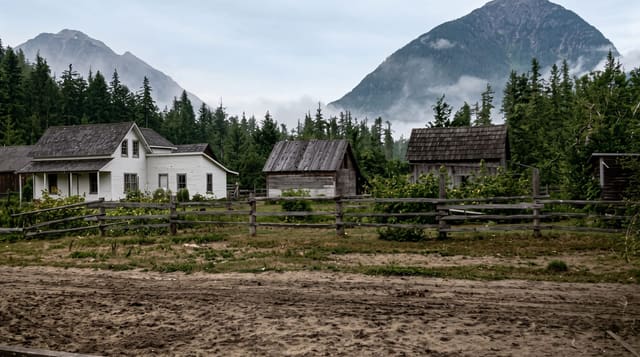
The Tari basin lies at around 1,600 metres in Hela Province, a densely settled valley of gardens divided by ditches and hedges, and it is the homeland of the Huli, one of the largest groups in the highlands. The tradition the Huli are known for is the wig: young men enter a period of seclusion in wig schools where they grow their hair under strict rules and it is cut and worked into ceremonial wigs, decorated with everlasting flowers, feathers and cuscus fur, worn with painted faces at ceremonies. Compounds, gardens and pig husbandry structure the landscape. The forest above the valley holds birds-of-paradise, and lodges in the area combine cultural visits with birding.
The main sights
- Huli wigmen - the ceremonial wigs, face paint and dress.
- Wig schools - the seclusion houses where hair is grown and worked.
- The garden landscape - the ditched and hedged compounds of the basin.
- Birds-of-paradise - the species in the forest above the valley.
When to go
May to October in the drier season for the roads and the birding; the highlands are wet year round. Ceremonies are arranged through lodges and guides rather than encountered by chance.
Things to know
Wig displays for visitors are arranged performances rather than spontaneous ceremony, which the hosts are generally open about. Access is by air; road travel in the province is difficult and is best arranged locally. Lodges are few and expensive. Rain is likely on most days.
Nearby
Ambua falls lie above the basin; Lake Kutubu is southeast.
Key facts
Source: Wikidata, item Q14236220, read on 18 October 2026.
What to pack for Tari Basin
Chosen from what this place is for. Tap a kit for the full checklist.
- Comfortable walking shoes - Sightseeing means kilometres of pavement and cobbles daily. Find on Amazon
- A slim anti-theft daypack - Zips that close properly; keep it in front in crowds and on transit. Find on Amazon
- A refillable water bottle - Many cities have public fountains; save money and plastic. Find on Amazon
- A light layer + compact umbrella - For museum air-con and a sudden shower. Find on Amazon
Some links on this page are Amazon affiliate links - if you buy through them we may earn a small commission at no extra cost to you.
All packing kitsPlan your trip
Where to start if Tari Basin is going on the list.
Booking links on this page are affiliate links - if you book through them we may earn a small commission at no extra cost to you. It never changes what we write about a place.
Opening times, ticket prices and seasonal closures change - check the official source before you go: official site.