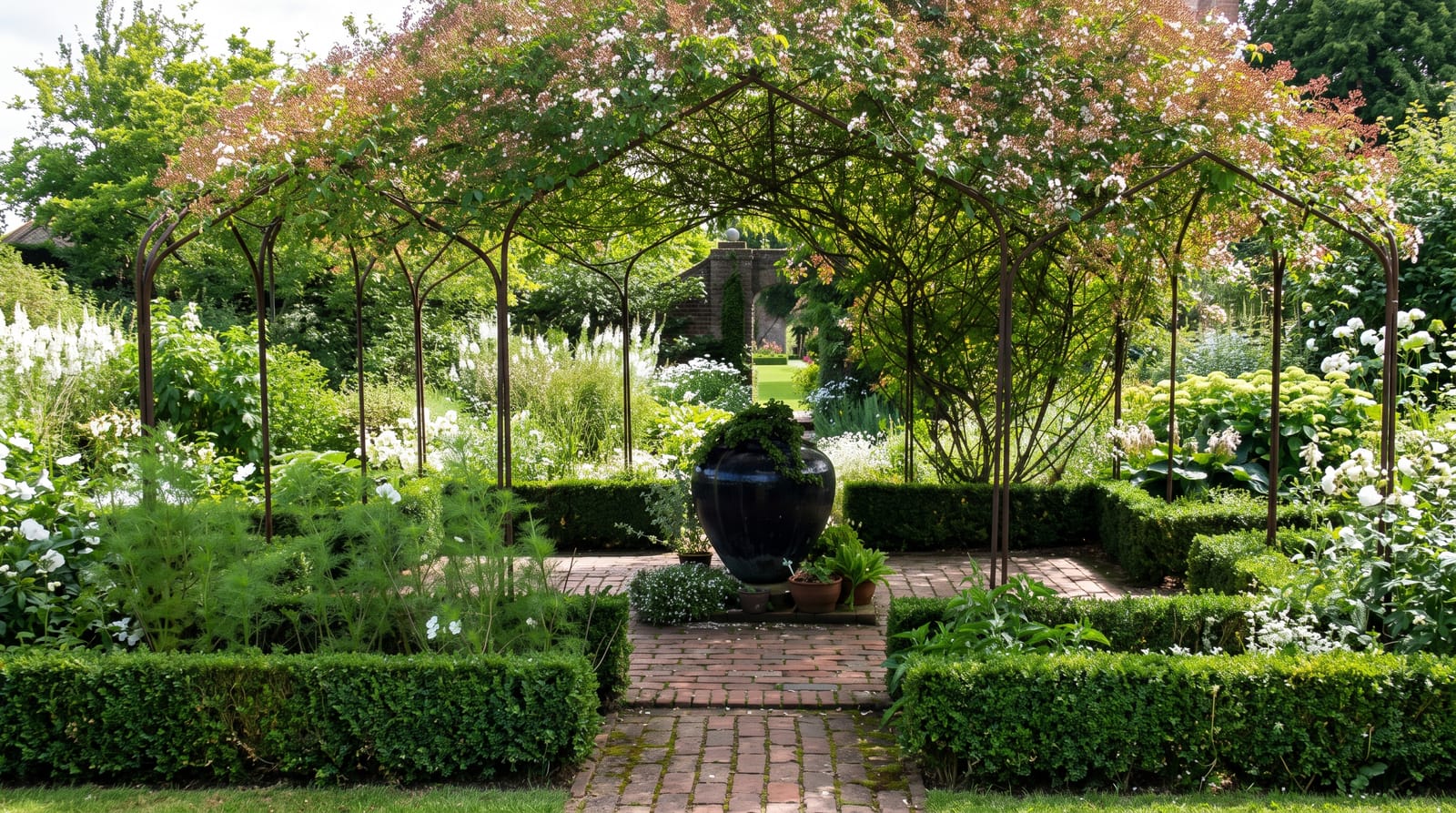
Wah Mughal Gardens
A faded Mughal garden of pools, channels and plane trees where emperors camped on the road between Lahore and Kabul.
Updated 21 October 2026
The gardens at Wah were laid out in the sixteenth and seventeenth centuries as a resting place for the Mughal court on the road between Lahore, Attock and Kabul, taking advantage of springs that still feed the site. Akbar is associated with the earliest works and Jahangir and Shah Jahan with later building, and the remains include water tanks, channels, terraces, pavilion foundations and a baradari, all shaded by old plane and mango trees. The name is said to come from an exclamation of delight at the place, though that story attaches to several Mughal sites. Restoration has been partial and the gardens have spent long periods neglected, so what a visitor finds is atmospheric rather than immaculate: clear spring water still running in the channels, worn brick and stone, and the surrounding town pressing close on all sides.
History
Raja Man Singh, posted here from 1581 to 1586, built a pond with a twelve-door pavilion; Jahangir stayed on 29 April 1607, fished in the pond and renamed the village, until then Jalal Sar, as Wah. Shah Jahan ordered the buildings rebuilt in 1639 under the architect Ustad Ahmad Lahori and stayed here in 1646, 1647, 1649 and 1654, Aurangzeb came in July 1676, and in 1865 the gardens were handed to Nawab Muhammad Hayat Khan (Wikipedia, Wah Gardens).
The main sights
- The water channels - spring-fed conduits still running through the site.
- Tanks and terraces - Mughal-period pools and platforms.
- The baradari - the surviving garden pavilion.
- Old trees - plane and mango shading the enclosure.
When to go
October to March; the gardens are pleasant in spring, and summer is hot despite the shade. Weekdays are quiet, weekends bring local families. Mornings are best for photographs before the light flattens.
Practical notes
The gardens are only partly restored and much of the Mughal fabric has gone; expect fragments rather than a complete design. Maintenance is uneven and litter is common. Interpretation is minimal. The urban surroundings intrude, and the site is small enough for an hour.
Nearby
Gurdwara Panja Sahib is minutes away; Taxila lies southeast.
Key facts
Source: Wikidata, item Q3763824, read on 18 October 2026.
What to pack for Wah Mughal Gardens
Chosen from what this place is for. Tap a kit for the full checklist.
- Comfortable walking shoes - Sightseeing means kilometres of pavement and cobbles daily. Find on Amazon
- A slim anti-theft daypack - Zips that close properly; keep it in front in crowds and on transit. Find on Amazon
- A refillable water bottle - Many cities have public fountains; save money and plastic. Find on Amazon
- A light layer + compact umbrella - For museum air-con and a sudden shower. Find on Amazon
Some links on this page are Amazon affiliate links - if you buy through them we may earn a small commission at no extra cost to you.
All packing kitsPlan your trip
Where to start if Wah Mughal Gardens is going on the list.
Booking links on this page are affiliate links - if you book through them we may earn a small commission at no extra cost to you. It never changes what we write about a place.
Opening times, ticket prices and seasonal closures change - check the official source before you go: official site.