Snohetta
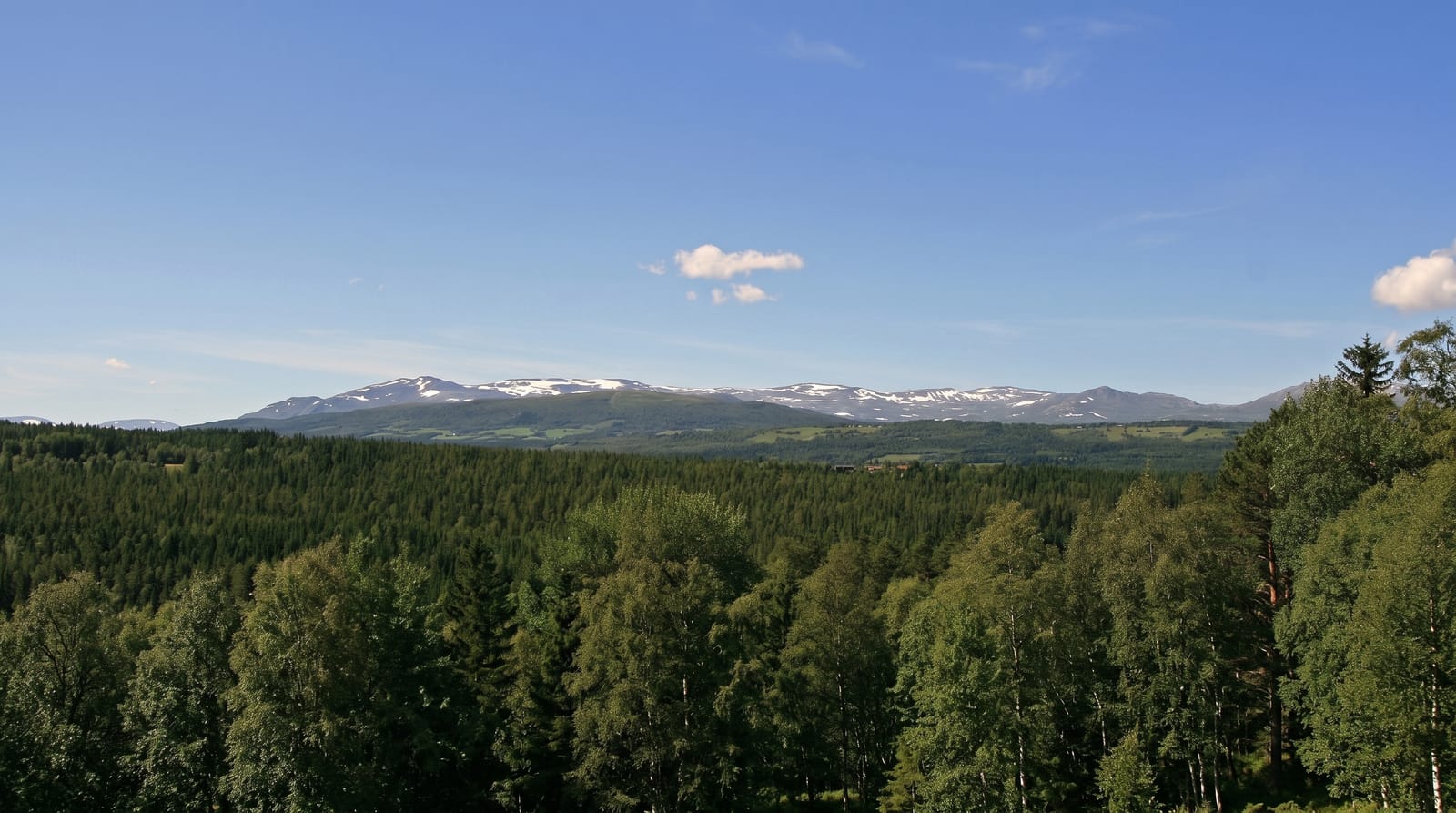
A 2,286-metre peak dominating the Dovrefjell plateau, in country where wild musk ox still graze.
Updated 21 October 2026

AI illustration
Snohetta rises to 2,286 metres from the Dovrefjell plateau and was the highest known mountain in Norway until Jotunheimen was properly surveyed in the nineteenth century. The plateau around it holds some of Europe's last wild mountain reindeer herds and a population of musk ox, reintroduced from Greenland in the twentieth century after the native animals died out, which now numbers a couple of hundred and can be seen on organised safaris. The ascent from the Snoheim lodge is a long but non-technical walk of about eight hours return, with a scree summit and, on a clear day, a view claimed to reach a sixth of Norway. Nearby stands Viewpoint Snohetta, an award-winning timber and glass shelter facing the peak.
History
Snøhetta was first visited in 1798 on a scientific trip, and it was then taken to be the highest summit in Norway, since it stands in sight of the old Oslo-Trondheim route across Dovrefjell while the higher Jotunheimen peaks were little known. The name joins snø, "snow", with hette, "hood" (Wikipedia, Snøhetta).
The landscape
- The summit view - a vast plateau panorama from 2,286 metres.
- The musk ox - reintroduced herds grazing the Dovrefjell plateau.
- Viewpoint Snohetta - a timber and glass observation building facing the mountain.
- Snoheim lodge - a mountain hut at the start of the climb.
When to go
July to September for the ascent, when the shuttle runs and the route is clear; the peak holds snow year-round in patches. Musk ox safaris operate through summer. Weather at 2,000 metres turns fast in any month.
Things to know
The walk is long, exposed and largely on scree, with no shelter above the lodge. Musk ox are dangerous and must be kept at least two hundred metres away; people have been injured approaching them. The shuttle sets the day's timing and the last departure is firm.
Nearby
Dovrefjell-Sunndalsfjella National Park surrounds the peak; Hjerkinn, Dombas and Oppdal are the road bases.
Key facts
Source: Wikidata, item Q979569, read on 18 October 2026.
What to pack for Snohetta
Chosen from what this place is for. Tap a kit for the full checklist.
- Broken-in walking shoes or boots - Grip and ankle support matter more than looks; never hike in brand-new boots. Find on Amazon
- Binoculars - The single best wildlife tool - even a compact pair transforms a sighting. Find on Amazon
- Warm base layers - Merino or synthetic against the skin - never cotton, which chills when damp. Find on Amazon
- Layers for big temperature swings - Warm sun by day, near-freezing at night, even near the equator. Find on Amazon
Some links on this page are Amazon affiliate links - if you buy through them we may earn a small commission at no extra cost to you.
All packing kitsPlan your trip
Where to start if Snohetta is going on the list.
Booking links on this page are affiliate links - if you book through them we may earn a small commission at no extra cost to you. It never changes what we write about a place.
Opening times, ticket prices and seasonal closures change - check the official source before you go: official site.