Skrei Season
The winter arrival of migrating Arctic cod off Lofoten, fished since the Viking age and eaten with liver and roe.
Updated 4 September 2026
AI illustration
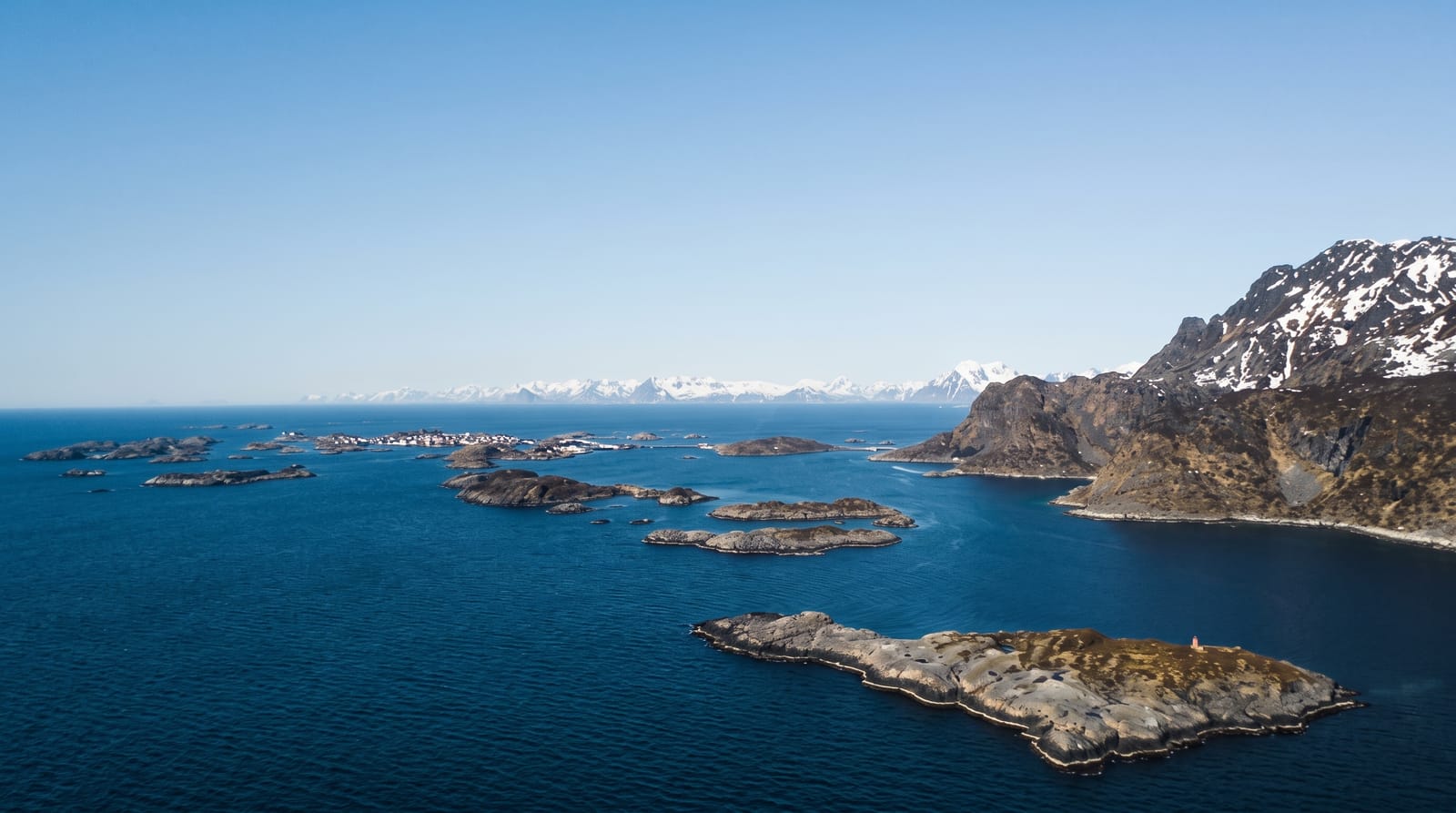
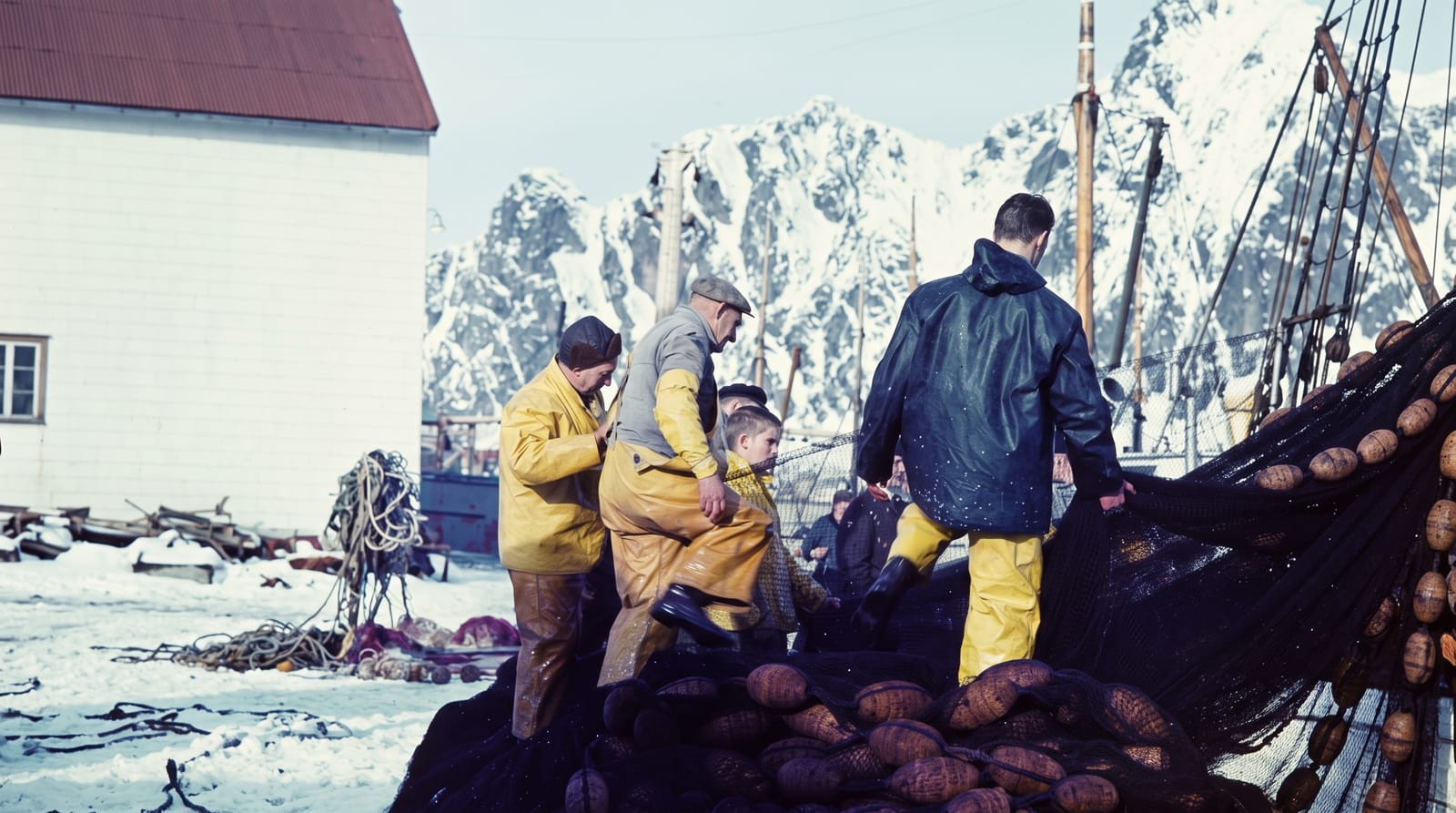
Skrei is Atlantic cod that has spent years feeding in the Barents Sea and returns to spawn along the northern Norwegian coast, arriving off Lofoten from January into April; the swim makes the fish lean and firm, quite different in texture from coastal cod. The fishery is the oldest continuous economic activity in Norway, the basis of the stockfish trade to Europe from the Viking age onward, and the racks along the Lofoten shores fill through the same months. The traditional plate, skrei molje, is poached cod with its liver and roe, potatoes and flatbread, eaten during the season and rarely outside it. A quality mark identifies fish caught and handled to standard.
What's there
- The drying racks - Lofoten shores hung with split cod through the season.
- The molje plate - poached skrei with liver, roe and potato.
- The fishing fleet - boats working the spawning grounds in winter.
- The quality mark - a label identifying properly handled skrei.
When to go
January to April, the migration season, with February and March the peak; the World Cod Fishing Championship is held at Svolvaer in March. Outside the season the fish is not available fresh.
Before you go
The liver and roe are the part that divides visitors, and molje is a strong plate for anyone unused to offal. Winter in Lofoten is dark, wet and windy, and fishing trips are cancelled frequently. Fresh skrei is genuinely seasonal and absent the rest of the year.
Nearby
Svolvaer, Henningsvaer and the Lofoten fishing villages are the centre of the season.
What to pack for Skrei Season
Chosen from what this place is for. Tap a kit for the full checklist.
- Travel rod + reel - A packable multi-piece rod fits in a case and covers most holiday fishing. Find on Amazon
- A reusable bag or container - For market produce and cutting down on packaging. Find on Amazon
- Warm base layers - Merino or synthetic against the skin - never cotton, which chills when damp. Find on Amazon
- A small tackle selection - Hooks, weights, line and a few lures or flies suited to local waters. Find on Amazon
Some links on this page are Amazon affiliate links - if you buy through them we may earn a small commission at no extra cost to you.
All packing kitsPlan your trip
Where to start if Skrei Season is going on the list.
Booking links on this page are affiliate links - if you book through them we may earn a small commission at no extra cost to you. It never changes what we write about a place.
Opening times, ticket prices and seasonal closures change - check the official source before you go: official site.