Rjukan and Vemork
A hydro-electric company town and its power station in a deep Telemark gorge, listed by UNESCO as industrial heritage.
Updated 11 August 2026
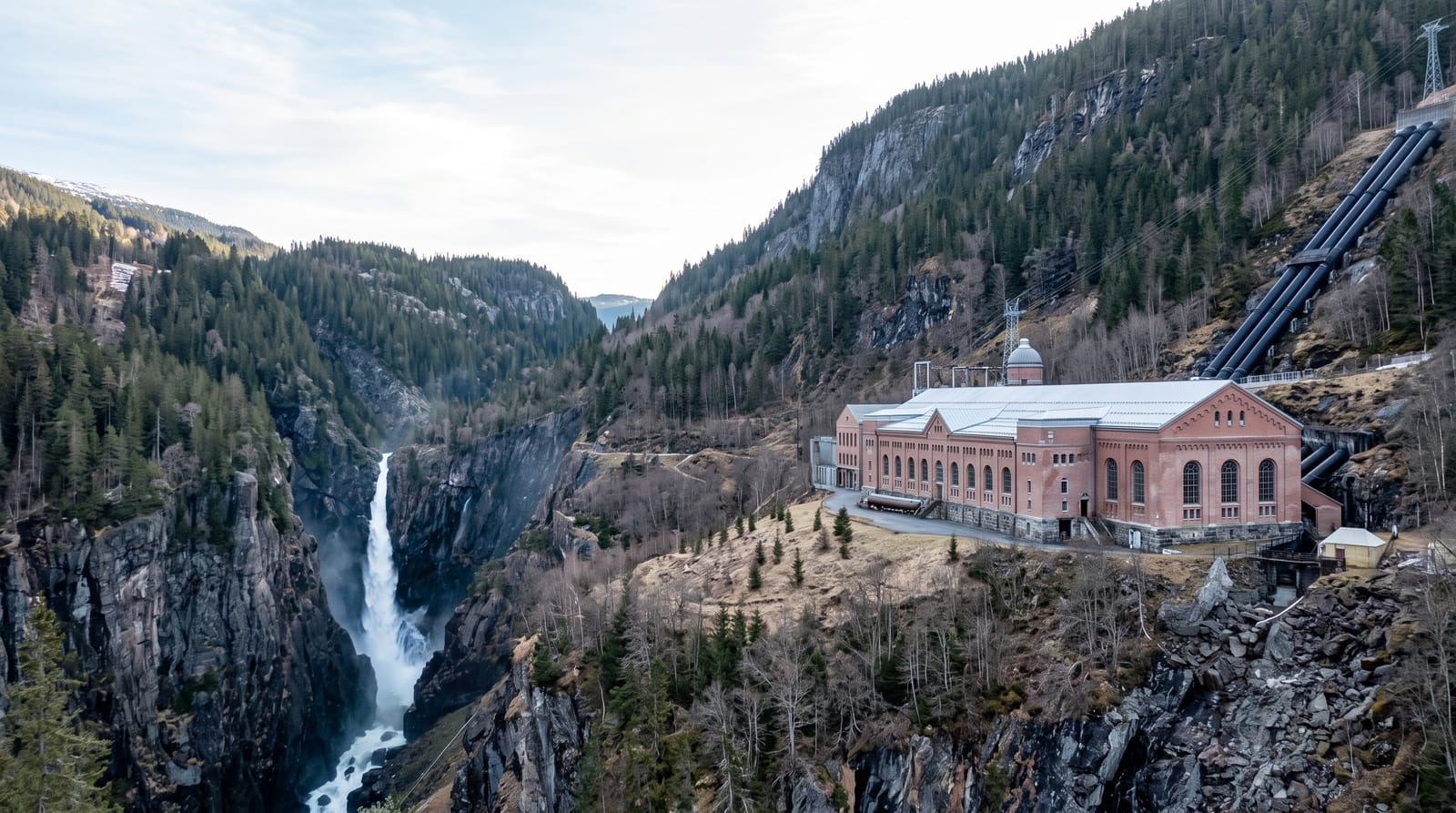
AI illustration
UNESCO World Heritage
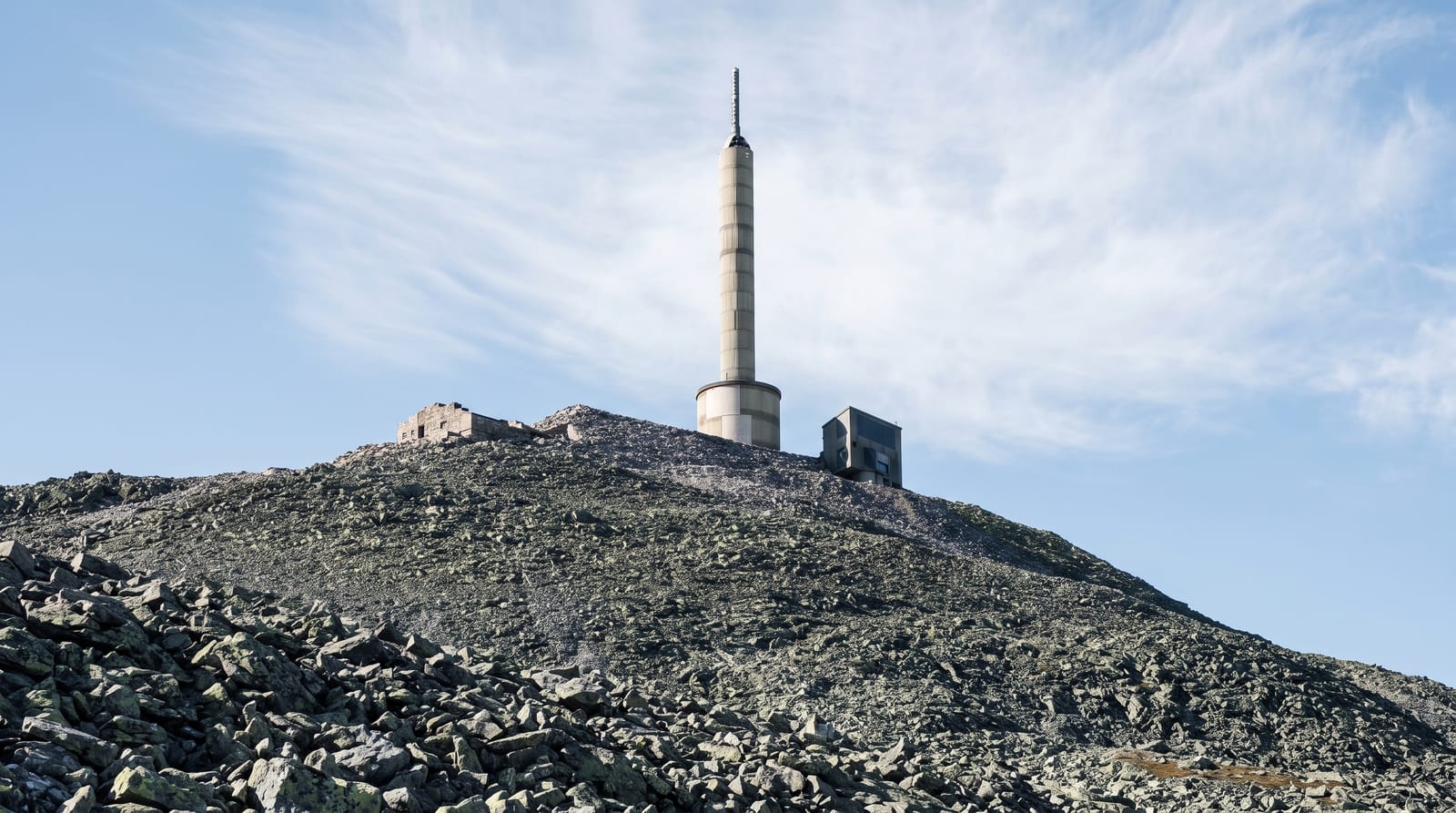
Rjukan grew in a deep Telemark gorge around one of the world's boldest hydro-electric and chemical projects, harnessing a giant waterfall to make fertiliser, and later heavy water. The Vemork plant later produced heavy water, and the 1943 sabotage of that production is the episode the museum is best known for. The whole landscape - dam, penstocks, power station, workers town and transport line - carries the UNESCO listing.
The main sights
- The Vemork plant - the heavy-water plant and museum of the wartime sabotage.
- The gorge and waterfall - the deep valley and the harnessed Rjukanfossen.
- The company town - Rjukan's planned workers' town in the gorge.
- The Krossobanen - the old cable car built to give sunless townsfolk a glimpse of the sun.
When to go
The snow-free months for the museum, the gorge and walking; winter is dark and the town famously sunless, though the mirror on the hill throws sunlight into the square. Check museum hours.
Practical notes
It is an industrial-heritage and wartime-history site more than a scenic one, so its power is the story and the setting rather than beauty alone. The town sits in a deep, sunless gorge, which is atmospheric but grey. It is a detour into Telemark, rewarding for those drawn to the history.
Nearby
The Hardangervidda plateau rises above; the Heddal stave church is within reach.
What to pack for Rjukan and Vemork
Chosen from what this place is for. Tap a kit for the full checklist.
- Warm base layers - Merino or synthetic against the skin - never cotton, which chills when damp. Find on Amazon
- Comfortable walking shoes - Sightseeing means kilometres of pavement and cobbles daily. Find on Amazon
- An insulated + windproof jacket - A down or synthetic layer under a hard shell handles most cold. Find on Amazon
- A slim anti-theft daypack - Zips that close properly; keep it in front in crowds and on transit. Find on Amazon
Some links on this page are Amazon affiliate links - if you buy through them we may earn a small commission at no extra cost to you.
All packing kitsPlan your trip
Where to start if Rjukan and Vemork is going on the list.
Booking links on this page are affiliate links - if you book through them we may earn a small commission at no extra cost to you. It never changes what we write about a place.
Opening times, ticket prices and seasonal closures change - check the official source before you go: official site.