Munkholmen
An islet in Trondheim harbour that has been an execution site, a monastery, a prison and a fort, now a summer bathing spot.
Updated 21 October 2026

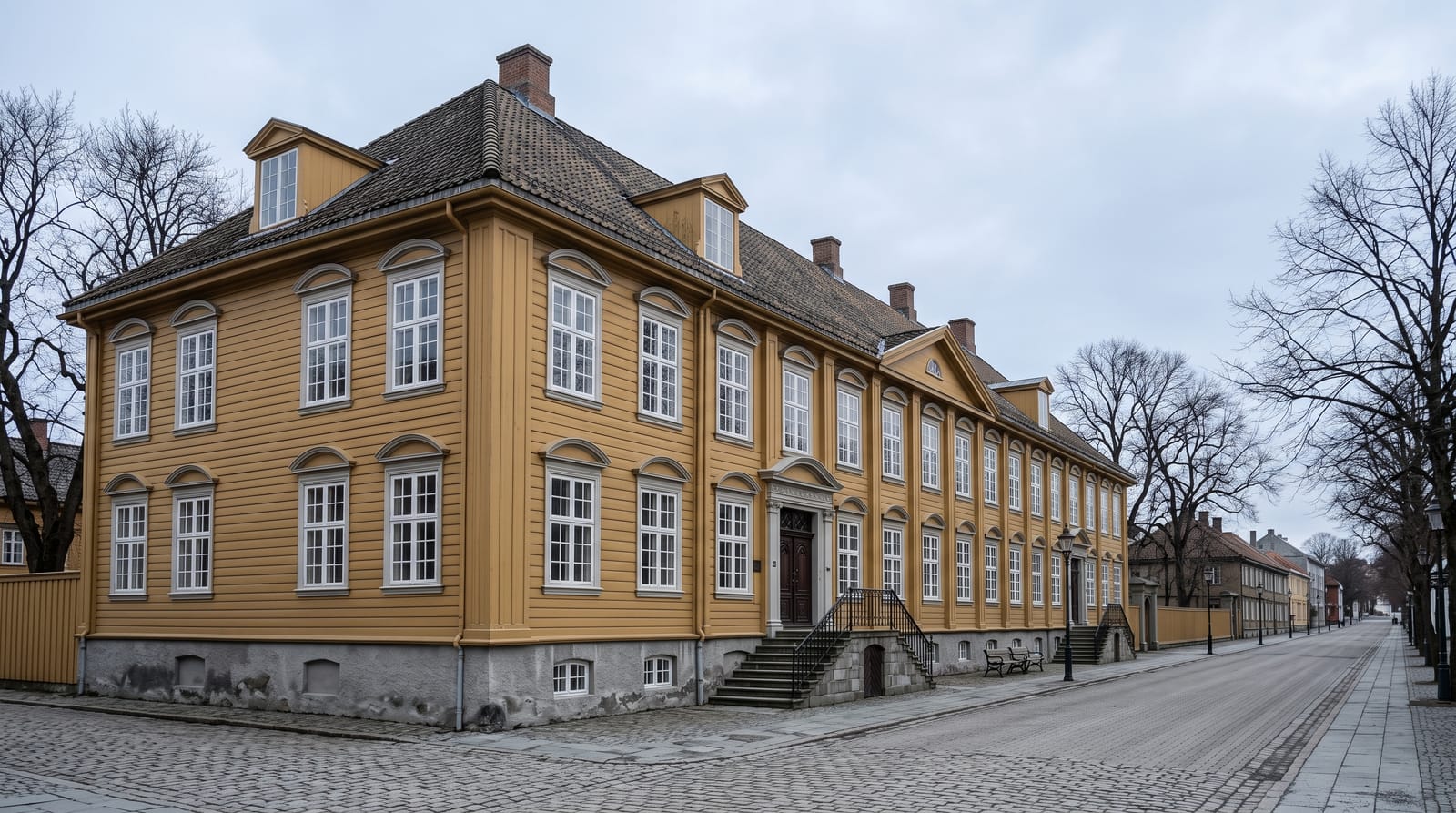
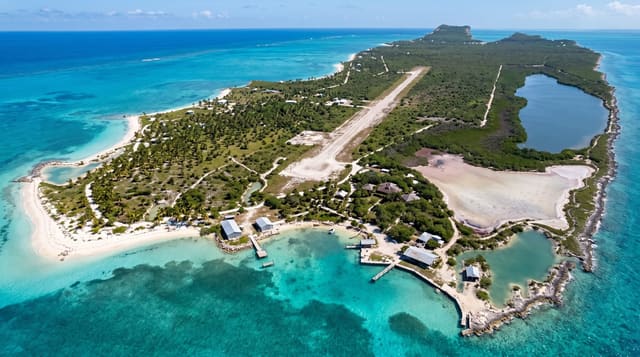
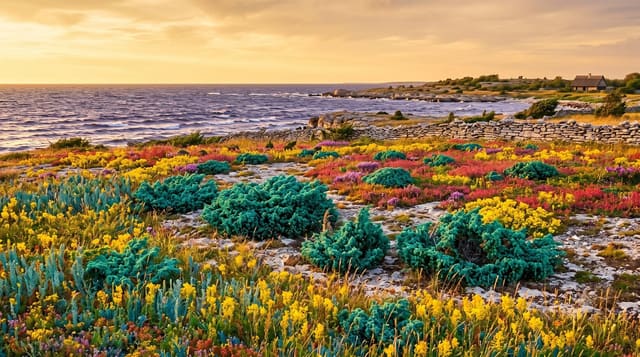
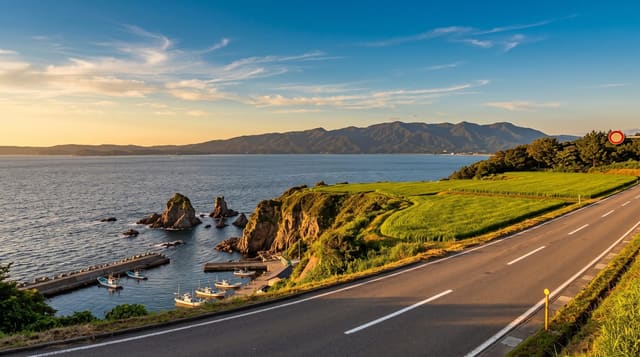
AI illustration
Munkholmen has served almost every purpose a small island can. In the Viking period it was a place of execution, and the head of Earl Haakon is said to have been displayed here. A Benedictine monastery was founded on it either in 1028, by King Canute, or around 1100, one of the earliest in Scandinavia, and it lasted until the Reformation. It then became a fortress and a state prison, holding among others Peder Griffenfeld, the Danish chancellor, for eighteen years from 1680. It was used militarily into the twentieth century. Today it is a summer excursion: a boat from the fish market quay, a small beach, a cafe, guided tours of the fortress buildings and a view back to the city and the fjord.
History
Before King Olav Tryggvason founded Trondheim in 997, the Jarls of Lade used the islet as a place of execution. Nidarholm Abbey, a Benedictine house, was founded here either in 1028 by King Canute or around 1100, and suffered fire three times in the Middle Ages, the last in 1531 (Wikipedia, Nidarholm Abbey; Wikipedia, Munkholmen); a fort begun in 1658 was completed in 1661 and also served as a state prison, where Count Peder Griffenfeld spent 18 years (Wikipedia, Munkholmen).
Highlights
- The fortress buildings - the round fort and prison structures on the islet.
- The monastery traces - remains of the eleventh-century Benedictine house.
- The bathing spot - a small beach used by Trondheim in summer.
- The city view - Trondheim and the fjord from the water.
When to go
June to August, when the boat runs and the cafe is open; outside the season there is no public access. Warm weekends fill the small beach and the boats.
What to expect
Access is by seasonal boat only, with limited sailings and cancellations in poor weather. The island is small, seen in an hour or two, and facilities are basic. The historic buildings are partly closed and interpretation is limited outside guided tours.
Nearby
Trondheim's Ravnkloa fish market is the departure point; Nidaros Cathedral and Bakklandet are in the city.
Key facts
Source: Wikidata, item Q1229257, read on 18 October 2026.
What to pack for Munkholmen
Chosen from what this place is for. Tap a kit for the full checklist.
- Reef-safe sunscreen - High SPF that will not bleach the coral you are swimming over. Find on Amazon
- Modest clothing - Shoulders and knees covered - the single most common requirement. Find on Amazon
- Quick-dry towel - A microfibre towel packs small and dries in minutes. Find on Amazon
- A scarf or shawl - To cover the head or shoulders on entry; women especially at mosques. Find on Amazon
Some links on this page are Amazon affiliate links - if you buy through them we may earn a small commission at no extra cost to you.
All packing kitsPlan your trip
Where to start if Munkholmen is going on the list.
Booking links on this page are affiliate links - if you book through them we may earn a small commission at no extra cost to you. It never changes what we write about a place.
Opening times, ticket prices and seasonal closures change - check the official source before you go: official site.