Huk Beach
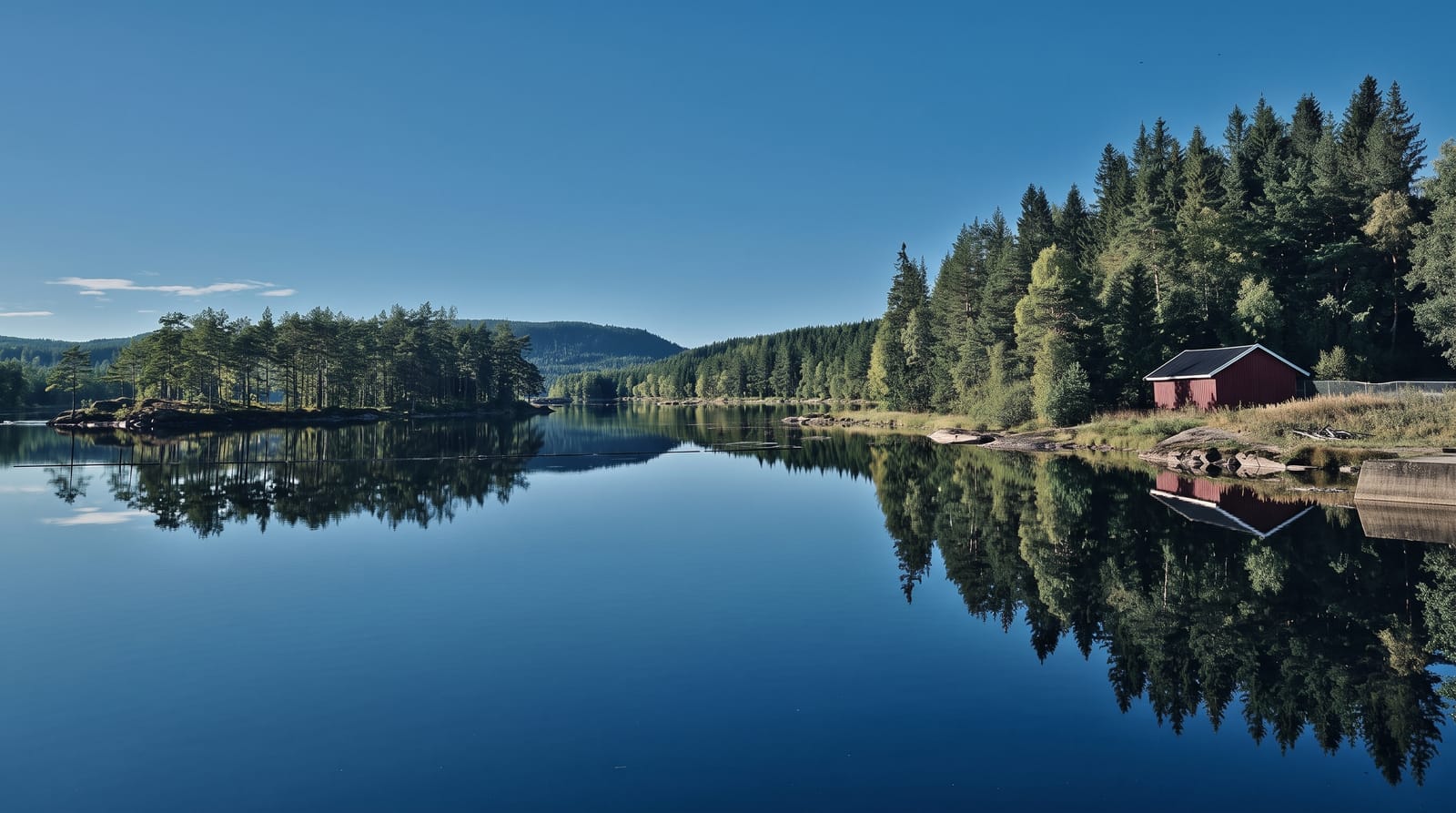
Oslo's main city beach at the tip of the Bygdoy peninsula, a mix of sand, smooth rock and grass facing the fjord.
Updated 4 September 2026

AI illustration
Huk occupies the southern tip of Bygdoy, twenty minutes from the centre by bus or ferry, and it is where Oslo swims: two small sandy bays, long stretches of the smooth glacier-polished rock that Norwegians prefer to lie on, and grass under oaks behind. The fjord water is clean and cold, warming to around eighteen degrees in a good July. A section on the western side is a long-established naturist beach, clearly signed and separated. There is a kiosk, a summer restaurant, volleyball and a large lawn, and the whole area is public. Around the corner, the smaller Paradisbukta bay is quieter, and the peninsula holds the Viking Ship, Fram and Kon-Tiki museums within walking distance.
The landscape
- The rock shelves - polished granite slabs used for sunbathing.
- The sandy bays - two small beaches on the point.
- The fjord view - open water toward Nesodden and the islands.
- The naturist section - a signed and separated area to the west.
When to go
Late June to mid-August, when the water is at its warmest and the ferry runs; May and September are fine for walking but cold for swimming. Warm weekends fill the beach and the bus completely.
Things to know
The water is cold by most standards even in August, and there are no lifeguards. Facilities are limited to a kiosk, a seasonal restaurant and basic toilets that struggle on busy days. Parking on Bygdoy is very restricted, so public transport is the practical option.
Nearby
The Fram, Kon-Tiki and Norwegian Maritime museums are on Bygdoy; Paradisbukta bay is a short walk north.
What to pack for Huk Beach
Chosen from what this place is for. Tap a kit for the full checklist.
- Reef-safe sunscreen - High SPF that will not bleach the coral you are swimming over. Find on Amazon
- Warm base layers - Merino or synthetic against the skin - never cotton, which chills when damp. Find on Amazon
- Quick-dry towel - A microfibre towel packs small and dries in minutes. Find on Amazon
- An insulated + windproof jacket - A down or synthetic layer under a hard shell handles most cold. Find on Amazon
Some links on this page are Amazon affiliate links - if you buy through them we may earn a small commission at no extra cost to you.
All packing kitsPlan your trip
Where to start if Huk Beach is going on the list.
Booking links on this page are affiliate links - if you book through them we may earn a small commission at no extra cost to you. It never changes what we write about a place.
Opening times, ticket prices and seasonal closures change - check the official source before you go: official site.