Gamle Strynefjellsvegen
A hand-built mountain road of the 1890s with dry-stone guard walls, still gravel and still open each summer.
Updated 4 September 2026

AI illustration
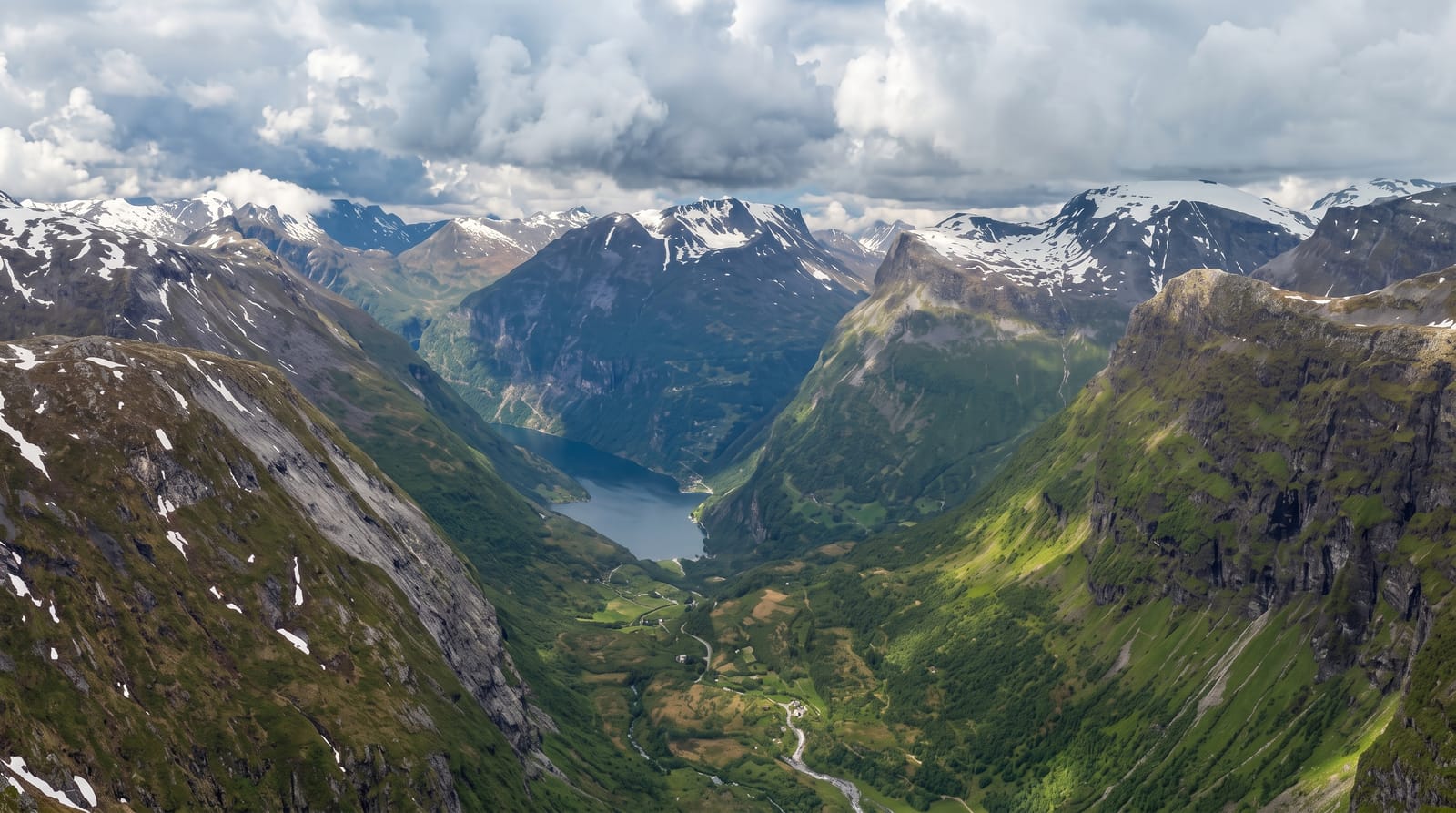
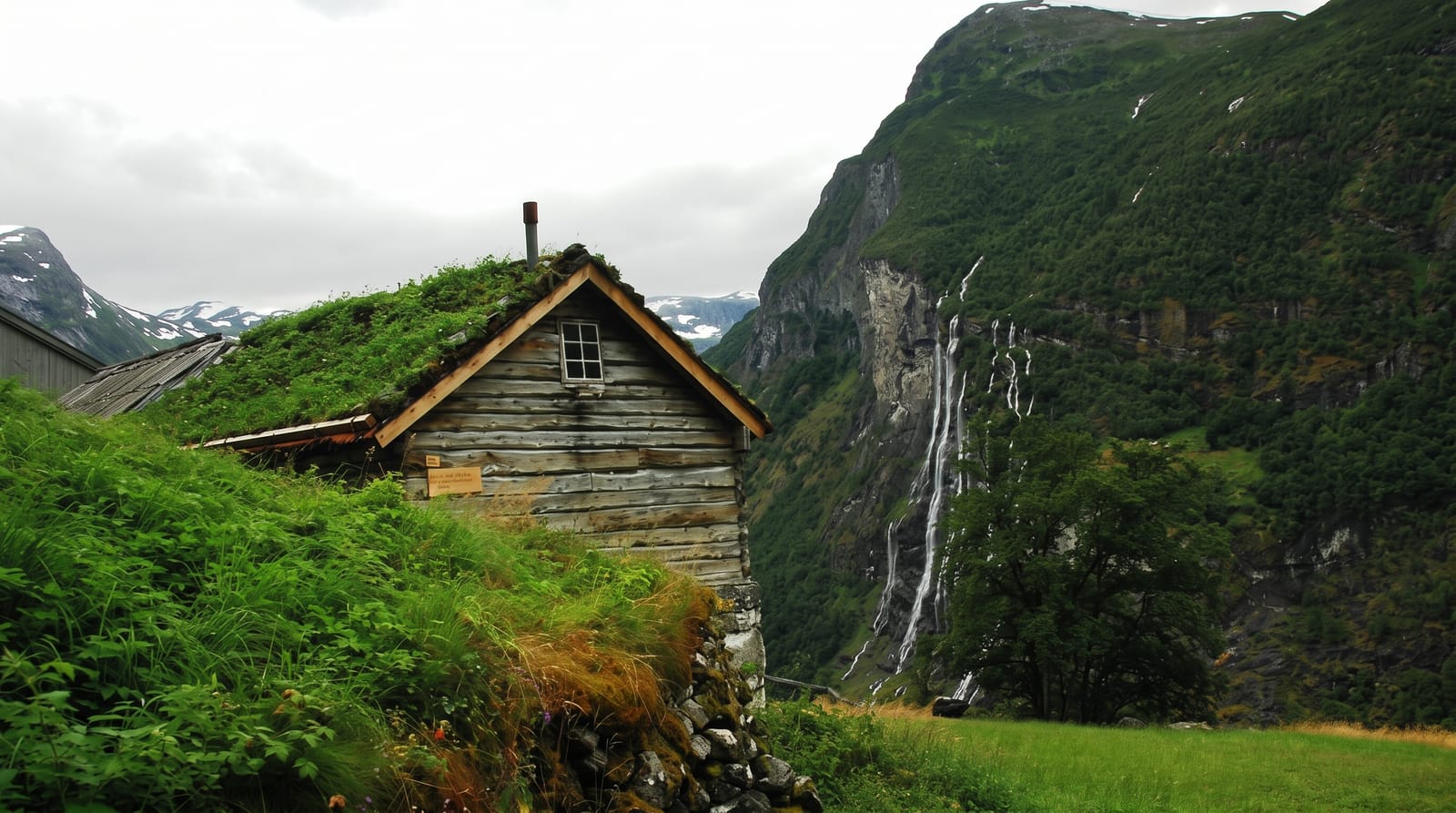
The old Strynefjell road was built between 1881 and 1894 by hand, with navvies cutting the line across a high bare plateau and building dry-stone retaining and guard walls that still carry it, and it opened at a time when the crossing had been made only on foot or horseback. It runs about twenty-seven kilometres between Grotli and Videsaeter, unsurfaced, narrow, and preserved as a national scenic route with its historic character intact rather than upgraded. The modern road runs alongside in tunnels, which is why the old line survives. The plateau it crosses is stark, with snow patches, lakes and views toward glaciers, and the Videdalen descent at the western end is steep with waterfalls.
What's there
- The dry-stone walls - hand-built guard and retaining walls from the 1890s.
- The gravel surface - the road kept unsurfaced as a historic monument.
- The bare plateau - snow patches, lakes and glacier views at the top.
- The Videdalen descent - a steep western drop past waterfalls.
When to go
June to September; the road opens when snow clearance allows, usually early June, and closes in autumn. Snow walls stand beside it early in the season. It is a slow drive, so allow more time than the distance suggests.
Good to know
The road is narrow gravel with passing places, unsuitable for caravans and large vehicles, and the surface is rough. There are no services on the crossing. Snowmelt and weather can close it at short notice even in summer.
Nearby
Stryn and the Nordfjord lie west; Grotli, Geiranger and the Dalsnibba road are east and north.
Key facts
Source: Wikidata, item Q1422796, read on 18 October 2026.
What to pack for Gamle Strynefjellsvegen
Chosen from what this place is for. Tap a kit for the full checklist.
- Warm base layers - Merino or synthetic against the skin - never cotton, which chills when damp. Find on Amazon
- Comfortable walking shoes - Sightseeing means kilometres of pavement and cobbles daily. Find on Amazon
- An insulated + windproof jacket - A down or synthetic layer under a hard shell handles most cold. Find on Amazon
- A slim anti-theft daypack - Zips that close properly; keep it in front in crowds and on transit. Find on Amazon
Some links on this page are Amazon affiliate links - if you buy through them we may earn a small commission at no extra cost to you.
All packing kitsPlan your trip
Where to start if Gamle Strynefjellsvegen is going on the list.
Booking links on this page are affiliate links - if you book through them we may earn a small commission at no extra cost to you. It never changes what we write about a place.
Opening times, ticket prices and seasonal closures change - check the official source before you go: official site.