Ciudad Antigua
A quiet seventeenth-century village in the northern hills with one of the oldest churches in Nicaragua.
Updated 31 August 2026
Ciudad Antigua was founded in the early seventeenth century when the settlers of Nueva Segovia moved inland after repeated raids up the Coco river, and it was for a time an important town of the northern mountains before decline left it a village of a few hundred people. What survives is the church of San Juan Bautista, among the oldest standing in the country, with a carved wooden altarpiece and colonial images inside, and a small museum of religious art in the adjoining building. The streets are unpaved and the setting is pine-covered hills. Very few visitors come, and access to the church and museum usually depends on finding the keyholder, which the village will help with.
What to look for
- The old church - one of Nicaragua's earliest surviving colonial churches.
- The carved altarpiece - colonial woodwork and religious images inside.
- The small museum - religious art kept beside the church.
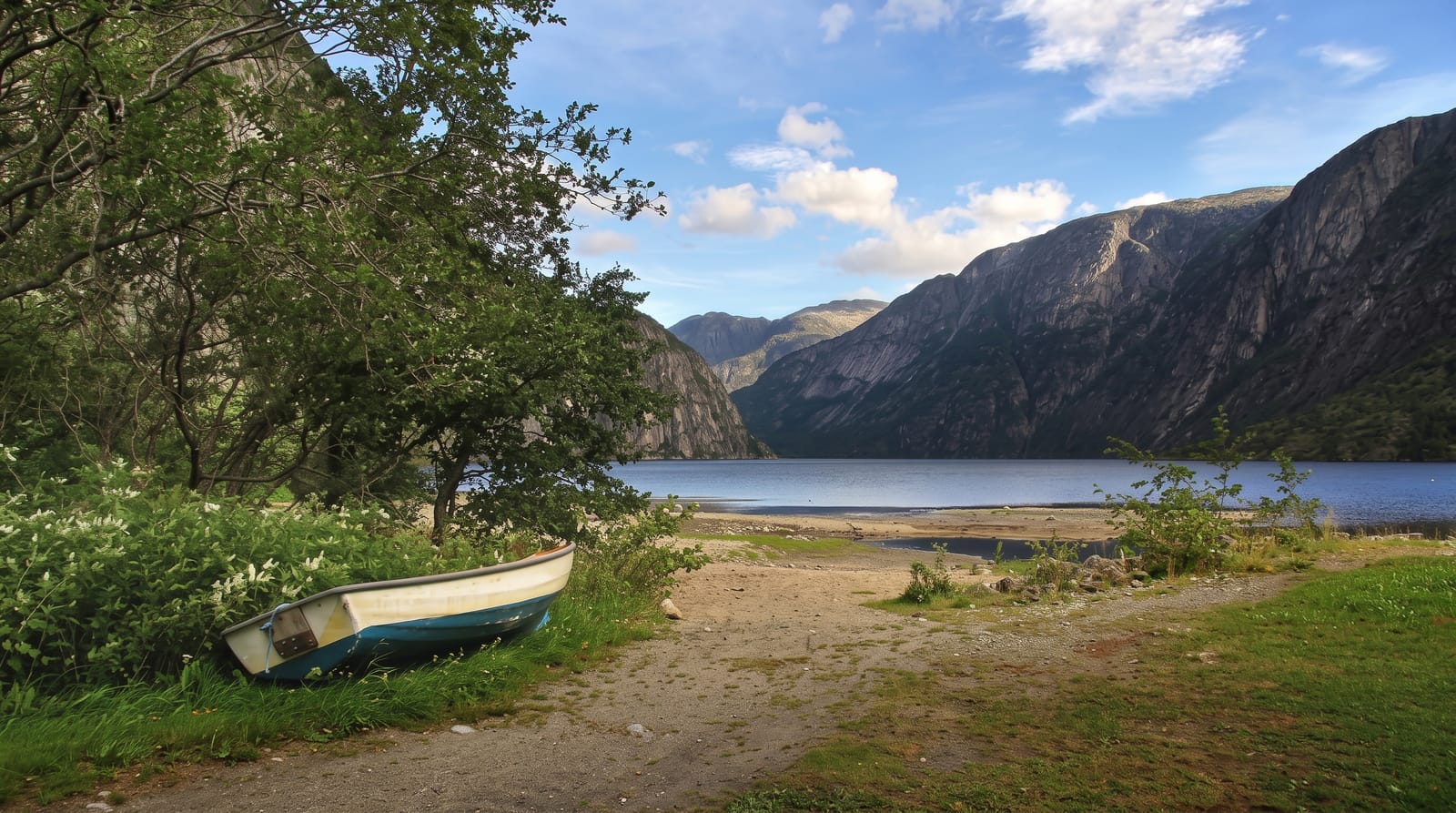
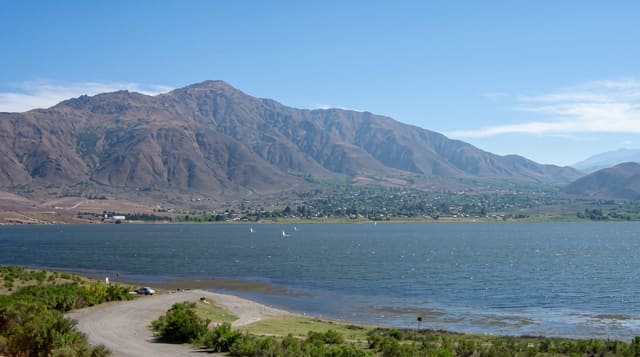
- The hill village - unpaved streets among pine-covered slopes.
When to go
December to April for the roads. The church is opened on request and for services; arriving on a Sunday morning is the surest way to find it open. Patron saint days bring the village to life.
Good to know
The church and museum are often locked and access depends on finding whoever holds the key. There are no facilities, no restaurant and no accommodation. The road in is rough. This is a half-day detour for people interested in colonial fabric, not a general sight.
Nearby
Ocotal lies west; Cerro Mogotón is north.
Key facts
Source: Wikidata, item Q2215588, read on 18 October 2026.
What to pack for Ciudad Antigua
Chosen from what this place is for. Tap a kit for the full checklist.
- Comfortable walking shoes - Sightseeing means kilometres of pavement and cobbles daily. Find on Amazon
- A slim anti-theft daypack - Zips that close properly; keep it in front in crowds and on transit. Find on Amazon
- A refillable water bottle - Many cities have public fountains; save money and plastic. Find on Amazon
- A light layer + compact umbrella - For museum air-con and a sudden shower. Find on Amazon
Some links on this page are Amazon affiliate links - if you buy through them we may earn a small commission at no extra cost to you.
All packing kitsPlan your trip
Where to start if Ciudad Antigua is going on the list.
Booking links on this page are affiliate links - if you book through them we may earn a small commission at no extra cost to you. It never changes what we write about a place.
Opening times, ticket prices and seasonal closures change - check the official source before you go: official site.