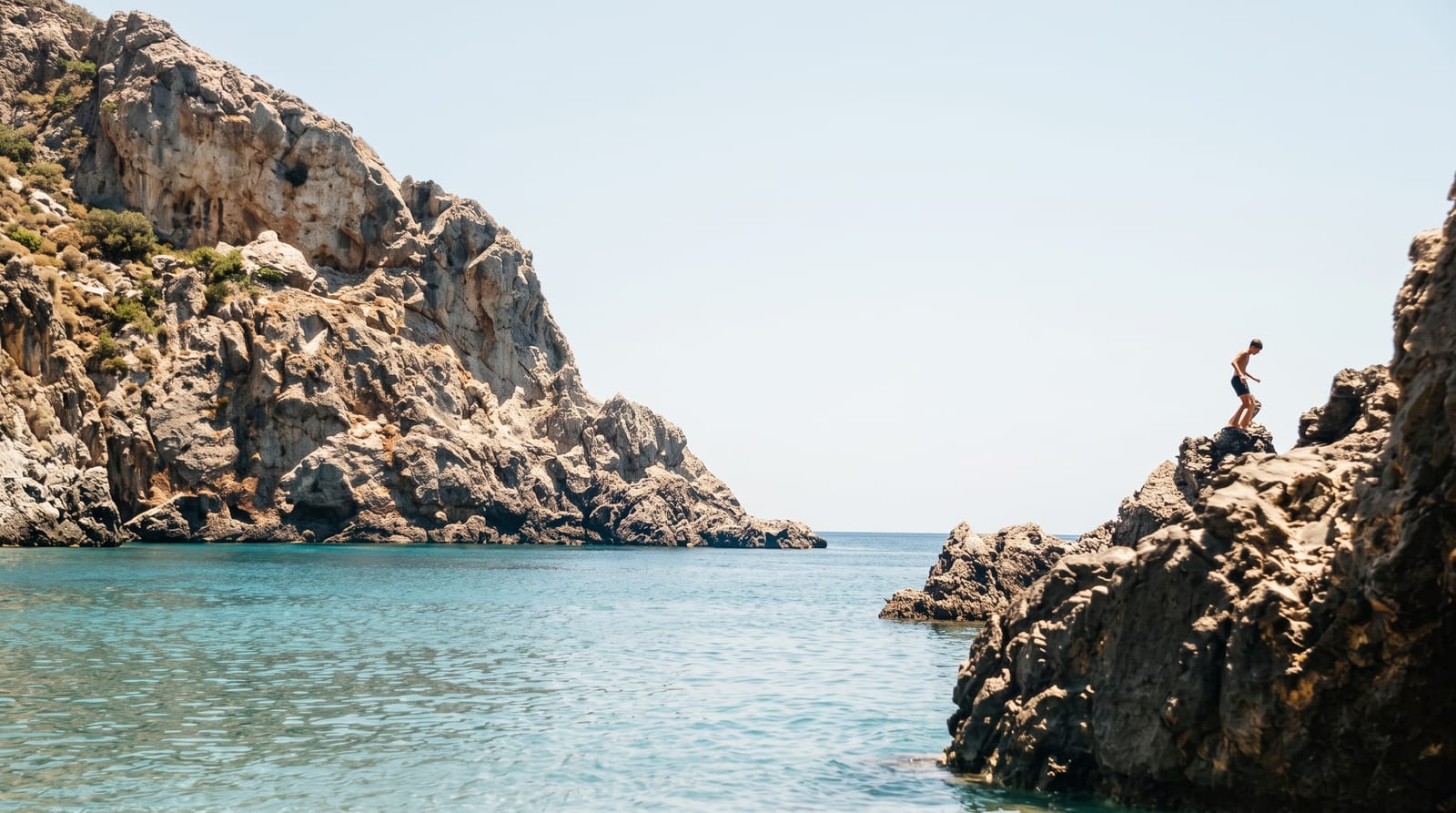
Hokitika Gorge
Turquoise water from glacial rock flour running between granite walls, crossed on two swing bridges.
Updated 21 October 2026
The colour is the whole point and it has a physical explanation: the Hokitika River drains glaciers that grind rock into extremely fine particles - rock flour - which stay suspended in the water and scatter light back at the blue-green end of the spectrum. Put that against pale granite walls and dark bush and you get the turquoise that appears on every West Coast poster. A loop walk of about a kilometre, upgraded in recent years with new boardwalk and a second swing bridge, crosses the gorge twice and takes twenty-five to forty minutes. The important caveat is weather: the colour depends on the rock flour staying suspended and the light getting to it, so after heavy rain the river runs grey-brown and murky, and on an overcast day it is muted. Locals will tell you to come on a fine day two or three days after rain. Swimming is possible but the water is very cold and the current strong.
History
Māori crossed the Southern Alps by Whitcombe Pass and reached the coast through the gorge, and the earliest recorded gold mining here was in 1887. The government built a road for tourism after 1906, the first commercial tours ran from 1922, a footbridge opened in October 1933, the gorge became a scenic reserve of 106 hectares in 1953, and a second, 90-metre suspension bridge opened on 16 August 2020 (Wikipedia, Hokitika Gorge).
Highlights
- The turquoise water - glacial rock flour scattering the light.
- The two swing bridges - the loop crossing the gorge twice.
- The granite walls - pale rock against dark bush.
- The boardwalk loop - about a kilometre, twenty-five to forty minutes.
When to go
A fine day, ideally a couple of days after rain - immediately after heavy rain the river runs brown and the colour is gone. Midday light is strongest for the turquoise.
Things to know
The colour is genuinely weather-dependent and many visitors arrive on the wrong day. The loop is short. The water is cold and fast; swimming is at your own risk. Sandflies at the river.
Nearby
Hokitika and its beach are north; Lake Kaniere is on the same inland loop.
Key facts
Source: Wikidata, item Q32222491, read on 18 October 2026.
What to pack for Hokitika Gorge
Chosen from what this place is for. Tap a kit for the full checklist.
- Broken-in walking shoes or boots - Grip and ankle support matter more than looks; never hike in brand-new boots. Find on Amazon
- Reef-safe sunscreen - High SPF that will not bleach the coral you are swimming over. Find on Amazon
- Warm base layers - Merino or synthetic against the skin - never cotton, which chills when damp. Find on Amazon
- Layers + a waterproof shell - Mountain weather turns fast; a packable rain jacket saves the day. Find on Amazon
Some links on this page are Amazon affiliate links - if you buy through them we may earn a small commission at no extra cost to you.
All packing kitsPlan your trip
Where to start if Hokitika Gorge is going on the list.
Booking links on this page are affiliate links - if you book through them we may earn a small commission at no extra cost to you. It never changes what we write about a place.
Opening times, ticket prices and seasonal closures change - check the official source before you go: official site.