Oisterwijkse Vennen
Around eighty fens scattered through pine and beech woodland, the first Dutch nature area opened for walkers.
Updated 29 August 2026
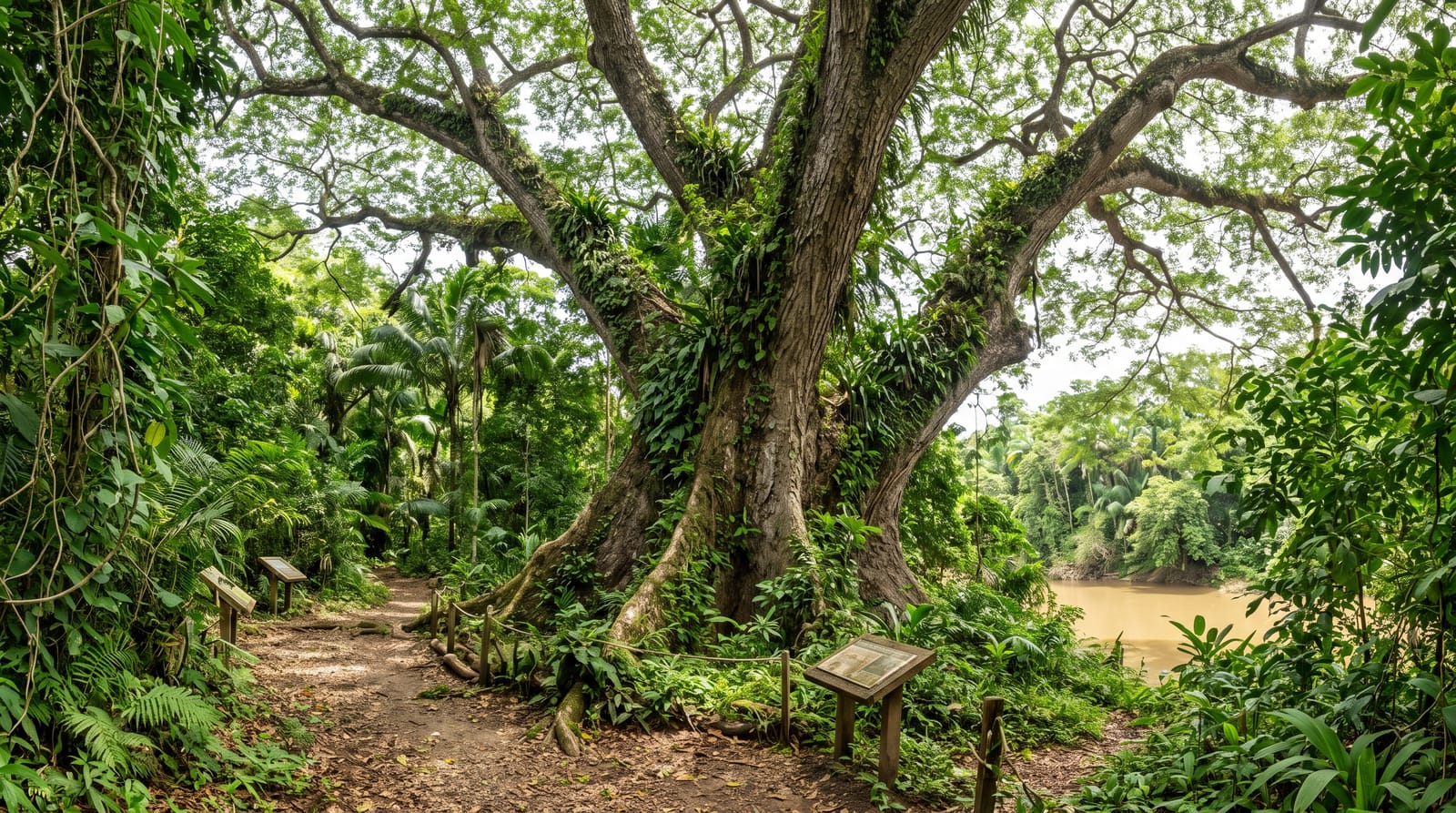
The Oisterwijkse Bossen en Vennen cover about four hundred and fifty hectares of sandy ground east of Tilburg, with somewhere around eighty fens - ven in Dutch, shallow acid pools formed in wind-blown hollows where the water table reaches the surface - scattered through woodland of Scots pine, oak and beech, much of it planted in the nineteenth century over former drift sand and heath. The fens differ from each other in water chemistry and each has its own vegetation, which is why the area has been studied for over a century. It was among the earliest Dutch nature areas deliberately opened to the public for walking, from the early twentieth century, and the network of marked routes dates from that period. Acidification from atmospheric deposition damaged the fens badly and restoration work has been running for decades.
The landscape
- About eighty fens - shallow acid pools in hollows through the woodland.
- Planted pine and beech - nineteenth-century forest over former drift sand.
- Fens differing individually - each with its own water chemistry and plants.
- Restoration in progress - long-running work against acidification damage.
When to go
April to October. A day.
Before you go
Parking is charged at the main entrances and fills at weekends. Swimming in the fens is prohibited. Ticks are common. The area is busy - it is one of the most walked woods in Brabant.
Nearby
Kampina adjoins to the east; Tilburg is west.
Key facts
Source: Wikidata, item Q2074265, read on 18 October 2026.
What to pack for Oisterwijkse Vennen
Chosen from what this place is for. Tap a kit for the full checklist.
- Broken-in walking shoes or boots - Grip and ankle support matter more than looks; never hike in brand-new boots. Find on Amazon
- Reef-safe sunscreen - High SPF that will not bleach the coral you are swimming over. Find on Amazon
- Layers + a waterproof shell - Mountain weather turns fast; a packable rain jacket saves the day. Find on Amazon
- Quick-dry towel - A microfibre towel packs small and dries in minutes. Find on Amazon
Some links on this page are Amazon affiliate links - if you buy through them we may earn a small commission at no extra cost to you.
All packing kitsPlan your trip
Where to start if Oisterwijkse Vennen is going on the list.
Booking links on this page are affiliate links - if you book through them we may earn a small commission at no extra cost to you. It never changes what we write about a place.
Opening times, ticket prices and seasonal closures change - check the official source before you go: official site.