Amsterdamse Waterleidingduinen
A water-catchment dune reserve where thousands of fallow deer graze, walkable only on foot with a ticket.
Updated 12 October 2026
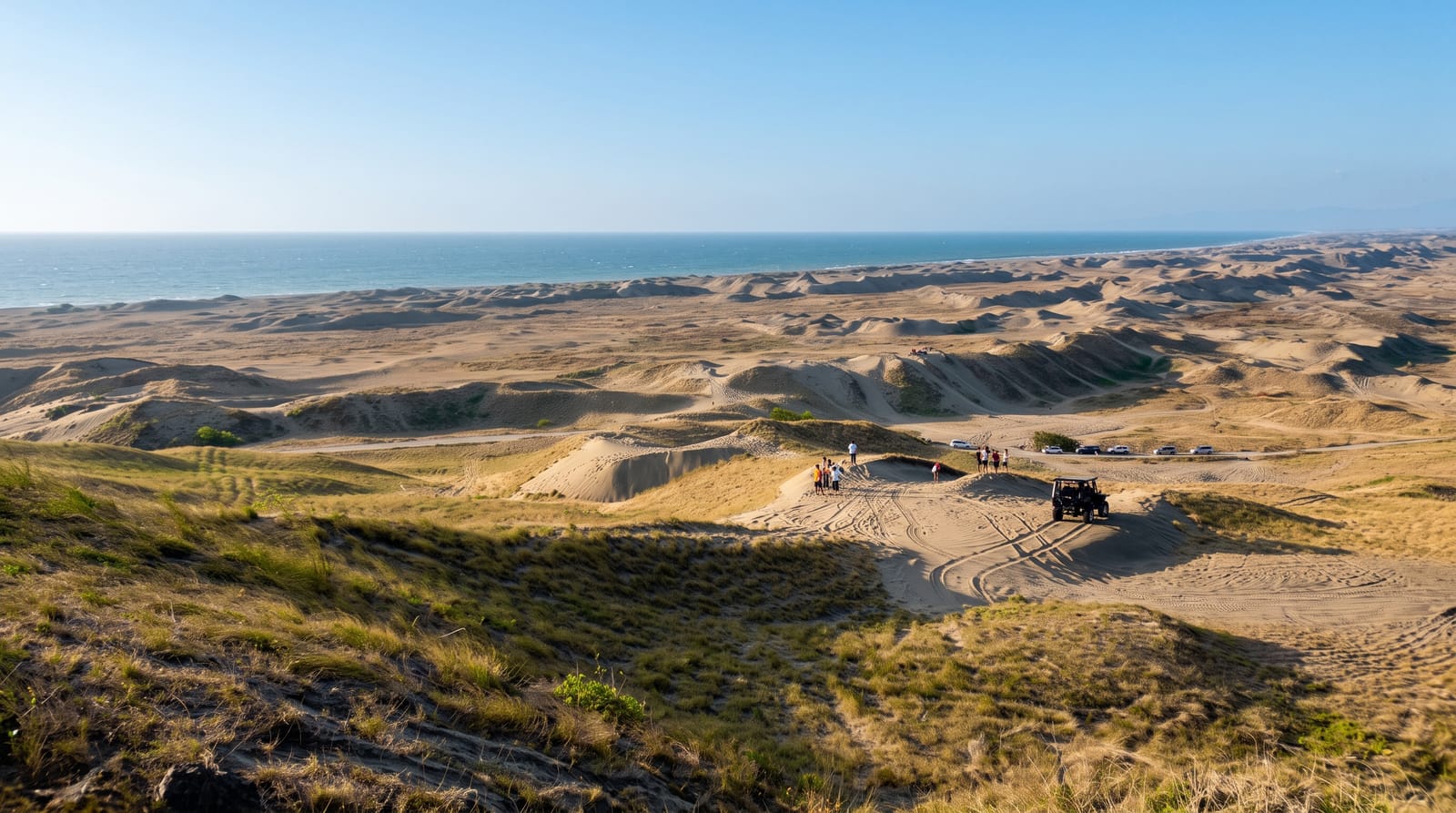
The Amsterdam water supply dunes cover about thirty-four square kilometres between Zandvoort and Noordwijk and have supplied Amsterdam's drinking water since 1853, when river water began to be infiltrated into the sand here and drawn off filtered - the channels and basins are part of the landscape and are the reason the area was never built on. It is walking-only: no bicycles, no dogs, no vehicles, entry by day ticket at set gates, which keeps it quieter than any comparable Dutch dune. The fallow deer are the thing people come for. A population introduced in the twentieth century grew without predators to several thousand, tame enough to approach closely, and the resulting grazing pressure and welfare argument led to a culling programme that has been fought in the Dutch courts and remains contested. Numbers are now lower and the vegetation is recovering.
Highlights
- Fallow deer at close range - habituated animals grazing the open dune.
- Infiltration channels - water works running through the landscape since 1853.
- Walking only - no bicycles or dogs, entry by day ticket at set gates.
- Thirty-four square kilometres - one of the largest dune reserves in the country.
When to go
April to October; autumn for the deer rut. A day.
Things to know
A day ticket is required and there is no cycling or dog access. The deer management programme is genuinely contested and visitors may encounter culling closures. Distances are long and the sand is tiring.
Nearby
Zandvoort beach is west; Keukenhof and the bulb fields are south-east.
Key facts
Source: Wikidata, item Q2014485, read on 18 October 2026.
What to pack for Amsterdamse Waterleidingduinen
Chosen from what this place is for. Tap a kit for the full checklist.
- Broken-in walking shoes or boots - Grip and ankle support matter more than looks; never hike in brand-new boots. Find on Amazon
- Padded shorts - The one thing that makes a full day in the saddle bearable. Find on Amazon
- Loose, light, long clothing - Covering up beats bare skin in the desert - and locals dress this way for a reason. Find on Amazon
- Layers + a waterproof shell - Mountain weather turns fast; a packable rain jacket saves the day. Find on Amazon
Some links on this page are Amazon affiliate links - if you buy through them we may earn a small commission at no extra cost to you.
All packing kitsPlan your trip
Where to start if Amsterdamse Waterleidingduinen is going on the list.
Booking links on this page are affiliate links - if you book through them we may earn a small commission at no extra cost to you. It never changes what we write about a place.
Opening times, ticket prices and seasonal closures change - check the official source before you go: official site.