Jebel Moussa
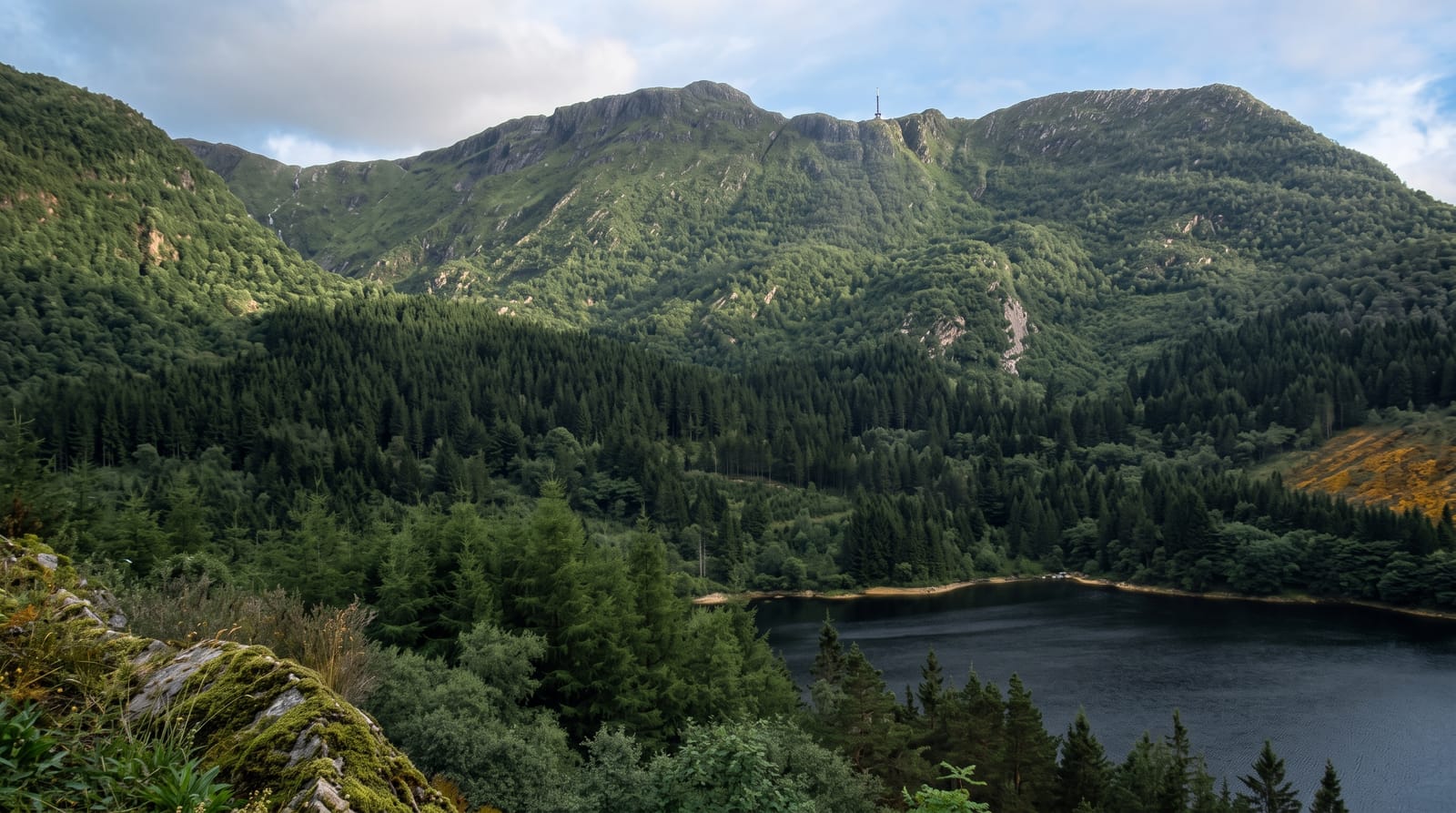
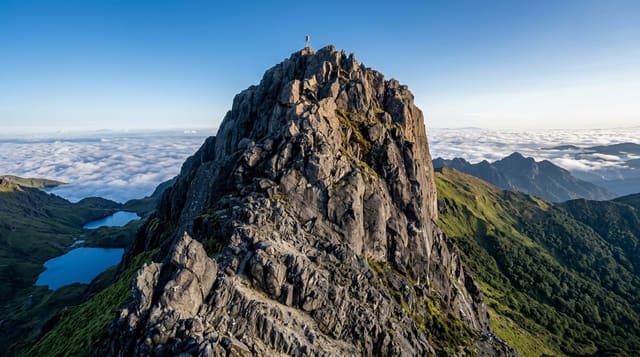
The African Pillar of Hercules, an 840-metre limestone mass over the Strait of Gibraltar and a major bird migration funnel.
Updated 20 October 2026
Classical geography placed the Pillars of Hercules at the two headlands guarding the entrance to the Mediterranean, and while the European one is agreed to be Gibraltar, the African is usually identified as Jebel Moussa - an 840-metre limestone block standing directly over the narrowest part of the strait, about fourteen kilometres from Spain. The walk up from Belyounech gives the strait laid out below with Gibraltar and the Spanish coast opposite and freighters queuing through the channel. Its ecological significance is the migration: the strait is one of the two main crossing points between Europe and Africa for soaring birds, which need land thermals and so funnel here, and in spring and autumn tens of thousands of storks, honey buzzards, black kites and short-toed eagles pass over this headland. The area is a designated biosphere reserve site with cork oak and wild olive on the lower slopes.
History
According to Ibn Battuta the mountain is named after Musa ibn Nusayr, to whom the conqueror of Andalusia Tariq ibn Ziyad owed allegiance. The Greeks and Phoenicians knew it as Mount Abyla and the Romans as Columna, and with the Rock of Gibraltar it is generally taken as one of the Pillars of Hercules, which myth says Heracles made by splitting a mountain in two (Wikipedia, Jebel Musa (Morocco)).
What's there
- The African Pillar - an 840-metre block over the narrowest part of the strait.
- Gibraltar opposite - the European coast about fourteen kilometres across the water.
- A migration funnel - storks and raptors crossing in tens of thousands in season.
- A biosphere reserve - cork oak and wild olive on the lower slopes.
When to go
March to May and September to November for the migration. A day.
Things to know
Trails are unmarked and a guide from the villages is worth taking. It is a coastal border zone with an official presence, so expect to be asked what you are doing. There are no facilities on the mountain. Wind on the ridge is severe.
Nearby
Ceuta is east along the coast; Tangier is west.
Key facts
Source: Wikidata, item Q1026739, read on 18 October 2026.
What to pack for Jebel Moussa
Chosen from what this place is for. Tap a kit for the full checklist.
- Broken-in walking shoes or boots - Grip and ankle support matter more than looks; never hike in brand-new boots. Find on Amazon
- Layers for big temperature swings - Warm sun by day, near-freezing at night, even near the equator. Find on Amazon
- Layers + a waterproof shell - Mountain weather turns fast; a packable rain jacket saves the day. Find on Amazon
- Extra-strong sun protection - Thin air means fierce UV; hat, sunglasses and high-SPF sunscreen. Find on Amazon
Some links on this page are Amazon affiliate links - if you buy through them we may earn a small commission at no extra cost to you.
All packing kitsPlan your trip
Where to start if Jebel Moussa is going on the list.
Booking links on this page are affiliate links - if you book through them we may earn a small commission at no extra cost to you. It never changes what we write about a place.
Opening times, ticket prices and seasonal closures change - check the official source before you go: official site.