Habous Quarter
A medina designed from scratch in the 1920s, with arcaded streets, olive trees and the best bookshops in Casablanca.
Updated 29 August 2026
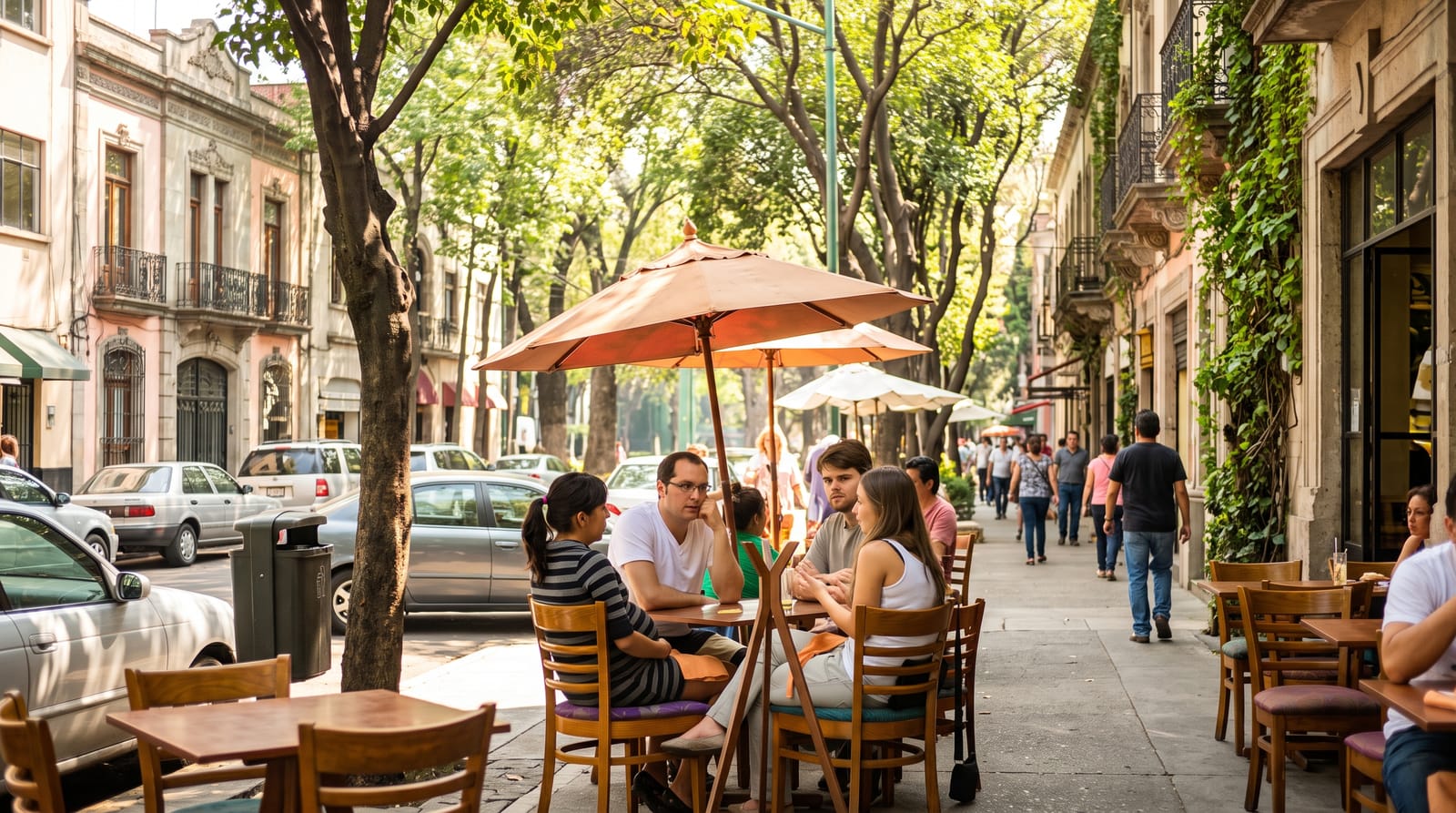
The Habous, or Nouvelle Médina, was built from the 1910s and 1920s on land held as religious endowment - which is what habous means - as a planned quarter to house Moroccans coming into a rapidly growing Casablanca, designed by French architects who took the vocabulary of the traditional medina and laid it out on a modern plan with straight arcaded streets, squares planted with olive and orange, and regular blocks. Whether that counts as respectful or as an imposition has been argued since. What it produced is a quarter that works: arcades of bookshops, several of the best pastry and pâtisserie makers in the city, olive and spice stalls, craft shops less pressured than a real medina, a mosque, a mahkama courthouse of the 1950s, and the royal palace gates. Friday brings the couscous lunch trade. It is walkable, shaded and unusually pleasant for central Casablanca.
What's there
- A designed medina - traditional vocabulary laid out on a straight modern plan from the 1920s.
- Arcaded bookshops - one of the better concentrations of them in Morocco.
- Pastry and olives - several of the city's best pâtissiers and spice stalls.
- The Mahkama - a 1950s courthouse of carved and tiled halls on the quarter's edge.
When to go
October to April; Friday for the couscous. Half a day.
Good to know
It is a planned quarter, not an old one - people expecting a medina find it too regular. The Mahkama's opening is irregular. Craft prices are fixed and higher than a real souk. Weekend afternoons are busy.
Nearby
The Mahkama du Pacha is on the quarter; the royal palace gates are beside it.
What to pack for Habous Quarter
Chosen from what this place is for. Tap a kit for the full checklist.
- Comfortable walking shoes - Sightseeing means kilometres of pavement and cobbles daily. Find on Amazon
- Modest clothing - Shoulders and knees covered - the single most common requirement. Find on Amazon
- A slim anti-theft daypack - Zips that close properly; keep it in front in crowds and on transit. Find on Amazon
- A scarf or shawl - To cover the head or shoulders on entry; women especially at mosques. Find on Amazon
Some links on this page are Amazon affiliate links - if you buy through them we may earn a small commission at no extra cost to you.
All packing kitsPlan your trip
Where to start if Habous Quarter is going on the list.
Booking links on this page are affiliate links - if you book through them we may earn a small commission at no extra cost to you. It never changes what we write about a place.
Opening times, ticket prices and seasonal closures change - check the official source before you go: official site.