Debdou
A hillside town in eastern Morocco that was for centuries almost entirely Jewish, and is now almost entirely not.
Updated 29 August 2026
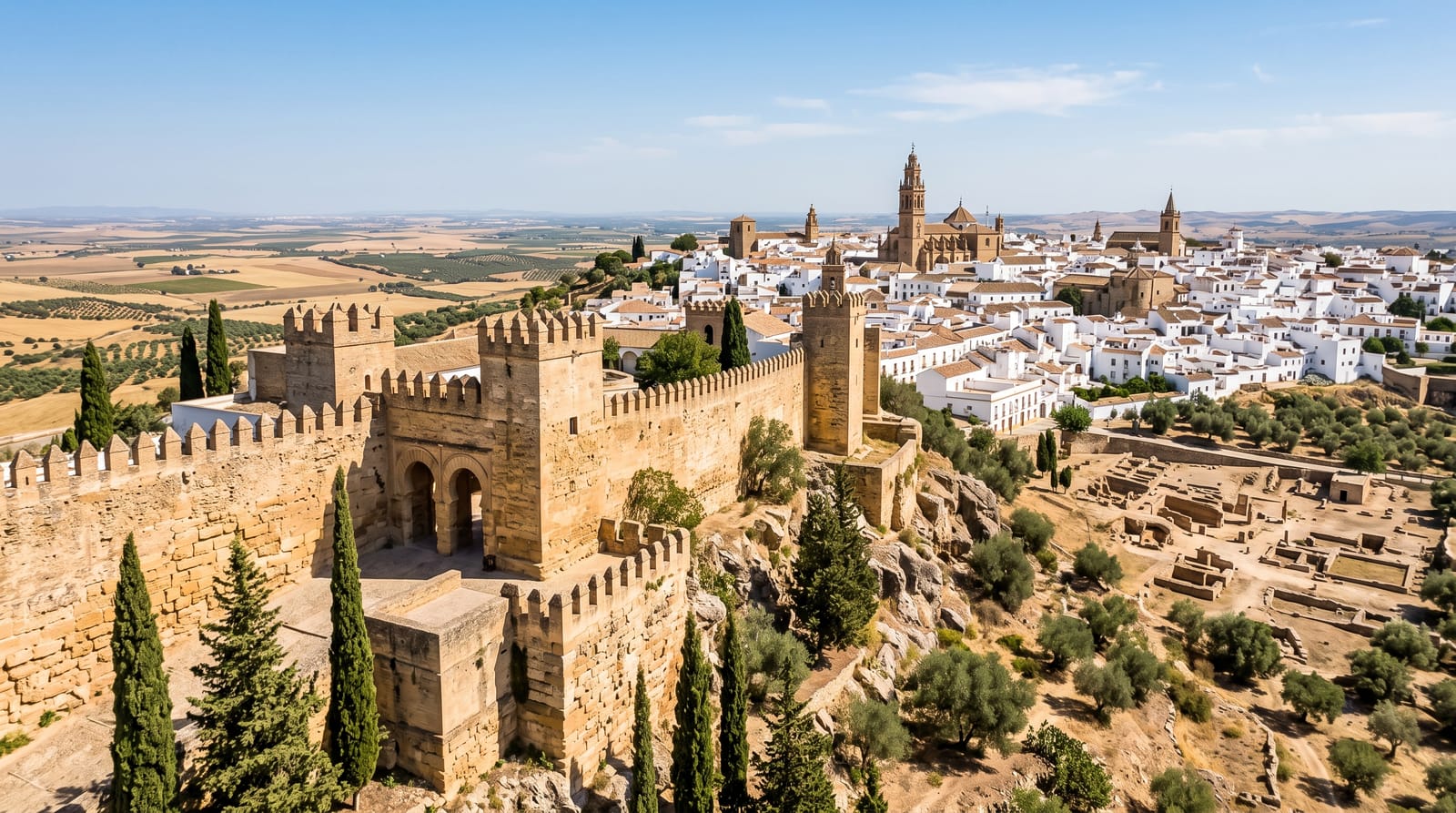
Debdou sits in a valley below an escarpment in the hills of eastern Morocco, and its distinction is demographic: from the fifteenth century, when families expelled from Seville and elsewhere in Spain settled here, until the mid-twentieth, the town was overwhelmingly Jewish - by some accounts the only town in Morocco with a Jewish majority for extended periods - with its own quarter, synagogues, a rabbinical tradition and family names, the Cohen-Sqalli among them, traceable to the Andalusian arrivals. Almost the entire community emigrated between the 1950s and 1970s, mainly to Israel and France. What remains is the townscape - the old quarter, a cemetery on the slope, the ruins of a kasbah above, springs and orchards - and descendants who return. It is remote, has no tourist infrastructure at all, and is visited mainly by people with a family connection.
The main sights
- A Jewish-majority town - from the fifteenth century until the mid-twentieth.
- Andalusian roots - families traceable to expulsions from Seville and elsewhere.
- The old quarter and cemetery - the physical remains of a community that left.
- A kasbah ruin - above the town, with springs and orchards below.
When to go
Spring and autumn. Half a day; it is a long detour.
What to expect
There is no tourist infrastructure whatsoever - no hotels or guides. The synagogues are closed or gone and the cemetery may need a key. It is a long drive from any main route. There is no interpretation of the town's history on the ground.
Nearby
Taourirt is north on the Oujda-Fes road; the eastern steppe surrounds it.
Key facts
Source: Wikidata, item Q654695, read on 18 October 2026.
What to pack for Debdou
Chosen from what this place is for. Tap a kit for the full checklist.
- Comfortable walking shoes - Sightseeing means kilometres of pavement and cobbles daily. Find on Amazon
- A slim anti-theft daypack - Zips that close properly; keep it in front in crowds and on transit. Find on Amazon
- A refillable water bottle - Many cities have public fountains; save money and plastic. Find on Amazon
- A light layer + compact umbrella - For museum air-con and a sudden shower. Find on Amazon
Some links on this page are Amazon affiliate links - if you buy through them we may earn a small commission at no extra cost to you.
All packing kitsPlan your trip
Where to start if Debdou is going on the list.
Booking links on this page are affiliate links - if you book through them we may earn a small commission at no extra cost to you. It never changes what we write about a place.
Opening times, ticket prices and seasonal closures change - check the official source before you go: official site.