Tuvkhun Monastery
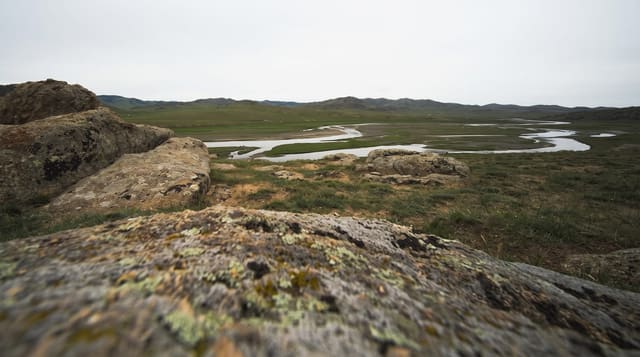
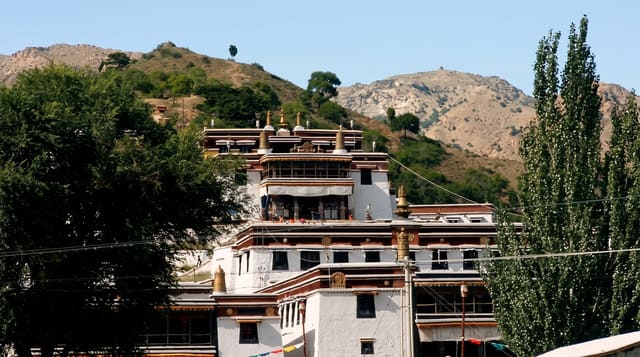
Zanabazar's hilltop hermitage in the forested Khangai, reached by a steep climb and holding his meditation cave.
Updated 31 August 2026
Zanabazar, the first Bogd Gegeen of Mongolia and its greatest sculptor, founded a retreat here in 1653 on a rocky forested ridge at around 2,300 metres, and it was where he worked and meditated rather than a monastery in the institutional sense. The buildings are small temples fitted between boulders on the crest, reached by a steep path from the parking area below, and the setting of pine forest and rock is as much the point as the architecture. Behind the temples is the cave where he meditated, entered by squeezing through a gap, and a rock formation described as his throne. The monastery was destroyed in the 1930s and rebuilt from the 1990s, with monks resident again. It falls within the Orkhon Valley World Heritage area and is one of the most atmospheric religious sites in the country.
What's there
- The ridge temples - small buildings fitted among the boulders.
- Zanabazar's cave - the meditation cave entered through a narrow gap.
- The forest setting - pine and rock on the Khangai crest.
- Views over the Orkhon - the valley country from the ridge.
When to go
June to September; the track and the climb are difficult in snow or heavy rain. Mornings are quieter. The climb takes about half an hour and is steep but short.
What to expect
The final track needs 4x4 and the climb is steep. Buildings are small and mostly modern rebuilds. Monastic rules apply, including walking clockwise and restrictions on photography inside. Facilities are a ger camp below. Some visitors find the cave squeeze impossible.
Nearby
Kharkhorin and Erdene Zuu lie east; the Orkhon waterfall is south.
What to pack for Tuvkhun Monastery
Chosen from what this place is for. Tap a kit for the full checklist.
- Broken-in walking shoes or boots - Grip and ankle support matter more than looks; never hike in brand-new boots. Find on Amazon
- Head torch + spare batteries - Hands-free light is essential; caves are truly dark. Find on Amazon
- Warm base layers - Merino or synthetic against the skin - never cotton, which chills when damp. Find on Amazon
- Comfortable walking shoes - Sightseeing means kilometres of pavement and cobbles daily. Find on Amazon
Some links on this page are Amazon affiliate links - if you buy through them we may earn a small commission at no extra cost to you.
All packing kitsPlan your trip
Where to start if Tuvkhun Monastery is going on the list.
Booking links on this page are affiliate links - if you book through them we may earn a small commission at no extra cost to you. It never changes what we write about a place.
Opening times, ticket prices and seasonal closures change - check the official source before you go: official site.