Khar Balgas
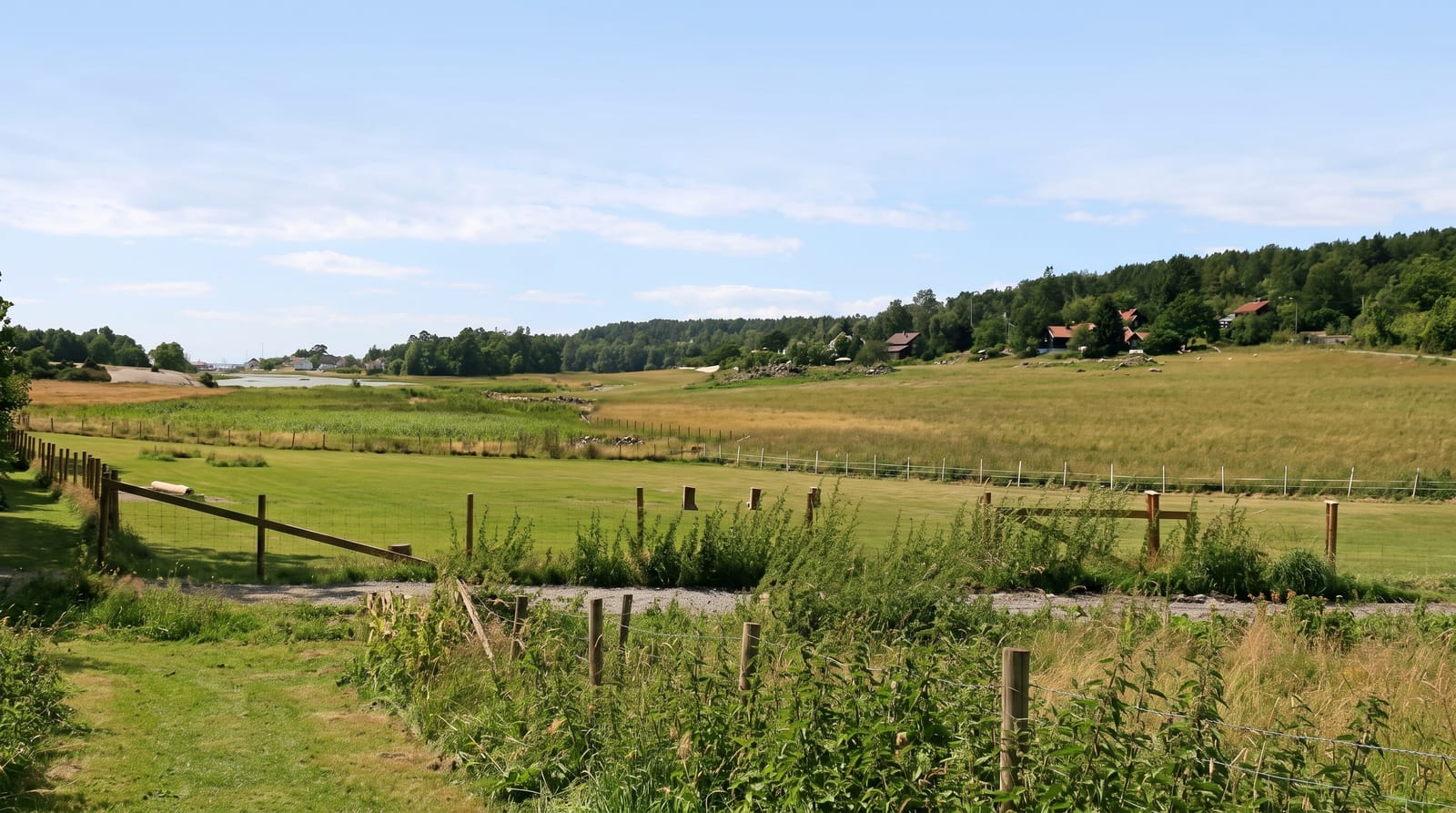
The ruined capital of the Uyghur Khaganate on the Orkhon steppe, its earth walls still standing after twelve centuries.
Updated 18 October 2026
UNESCO World Heritage
Khar Balgas, the black city, was Ordu-Baliq, capital of the Uyghur Khaganate from around 745 to 840, a walled city on the Orkhon that at its height held palaces, a citadel, workshops and irrigated fields, described by Arab and Chinese travellers. What survives is earthwork: a walled rectangle several kilometres in circuit, with the citadel mound and a stupa-like tower still standing well above the grass, gates visible as gaps, and the outlines of streets and canals readable from the air more than from the ground. Nothing has been reconstructed and there is no visitor centre; sheep graze inside the walls. The site lies within the Orkhon Valley Cultural Landscape World Heritage area, which recognises the succession of steppe empires that used this valley, and it sits a short drive from Kharkhorin.
History
After the last Göktürk khagan was defeated by an alliance of Uyghurs, Karluks and Basmyls in 744, the Uyghurs under Bayanchur Khan built their capital, Ordu-Baliq, the city of the court, on the site of the old Göktürk camp, 27 kilometres from the later Mongol capital of Karakorum, and it flourished until 840, when the invading Yenisei Kyrgyz left it in ruins. The city covered at least 32 square kilometres, with a walled palace or temple complex of 360 by 404 metres, 14 watchtowers, a 12-metre citadel and a 14-metre stupa, and the Russian archaeologist Nikolay Yadrintsev found a granite monument here with a dragon on top and a runic inscription praising the khagans. Tamim ibn Bahr, an envoy of the Samanids who came in 821 and left the only written account, described a great, crowded town with twelve huge iron gates, markets and farmland all around, where Manichaeism prevailed and the khagan held court in a golden tent on the citadel (Wikipedia, Ordu-Baliq).
What you'll find
- The earth walls - a large walled rectangle standing above the steppe.
- The citadel mound - the raised core with its surviving tower.
- Gate gaps and street lines - the city plan readable in the ground.
- The Orkhon setting - river valley grazing where empires were based.
When to go
May to September for the tracks. Low sun early or late brings out the earthworks, which flatten badly in midday light. It takes an hour or two and pairs with Kharkhorin.
Good to know
There is nothing standing but earth banks and a tower, no signage and no facilities, so without some background the site reads as lumps in a field. Livestock graze over it. The track in is rough. Come for the history and the emptiness rather than for architecture.
Nearby
Kharkhorin and Erdene Zuu lie south; Ugii lake is northeast.
Key facts
Source: Wikidata, item Q2475401, read on 18 October 2026.
What to pack for Khar Balgas
Chosen from what this place is for. Tap a kit for the full checklist.
- Comfortable walking shoes - Sightseeing means kilometres of pavement and cobbles daily. Find on Amazon
- Modest clothing - Shoulders and knees covered - the single most common requirement. Find on Amazon
- A slim anti-theft daypack - Zips that close properly; keep it in front in crowds and on transit. Find on Amazon
- A scarf or shawl - To cover the head or shoulders on entry; women especially at mosques. Find on Amazon
Some links on this page are Amazon affiliate links - if you buy through them we may earn a small commission at no extra cost to you.
All packing kitsPlan your trip
Where to start if Khar Balgas is going on the list.
Booking links on this page are affiliate links - if you book through them we may earn a small commission at no extra cost to you. It never changes what we write about a place.
Opening times, ticket prices and seasonal closures change - check the official source before you go: official site.