Burkhan Khaldun
The sacred mountain of the Khentii where Genghis Khan is said to have prayed and, by tradition, to be buried.
Updated 18 October 2026
UNESCO World Heritage
The Secret History of the Mongols records Genghis Khan taking refuge on Burkhan Khaldun as a young man and returning to give thanks, and the mountain became the sacred centre of the Mongol world; tradition holds that he was buried somewhere on or near it, though no grave has ever been found and the search for one is regarded by many Mongolians as improper. The mountain and its surrounding landscape were inscribed as World Heritage in 2015 for that association and for the continuity of worship, which mixes older shamanic practice with Buddhism. It lies deep in the Khan Khentii protected area, and reaching it is a serious multi-day trip with permits, a guide and horses. A large ovoo stands on the summit, and offerings and ceremonies happen there. Traditional restrictions apply, including limits on who may climb.
History
The mountain had religious meaning before Genghis Khan, who is believed to have been born near it and, by tradition, to lie buried there; in the Secret History of the Mongols he says he was shielded by Burkhan Khaldun when he fled up it, frightened, and vows to honour it with sacrifices every morning, and he went on to give it the status of a royal sacred mountain as he unified the Mongols. The Secret History, which UNESCO recognised in 1990 as a literary work of outstanding universal significance, mentions the mountain 27 times, and the general Subutai was also born in its country. In 1992 it became part of the 12,000-square-kilometre Khan Khentii Strictly Protected Area, a presidential decree of 1995 formalised its worship and made it a national monument, and on 4 July 2015 the Great Burkhan Khaldun Mountain and its sacred landscape became a World Heritage Site (Wikipedia, Burkhan Khaldun).
The main sights
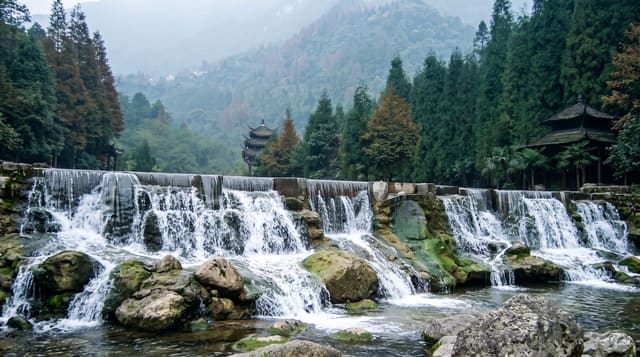
- The summit ovoo - the great cairn and the offerings left at it.
- Khentii taiga - forest and bog on the long approach.
- Worship in practice - ceremonies and offerings by Mongolian pilgrims.
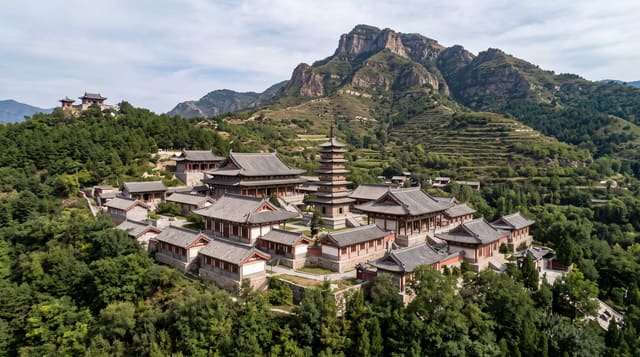
- The wider landscape - the sacred area recognised by the listing.
When to go
June to September; the approach is impassable outside that. Ceremonies follow the lunar calendar and particular days draw pilgrims. Weather at altitude is unpredictable and cold even in summer.
Things to know
Access is genuinely restricted and requires permits and a guide; the mountain is not a casual climb. Traditional rules limit who may go to the summit and how to behave, and these are taken seriously. The journey is long and hard with no facilities. Searching for or speculating about a grave is offensive to many Mongolians.
Nearby
Khan Khentii wilderness surrounds it; Baldan Bereeven monastery lies east.
Key facts
Source: Wikidata, item Q1010335, read on 18 October 2026.
What to pack for Burkhan Khaldun
Chosen from what this place is for. Tap a kit for the full checklist.
- Broken-in walking shoes or boots - Grip and ankle support matter more than looks; never hike in brand-new boots. Find on Amazon
- Comfortable walking shoes - Sightseeing means kilometres of pavement and cobbles daily. Find on Amazon
- Modest clothing - Shoulders and knees covered - the single most common requirement. Find on Amazon
- Layers + a waterproof shell - Mountain weather turns fast; a packable rain jacket saves the day. Find on Amazon
Some links on this page are Amazon affiliate links - if you buy through them we may earn a small commission at no extra cost to you.
All packing kitsPlan your trip
Where to start if Burkhan Khaldun is going on the list.
Booking links on this page are affiliate links - if you book through them we may earn a small commission at no extra cost to you. It never changes what we write about a place.
Opening times, ticket prices and seasonal closures change - check the official source before you go: official site.