Lelu Ruins
A basalt-walled royal city on Kosrae, contemporary with Nan Madol.
Updated 3 September 2026
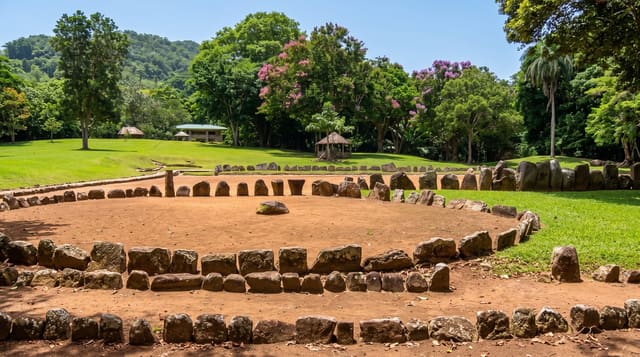
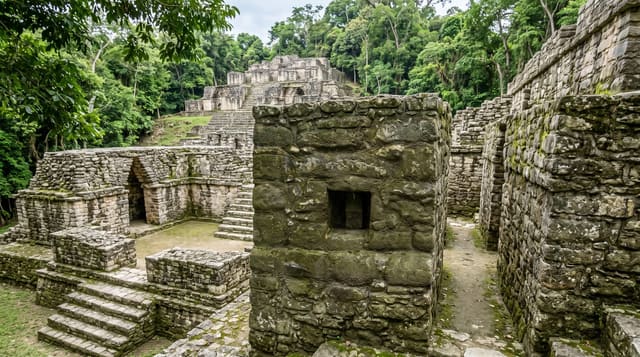
Lelu on Kosrae was the seat of the island's high chiefs, a walled city of basalt built from around the thirteenth century with compounds, canals, tombs and streets laid out between walls of stacked columnar rock, contemporary with Nan Madol on Pohnpei and built in the same way. Much of it now stands in dense growth behind the modern village, with the tomb compounds the most complete part.
What's there
- The basalt walls - stacked columnar rock forming compounds and streets.
- The tomb compounds - the most complete surviving structures on the site.
- The canal remains - the water channels running through the old city.
- The chiefly seat - the centre of Kosraean rule from the 1200s.
When to go
December to March is the drier season, though Kosrae is wet year round. Vegetation grows over the site quickly. Mornings are best before the heat.
What to expect
Much of the site is overgrown and hard to read without a guide. Interpretation is minimal. The modern village sits on and around the ruins, so orientation is confusing.
Nearby
Tofol is across the causeway, and Menke is inland.
What to pack for Lelu Ruins
Chosen from what this place is for. Tap a kit for the full checklist.
- Comfortable walking shoes - Sightseeing means kilometres of pavement and cobbles daily. Find on Amazon
- A slim anti-theft daypack - Zips that close properly; keep it in front in crowds and on transit. Find on Amazon
- A refillable water bottle - Many cities have public fountains; save money and plastic. Find on Amazon
- A light layer + compact umbrella - For museum air-con and a sudden shower. Find on Amazon
Some links on this page are Amazon affiliate links - if you buy through them we may earn a small commission at no extra cost to you.
All packing kitsPlan your trip
Where to start if Lelu Ruins is going on the list.
Booking links on this page are affiliate links - if you book through them we may earn a small commission at no extra cost to you. It never changes what we write about a place.
Opening times, ticket prices and seasonal closures change - check the official source before you go: official site.