Zacatecas
A silver city wedged into a narrow ravine, with the most extravagant baroque facade in Mexico and a cable car over the rooftops.
Updated 18 October 2026

AI illustration
UNESCO World Heritage
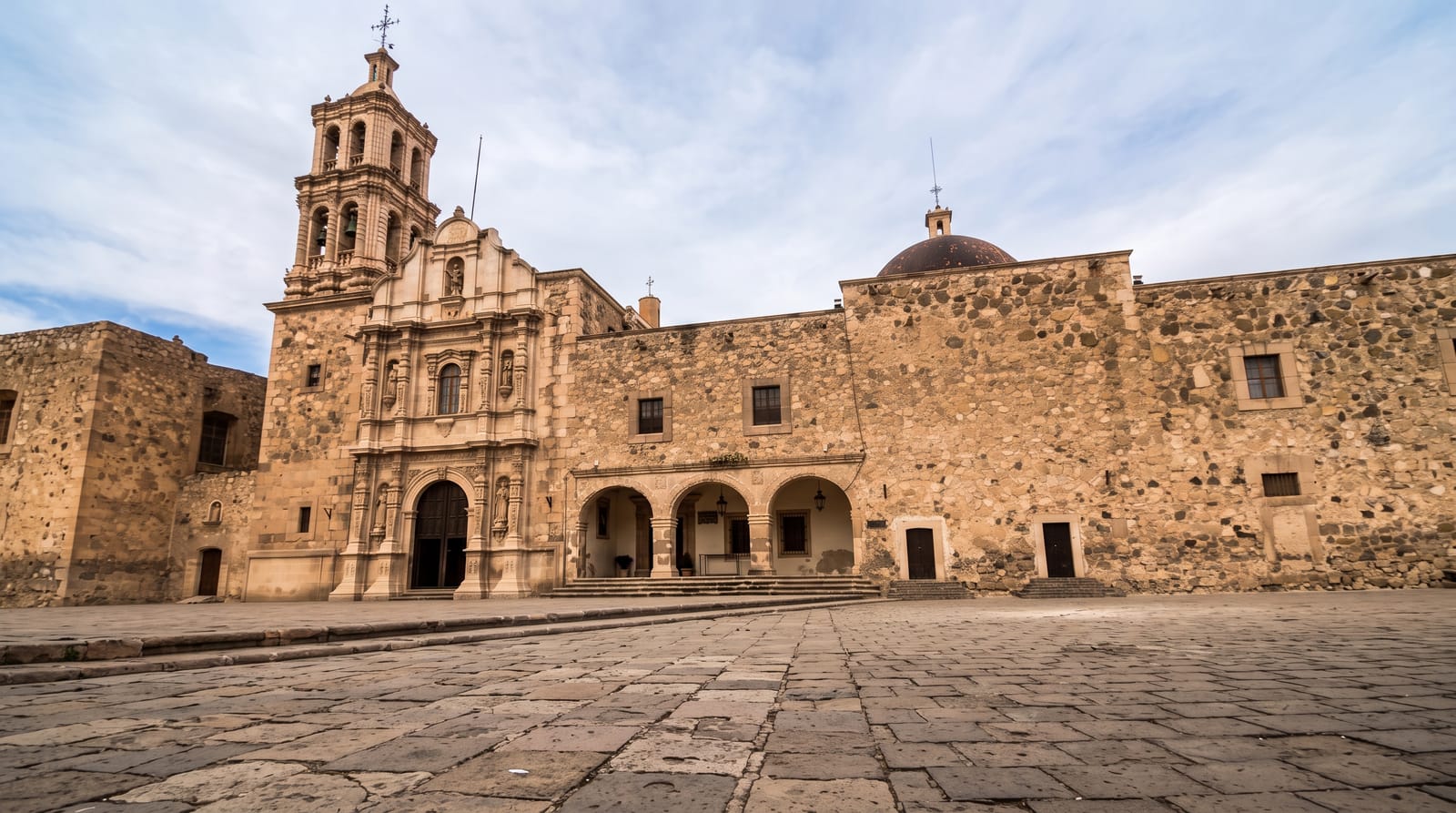
Silver was found here in 1546 and the city that grew on it had nowhere flat to go, so it climbs the walls of a narrow ravine at around two and a half thousand metres, streets bending and stepping between pink stone houses. The cathedral has a facade so densely carved that the stone seems to have been embroidered, generally reckoned the high point of Mexican baroque. The Eden mine, worked for four centuries, now runs tours through its galleries and even a train through the rock. A cable car crosses above the whole city to the Cerro de la Bufa, the crag that dominates it. Two of the country's best modern art collections sit in former convents here.
History
People first came to the area about 10,000 years ago, and the Chichimeca peoples who later dominated it, the Zacatecos most numerous among them, were mining silver in the hills long before the Europeans arrived. In 1546 Juan de Tolosa brought back rock samples from the Cerro de la Bufa rich in silver and lead, a mining camp grew at its foot, the Zacatecos who resisted were defeated in the 1540s, and in 1548 the military mining camp of Minas de Nuestra Señora de Remedios was formally founded, the same year the first great vein was struck at the San Bernabé mine. The camp became a parish in 1550 and in 1585 a city, receiving its arms from Philip II, and the cathedral was built between 1730 and 1760. In June 1914 Francisco Villa's División del Norte took the city from Victoriano Huerta's last stronghold in the Battle of Zacatecas, still celebrated every year, and in 1993 the city centre became a World Heritage Site (Wikipedia, Zacatecas City).
What you'll find
- The cathedral facade - the most elaborately carved baroque front in Mexico.
- Mina El Edén - four centuries of silver workings, entered by mine train.
- The cable car - crossing above the rooftops to the Cerro de la Bufa.
- The Rafael Coronel museum - thousands of masks in a ruined convent.
When to go
March to November is the most comfortable; the altitude keeps summer bearable but winter nights are genuinely cold and this is one of the chilliest cities in Mexico. The cable car closes in high wind, which is common. Holy Week and the August fair fill the city.
What to expect
At two and a half thousand metres the steep streets take a toll on the first day, and the city is built almost entirely on slopes with steps rather than pavements in places. It is a long way from the usual tourist circuits, six hours from Mexico City by road. Winter evenings are cold enough to need a proper coat.
Nearby
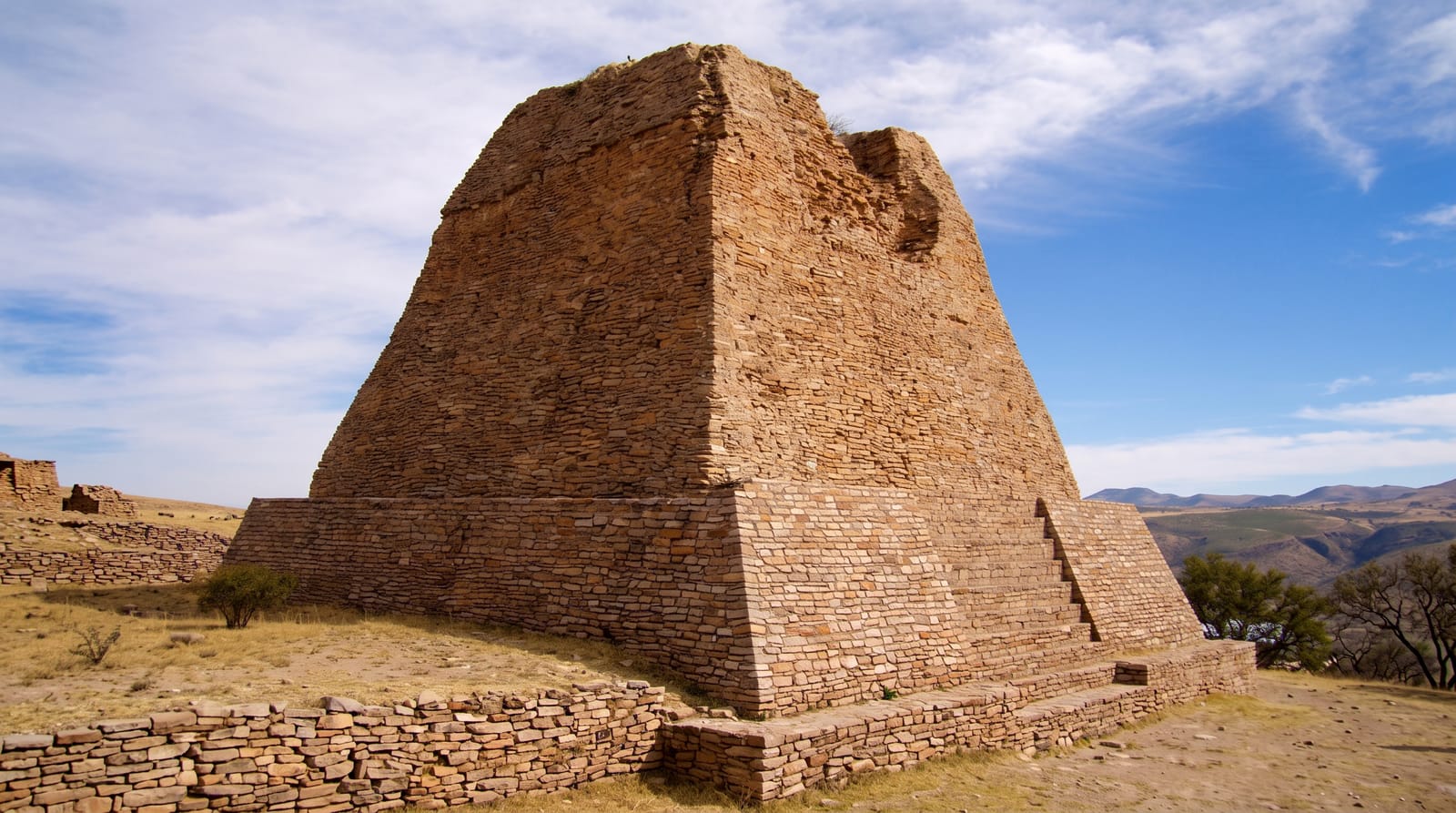
Guadalupe and its convent museum are ten minutes; the Chicomostoc ruins are an hour south.
Key facts
Source: Wikidata, item Q80269, read on 18 October 2026.
What to pack for Zacatecas
Chosen from what this place is for. Tap a kit for the full checklist.
- Comfortable walking shoes - Sightseeing means kilometres of pavement and cobbles daily. Find on Amazon
- Modest clothing - Shoulders and knees covered - the single most common requirement. Find on Amazon
- A slim anti-theft daypack - Zips that close properly; keep it in front in crowds and on transit. Find on Amazon
- A scarf or shawl - To cover the head or shoulders on entry; women especially at mosques. Find on Amazon
Some links on this page are Amazon affiliate links - if you buy through them we may earn a small commission at no extra cost to you.
All packing kitsPlan your trip
Where to start if Zacatecas is going on the list.
Booking links on this page are affiliate links - if you book through them we may earn a small commission at no extra cost to you. It never changes what we write about a place.
Opening times, ticket prices and seasonal closures change - check the official source before you go: official site.