Bujumbura
The lakeside capital in all but name - palm boulevards, colonial-era quarters, Tanganyika beaches and the region's most easygoing waterfront evenings.
Updated 19 October 2026
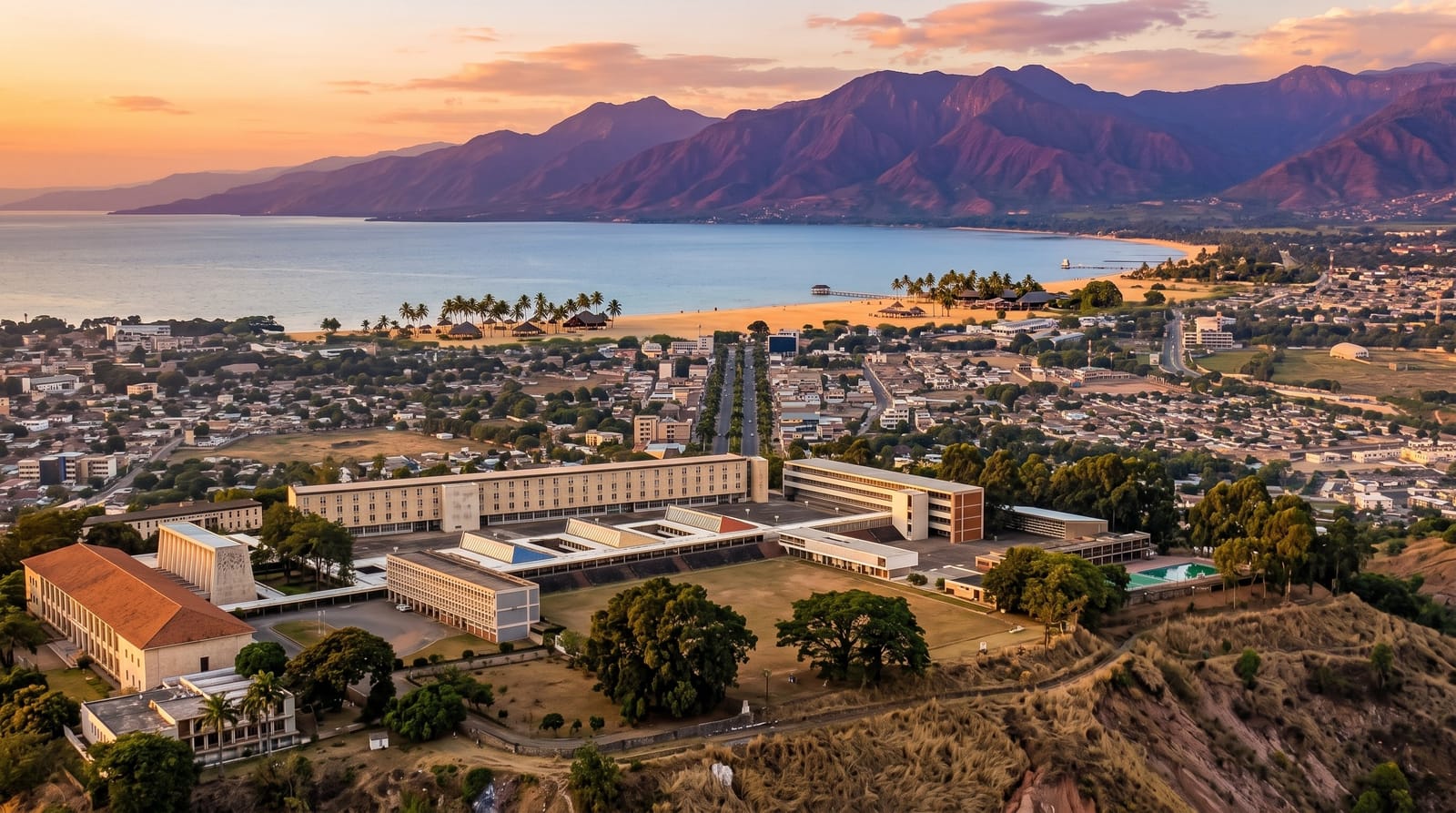
AI illustration
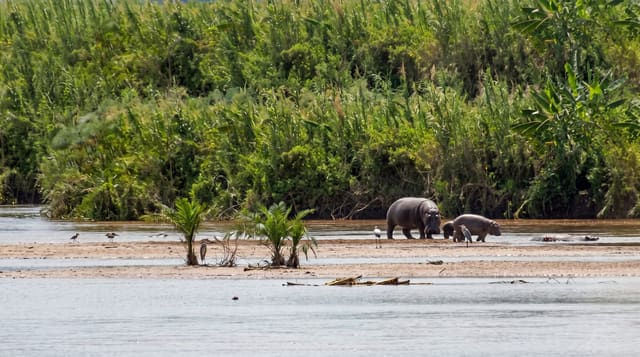
Bujumbura spreads along Lake Tanganyika's head with the mountains of Congo purple across the water - a lake city of palm boulevards, German- and Belgian-era public buildings around the old centre, markets stacked with hill-country produce, and a waterfront culture the region envies: beach clubs on golden sand, grilled mukeke fish from the lake's depths, and sunset hours when the whole city seems to angle toward the water. The Musee Vivant's crafts and the Livingstone-Stanley stone at Mugere - marking the explorers' 1871 meeting era - add the excursion notes, and the Rusizi delta's hippos wait twenty minutes north.
History
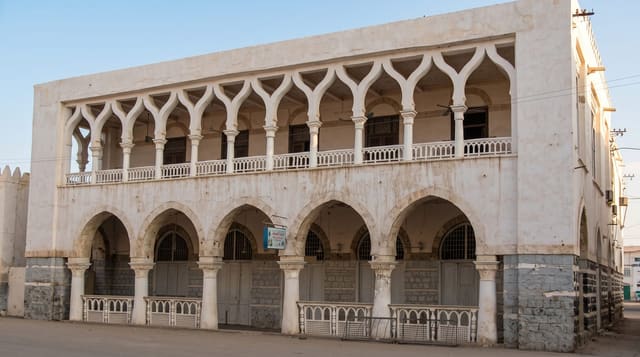
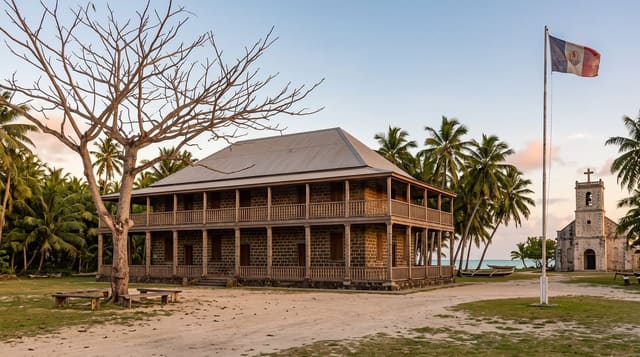
Bujumbura grew from a small village after it became a military post of German East Africa in 1889, and under Belgian rule, as Usumbura, it was the administrative centre and de facto capital of Ruanda-Urundi. It took the name Bujumbura at independence in 1962, and the Belgian period left the centre with buildings in the European styles of the first half of the 20th century, Modernist and Art Deco among them (Wikipedia, Bujumbura).
Highlights
- The lakefront beaches - Tanganyika sand and sunset clubs.
- The old centre - colonial-era buildings and the central market's energy.
- Mukeke evenings - the lake's signature fish, grilled at the water.
- The Congo view - mountains across one of the world's longest lakes.
When to go
June to September is dry and bright with the lake at its calmest for swimming and boat runs; weekends animate the beach clubs. The city runs warm and equable year round.
Good to know
The city's charm is atmosphere over monuments; sightseeing lists run short while lakeside days fill themselves. Standard city awareness applies after dark.
Nearby
Rusizi's delta, Saga Beach's strip and the crest road toward Kibira.
Key facts
Source: Wikidata, item Q3854, read on 18 October 2026.
What to pack for Bujumbura
Chosen from what this place is for. Tap a kit for the full checklist.
- Reef-safe sunscreen - High SPF that will not bleach the coral you are swimming over. Find on Amazon
- Comfortable walking shoes - Sightseeing means kilometres of pavement and cobbles daily. Find on Amazon
- Quick-dry towel - A microfibre towel packs small and dries in minutes. Find on Amazon
- A slim anti-theft daypack - Zips that close properly; keep it in front in crowds and on transit. Find on Amazon
Some links on this page are Amazon affiliate links - if you buy through them we may earn a small commission at no extra cost to you.
All packing kitsPlan your trip
Where to start if Bujumbura is going on the list.
Booking links on this page are affiliate links - if you book through them we may earn a small commission at no extra cost to you. It never changes what we write about a place.
Opening times, ticket prices and seasonal closures change - check the official source before you go: official site.