Mani
The quiet town where Maya history burned and survives - a great 1549 Franciscan convent, melipona-bee honey houses and the peninsula's most storied poc chuc.
Updated 20 October 2026

AI illustration
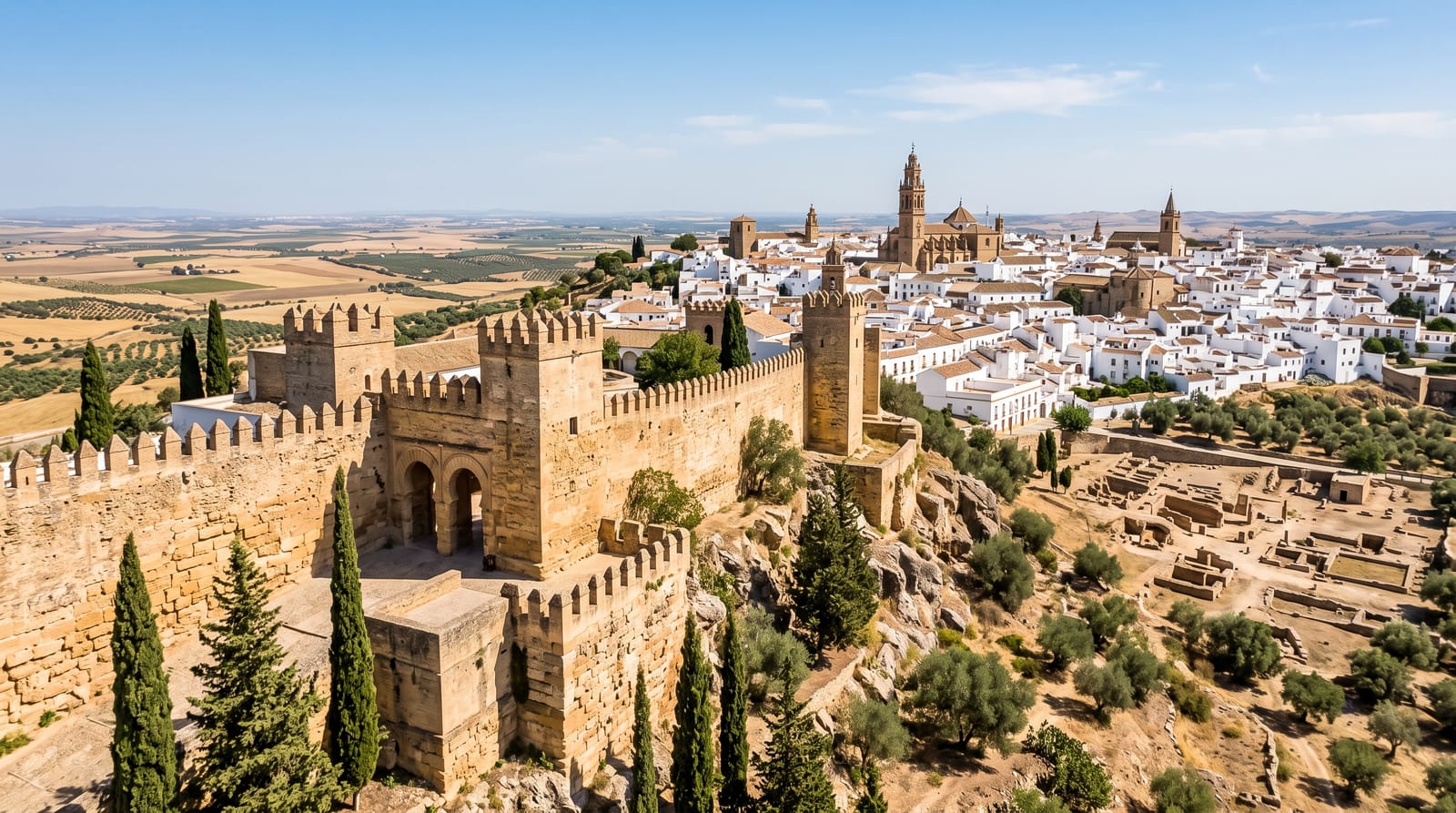
Mani is small, slow and central to Yucatan's memory. Here in 1562, in the atrium of the convent of San Miguel Arcangel, the Franciscan provincial Diego de Landa burned the Maya codices and images he could gather - an auto-da-fe that destroyed all but a handful of the civilization's books, and which Landa himself partly repaid by writing the account later used to help decipher Maya script. The convent survives as one of the peninsula's earliest and greatest: a fortress church of 1549 with a vast atrium, open chapel arches, cloister murals and a carved retablo, recently restored and startlingly grand for a town of sand streets and huipil-clad grandmothers. Around it, Mani keeps gentler traditions: meliponarios - backyard sanctuaries of the stingless melipona bee, kept in hollow logs since pre-Hispanic times - open their honey-tasting doors, and the town's poc chuc, citrus-marinated grilled pork with all the trimmings, is famous across Yucatan, anchored by a beloved institution that draws Sunday pilgrims of the edible kind. The pueblo magico designation changed little; that is the compliment.
History
Maní has been lived in for about 4000 years. In the 13th century the Tutul-Xiu dynasty moved its capital here from Uxmal, the town held a yearly festival in honour of Kukulcan until 1341, and after the fall of Mayapan in 1441 the Xiu were the leading power in the western Yucatán (Wikipedia, Maní, Yucatán).
Highlights
- San Miguel Arcangel - the 1549 fortress convent and its atrium.
- The history - the site of the 1562 burning, soberly remembered.
- The meliponarios - stingless-bee honey houses in log hives.
- The poc chuc tables - Yucatan's benchmark grilled pork.
When to go
Dry-season weekdays for the convent in solitude; Sunday lunch for the poc chuc scene at full family tilt. August fiestas dress the plaza.
Things to know
Mani is an hour of sights and an afternoon of atmosphere - come as part of the convent route or Puuc circuit. English is rare; melipona visits are best arranged with a call ahead. The history is heavy; the town wears it quietly.
Nearby
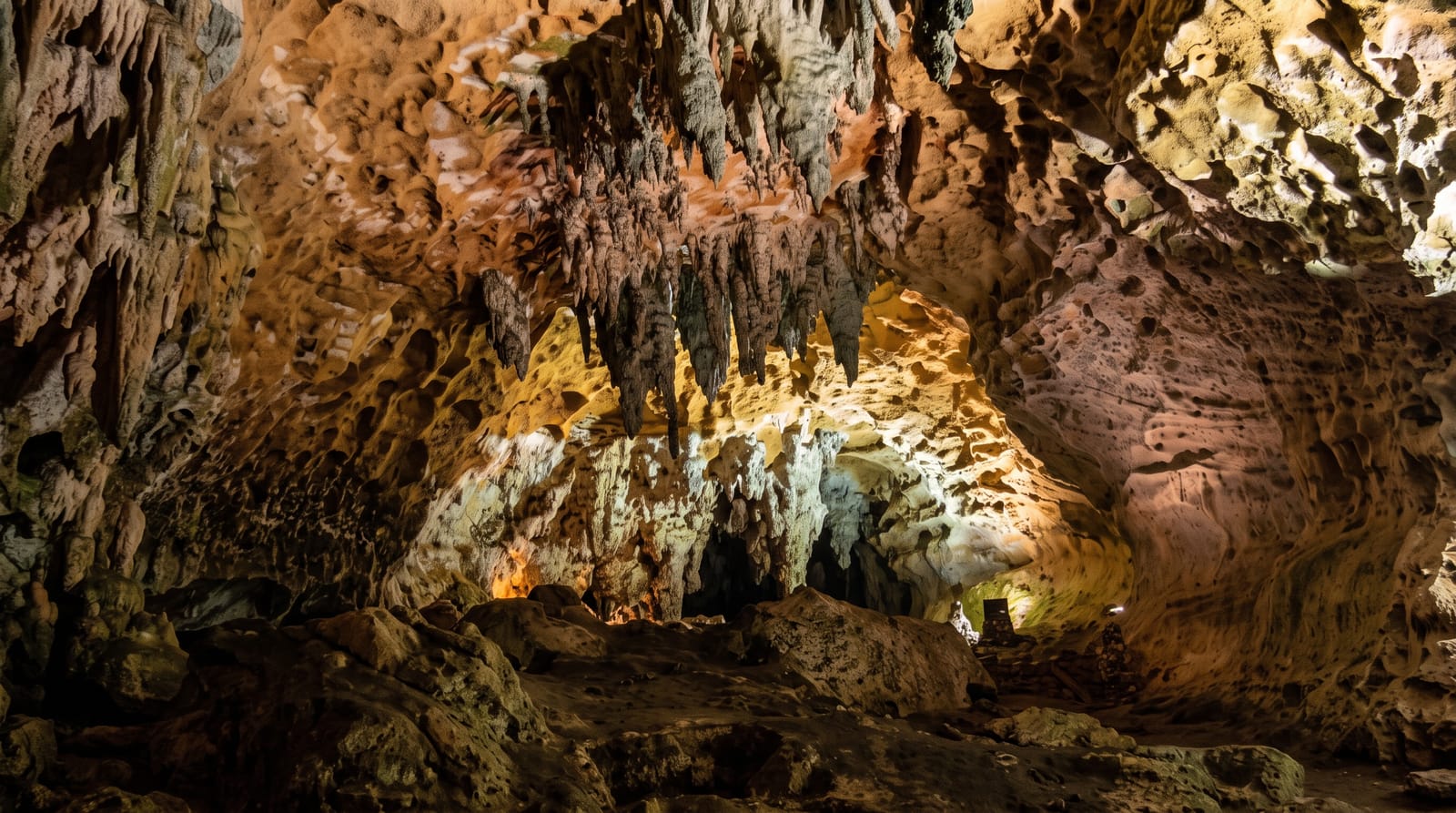
Oxkutzcab's market and Loltun caves, Ticul's pottery and the rest of the convent-route churches all lie within half an hour.
Key facts
Source: Wikidata, item Q957947, read on 18 October 2026.
What to pack for Mani
Chosen from what this place is for. Tap a kit for the full checklist.
- Head torch + spare batteries - Hands-free light is essential; caves are truly dark. Find on Amazon
- Comfortable walking shoes - Sightseeing means kilometres of pavement and cobbles daily. Find on Amazon
- Modest clothing - Shoulders and knees covered - the single most common requirement. Find on Amazon
- Grippy closed shoes - Cave floors are wet, muddy and slick with formations. Find on Amazon
Some links on this page are Amazon affiliate links - if you buy through them we may earn a small commission at no extra cost to you.
All packing kitsPlan your trip
Where to start if Mani is going on the list.
Booking links on this page are affiliate links - if you book through them we may earn a small commission at no extra cost to you. It never changes what we write about a place.
Opening times, ticket prices and seasonal closures change - check the official source before you go: official site.