Guanajuato
A jewel-box colonial city of the silver country - a tumble of brightly coloured houses on steep hillsides, threaded by tunnels and alleys, a lively UNESCO university town.
Updated 18 October 2026

AI illustration
UNESCO World Heritage
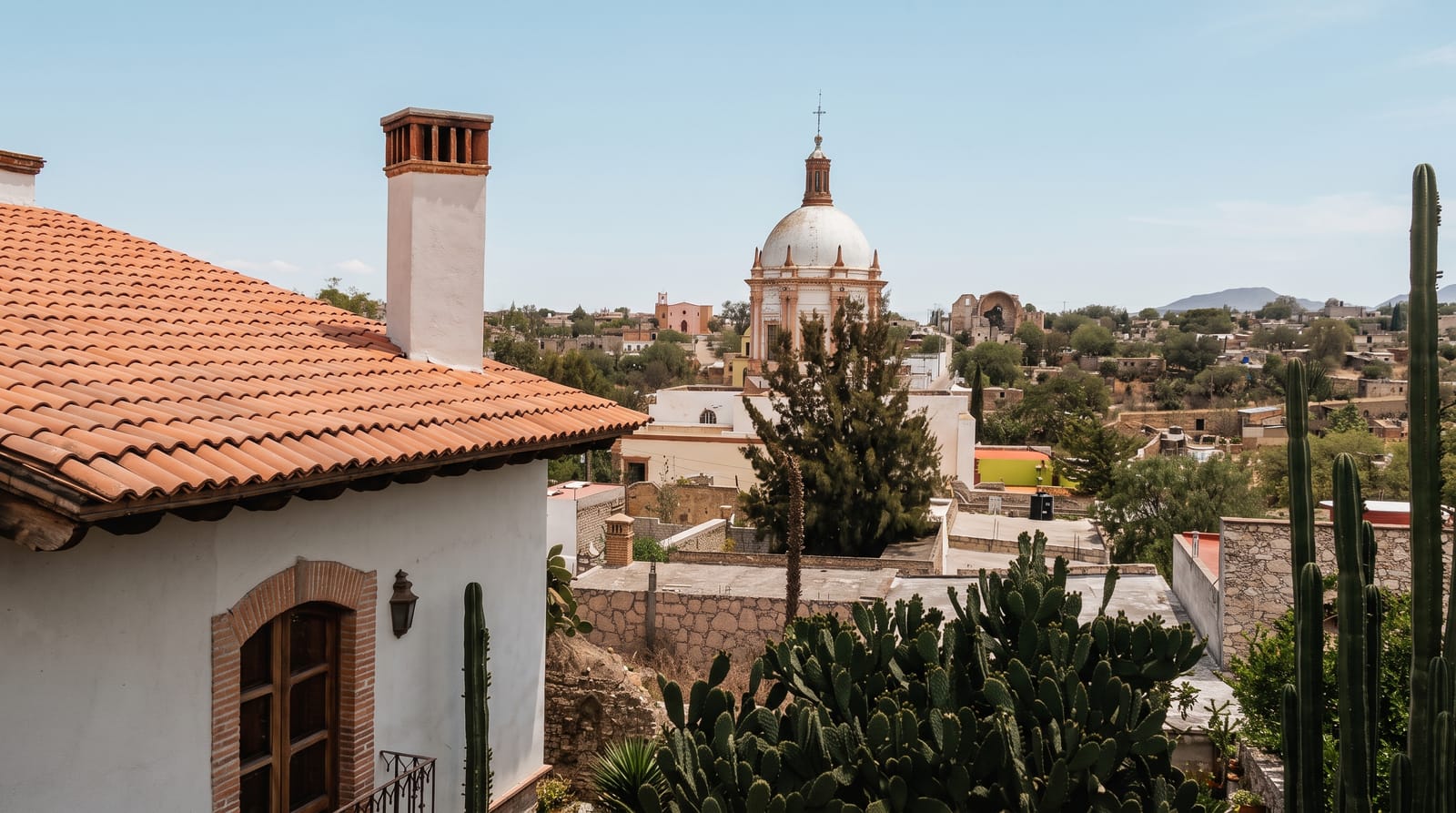
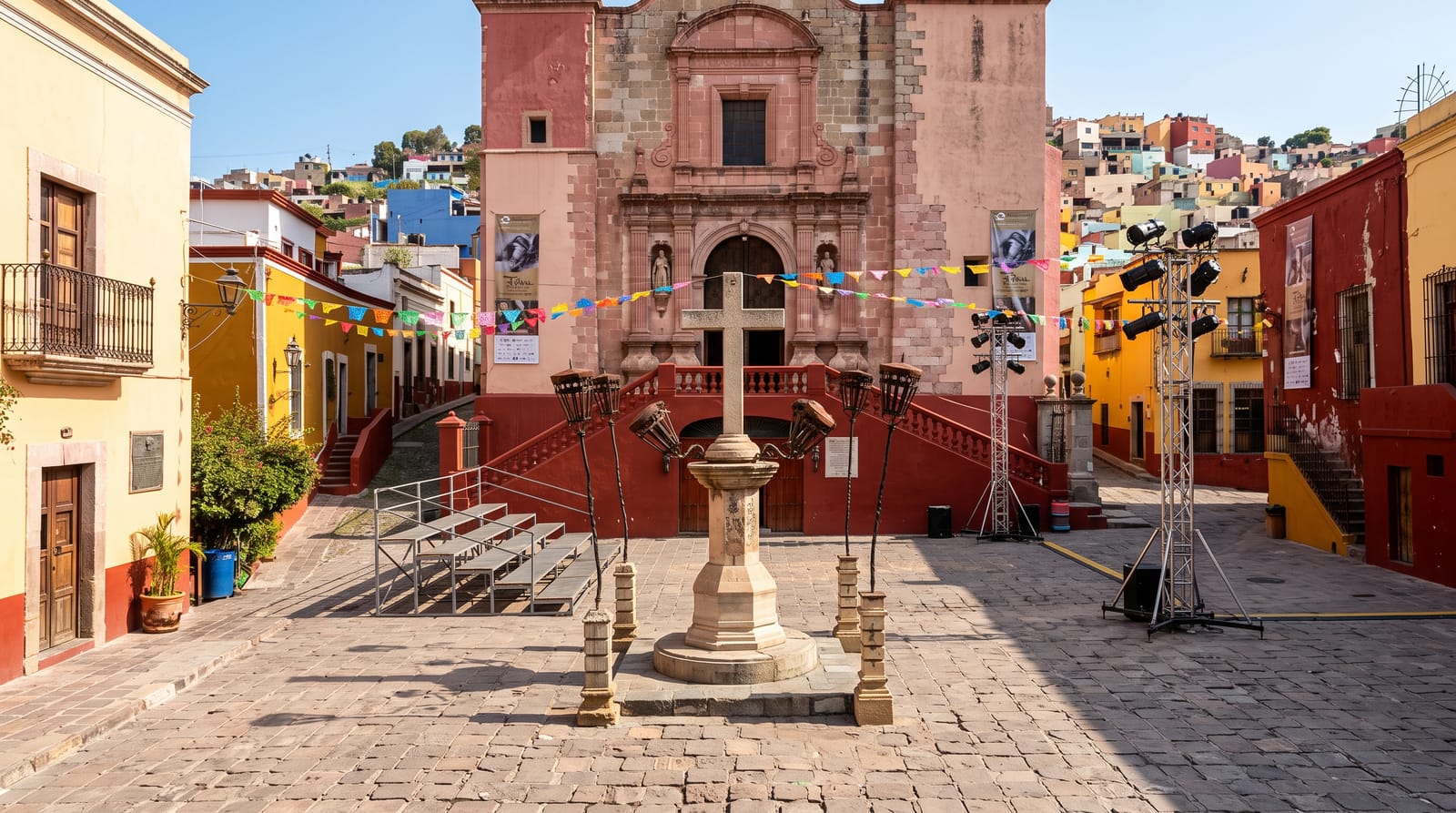
Guanajuato is one of Mexico's most beautiful cities, a UNESCO jewel of the colonial silver country where brightly coloured houses tumble down steep ravine hillsides in a joyful jumble. Its centre of plazas, baroque churches and a grand theatre is threaded by twisting alleys and a network of tunnels built into old riverbeds, and as a lively university town it hums with students, music and festivals.
History
The first known inhabitants were the Otomi, later displaced by the Chichimeca, and the oldest name for the place, Mo-o-ti, means place of metals; the Aztecs mined here for ornaments, and the present name comes from the Purépecha for frog hill. The Spanish found gold in the 1540s, and in 1548 the viceroy Antonio de Mendoza formally founded the outpost of Real de Minas de Guanajuato; despite Chichimeca attacks it grew quickly, its first church was consecrated in 1555, and the discovery of the San Bernabé vein, which produced until 1928, drew thousands more and led to other mines such as Rayas and Valenciana, making Guanajuato one of the great mining centres of the Americas. In September 1810, after Miguel Hidalgo raised his insurgent army at nearby Dolores, the first battle of the War of Independence was fought here at the Alhóndiga de Granaditas, where royalist troops and much of the elite had taken refuge, and in 1988 the historic centre and nearby mines became a World Heritage Site (Wikipedia, Guanajuato (city)).
What's there
- The colourful hillsides - the tumble of brightly painted houses on the ravine.
- The plazas and theatre - the elegant squares and the Juarez Theatre.
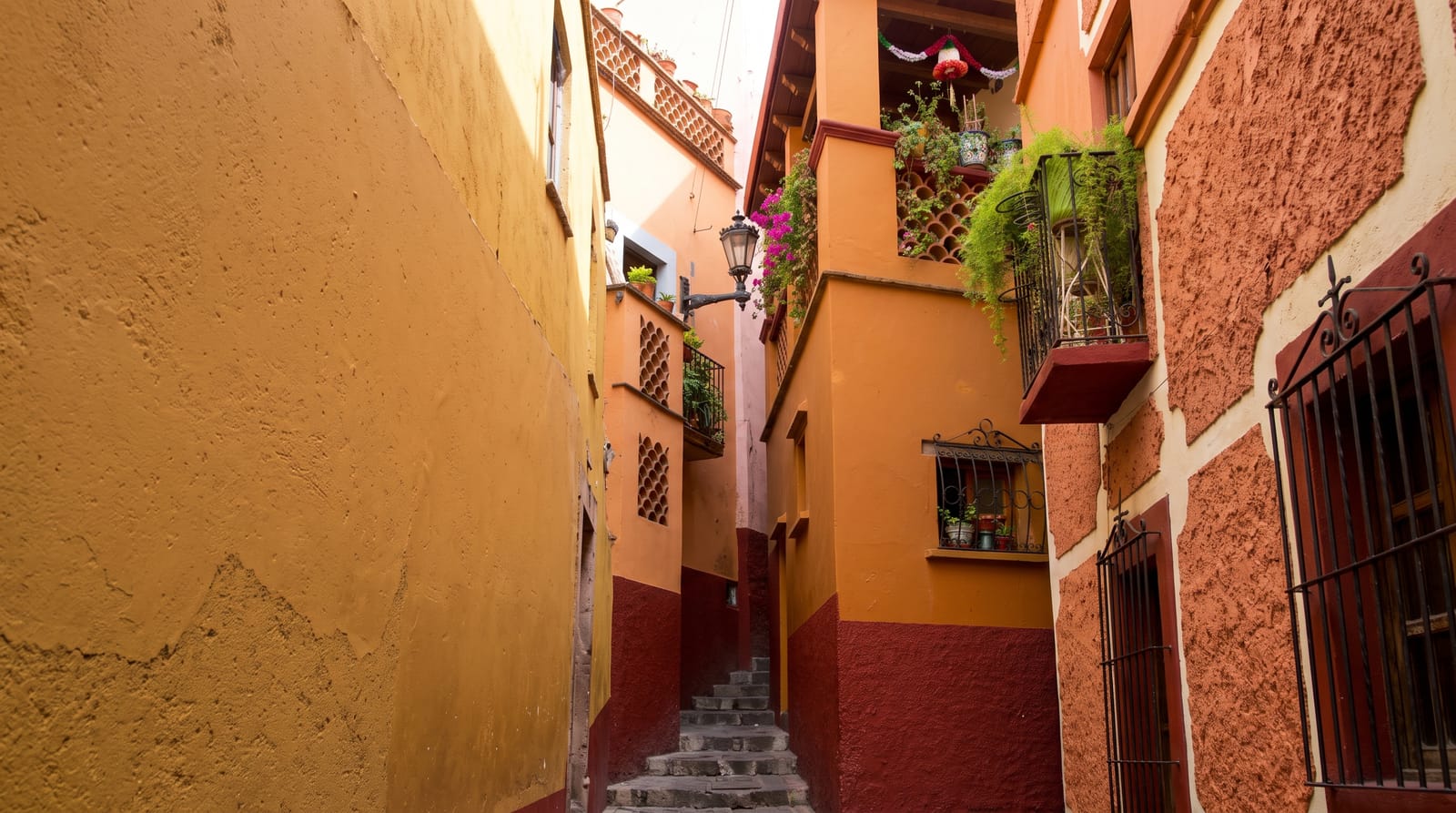
- The tunnels and alleys - the underground roads and the Alley of the Kiss.
- The viewpoint - the Pipila monument overlook over the whole city.
When to go
Year-round thanks to the mild highland climate; the dry season from October to May is best. The Cervantino arts festival in October fills the city with music and theatre but also crowds.
Before you go
It is steep and hilly, a city for walking up and down, tiring on the legs, and the tunnels can be confusing to navigate by car. It is a joy to get lost in, but bring good shoes. It is popular with Mexican tourists and students, lively and often busy, especially during festivals.
Nearby
The colonial town of San Miguel de Allende and the pyramids of the region are close.
Key facts
Source: Wikidata, item Q46475, read on 18 October 2026.
What to pack for Guanajuato
Chosen from what this place is for. Tap a kit for the full checklist.
- Head torch + spare batteries - Hands-free light is essential; caves are truly dark. Find on Amazon
- Comfortable walking shoes - Sightseeing means kilometres of pavement and cobbles daily. Find on Amazon
- Grippy closed shoes - Cave floors are wet, muddy and slick with formations. Find on Amazon
- A slim anti-theft daypack - Zips that close properly; keep it in front in crowds and on transit. Find on Amazon
Some links on this page are Amazon affiliate links - if you buy through them we may earn a small commission at no extra cost to you.
All packing kitsPlan your trip
Where to start if Guanajuato is going on the list.
Booking links on this page are affiliate links - if you book through them we may earn a small commission at no extra cost to you. It never changes what we write about a place.
Opening times, ticket prices and seasonal closures change - check the official source before you go: official site.