Beirut
The resilient capital of contrasts - Lebanon's storied Mediterranean capital, once the Paris of the Middle East, of a seafront Corniche, layers of history from Roman ruins to rebuilt downtown, a legendary food and nightlife scene, and the indomitable spirit of a city that has weathered war and disaster.
Updated 18 October 2026
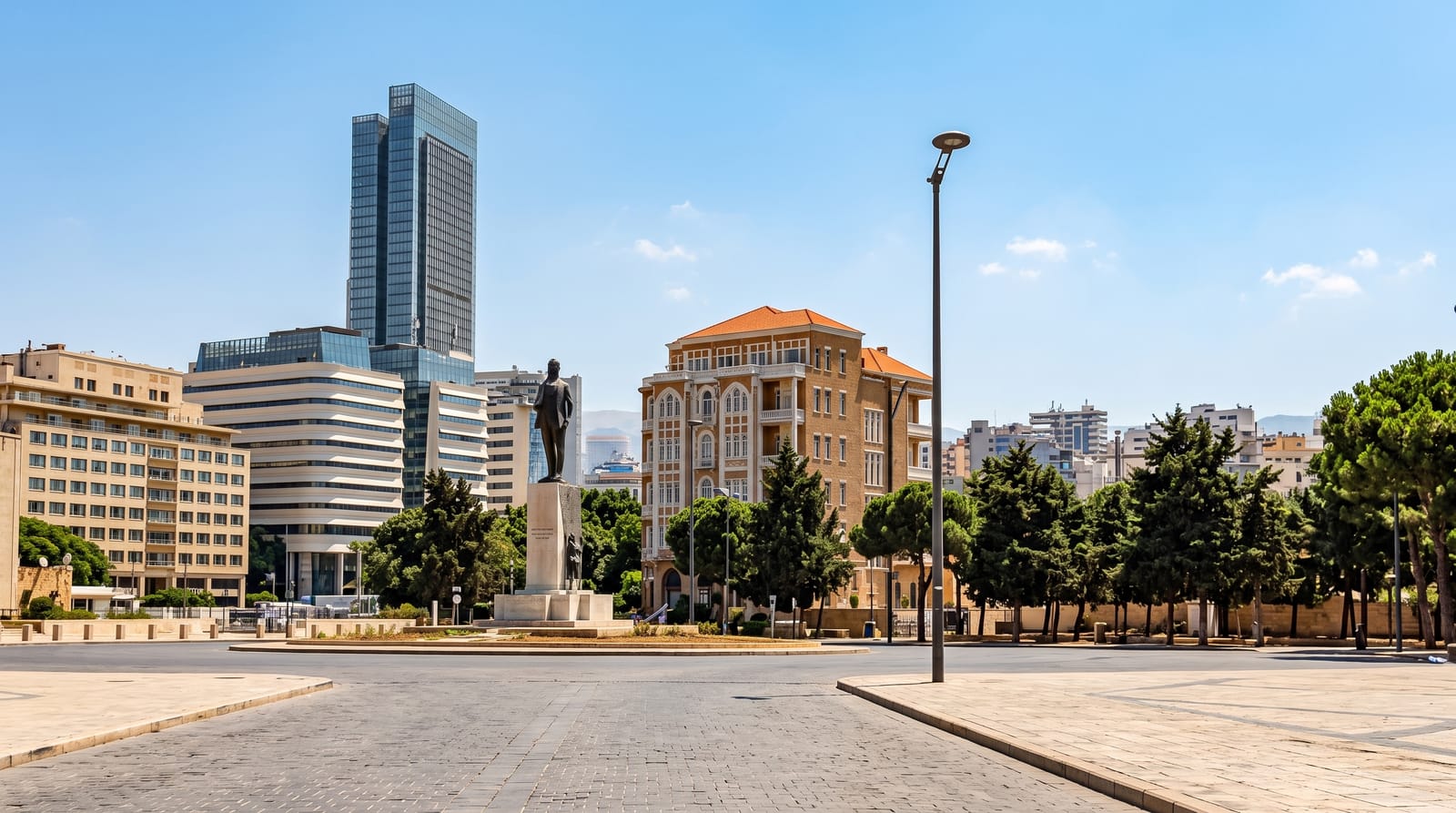
AI illustration
Beirut, the capital of Lebanon, is a storied, layered Mediterranean city, once famed as the Paris of the Middle East, built and rebuilt many times over, and it endures with an energy that surprises first-time visitors. A city of dramatic contrasts, it blends layers of history, Roman baths, Ottoman and French-mandate architecture, and a rebuilt downtown, with a seafront Corniche promenade beneath the landmark Pigeon Rocks, the excellent National Museum, and, above all, a legendary food, cafe, art and nightlife scene. Raw, sophisticated, battered and vibrant, Beirut is a fascinating and moving city.
History
In 140 BC a war over the Seleucid throne wrecked the Phoenician city, and it was rebuilt on a Hellenistic plan as Laodicea in Phoenicia; Pompey took it in 64 BC and restored the old name, Berytus. In 14 BC it became a Roman colony with full Italian rights, settled by veterans of two legions, and it grew into the only mainly Latin-speaking area of its province. Its law school was famous across the empire - the jurists Papinian and Ulpian taught there, and in AD 533 Justinian made it one of the three official law schools - until a great earthquake in 551 left the coast in ruins and the students moved to Sidon. Salvage excavations since 1993 have uncovered Roman baths, colonnaded streets, a circus and a theatre under the modern centre (Wikipedia, Beirut).
Background
Greater Beirut had 2.4 million people in 2025, just under half the population of Lebanon, on a peninsula halfway along the country's Mediterranean coast. People have lived in the city for more than 5,000 years, and in the surrounding area for tens of thousands of years before that. Its name first appears in the 14th century BC, in three Akkadian cuneiform tablets among the Amarna letters, which King Ammunira of Biruta wrote to Egypt's Amenhotep III or IV. Prehistoric sites in the city have yielded around 50 Acheulean bifaces, kept today by the Museum of Lebanese Prehistory. Beirut remains an important seaport for the country and the wider region, and Saint George is its patron saint.
Source: Wikipedia, "Beirut"
Highlights
- The Corniche - the seafront promenade and Pigeon Rocks.
- The National Museum - the superb collection of Lebanese antiquities.
- The layered history - the Roman baths and mandate-era architecture.
- The food and nightlife - the legendary dining, cafes and bars.
When to go
Spring, April to June, and autumn, September to November, for the mildest, most pleasant weather; the city's cafe, food and nightlife scene is lively year-round.
Good to know
Beirut's resilience, its layers of history, its legendary food and nightlife and its complex, sophisticated soul make it a genuinely fascinating, moving and unforgettable city.
Nearby
Byblos, the Jeita Grotto and the mountains behind the city are within reach.
Key facts
Source: Wikidata, item Q3820, read on 18 October 2026.
What to pack for Beirut
Chosen from what this place is for. Tap a kit for the full checklist.
- Head torch + spare batteries - Hands-free light is essential; caves are truly dark. Find on Amazon
- Comfortable walking shoes - Sightseeing means kilometres of pavement and cobbles daily. Find on Amazon
- Grippy closed shoes - Cave floors are wet, muddy and slick with formations. Find on Amazon
- A slim anti-theft daypack - Zips that close properly; keep it in front in crowds and on transit. Find on Amazon
Some links on this page are Amazon affiliate links - if you buy through them we may earn a small commission at no extra cost to you.
All packing kitsPlan your trip
Where to start if Beirut is going on the list.
Booking links on this page are affiliate links - if you book through them we may earn a small commission at no extra cost to you. It never changes what we write about a place.
Opening times, ticket prices and seasonal closures change - check the official source before you go: official site.