Djibouti City
A crossroads port of the Horn of Africa - Djibouti's hot, cosmopolitan capital, where French colonial and Arabesque architecture, bustling markets and a strategic harbour meet a melting-pot of Afar, Somali, Arab and international life at the mouth of the Red Sea.
Updated 21 October 2026
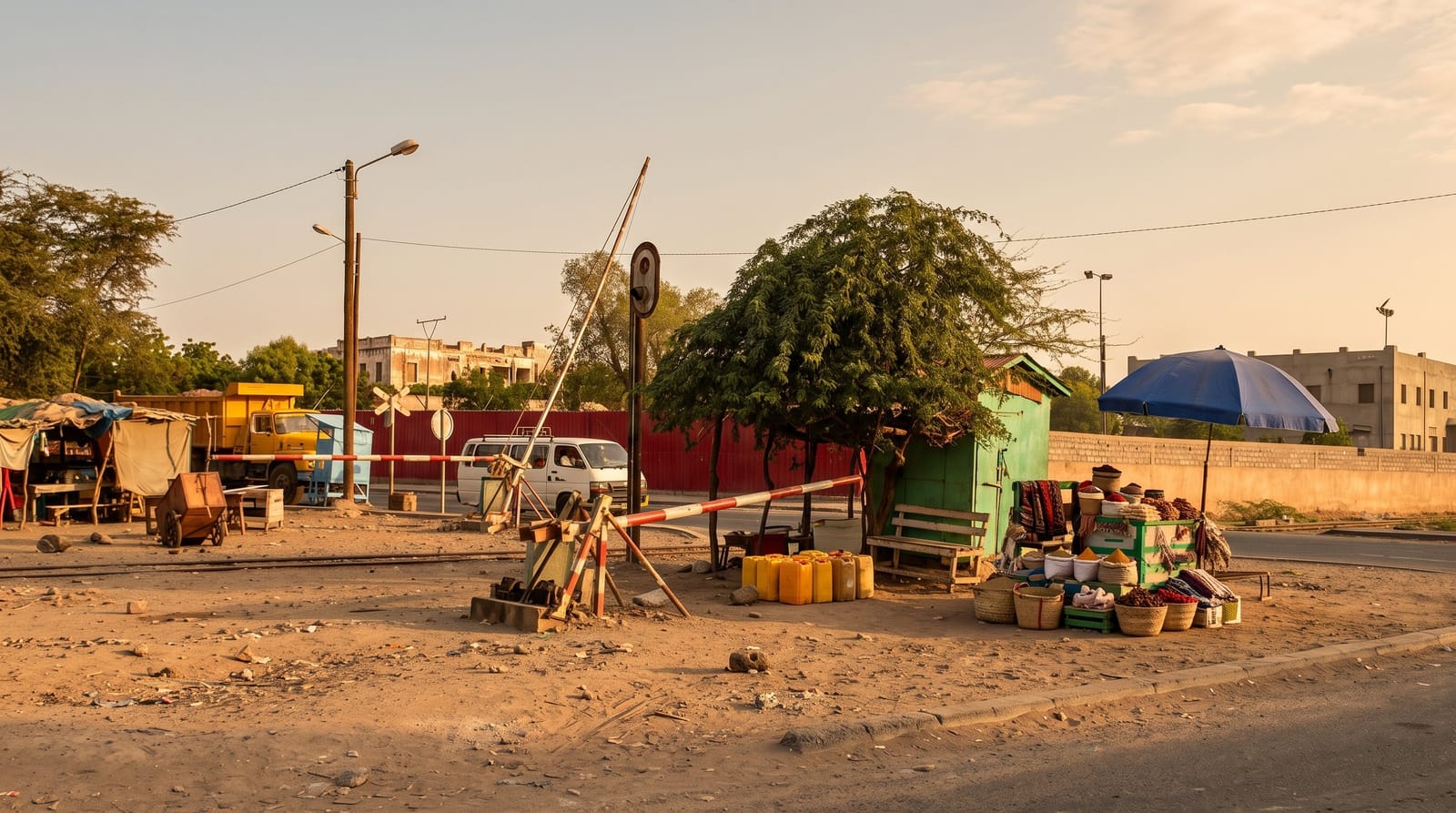
AI illustration
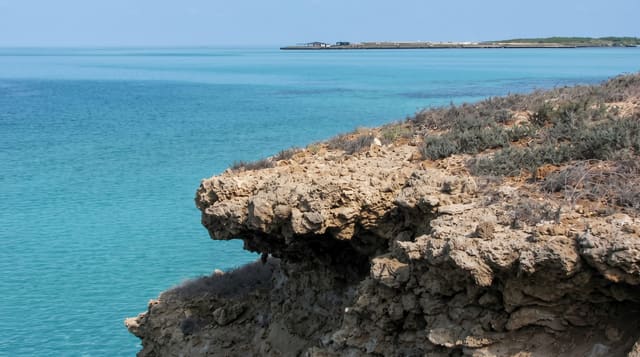
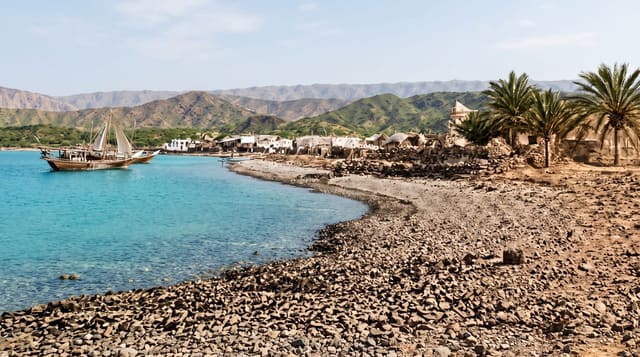
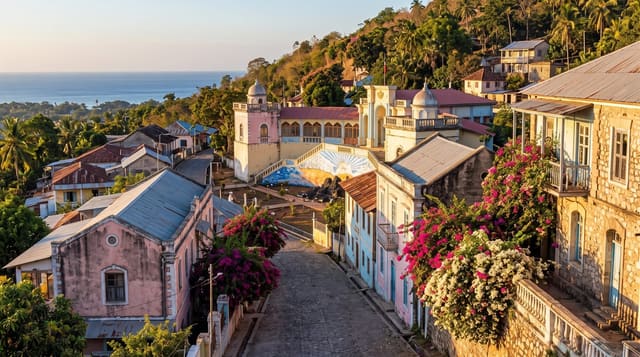
Djibouti City, the capital of the tiny nation, is a hot, cosmopolitan port city strategically positioned where the Red Sea meets the Gulf of Aden, long a crossroads of trade and cultures. Its centre blends faded French colonial architecture with white Arabesque buildings, arcaded streets and mosques, centred on the Place Menelik and the bustling, colourful Central Market, where Afar, Somali, Arab, Ethiopian and international influences mingle. More a functional, atmospheric hub than a city of grand sights, it serves as the base for exploring Djibouti's extraordinary volcanic and salt landscapes and its whale-shark waters.
History
There is evidence of human settlement on Djibouti's eastern coast going back to the Bronze Age. The French founded Djibouti in 1888, on a stretch of coast with no town on it, preferring it to Obock for its harbour and its nearness to Harar, and it soon became the starting point for caravans to Harar; the nearby village of Ambouli has been identified with Canbala on al-Idrisi's map of 1192. The settlement became the capital of French Somaliland in 1896, under its first governor Léonce Lagarde, and it grew after the Franco-Ethiopian Railway was built: by 1895 it had 5,000 inhabitants, Issa and Afar nomads settled in what is now the centre and worked as dockers, Yemeni, Egyptian, Greek, Armenian and Italian merchants arrived, and the date palm farms and orchards of Ambouli flourished. By the start of the 20th century Djibouti had 10,000 inhabitants and was a major regional port, chiefly supplying French ships on their way to Indochina and Madagascar (Wikipedia, Djibouti City).
What's there
- The Central Market - the bustling, colourful market.
- The colonial and Arabesque architecture - the faded French and white buildings.
- Place Menelik - the historic central square.
- The harbour and melting-pot life - the strategic port and cultures.
When to go
November to March, the cooler season, for the most bearable weather, as Djibouti is one of the hottest countries on earth with fierce summer heat; the city is best explored in the cooler morning and evening hours. It is the arrival point and base for onward trips to the salt lakes, chimneys and the gulf.
What to expect
Djibouti City is a hot, dusty and expensive port city with modest attractions, so it is more a functional, atmospheric gateway than a sightseeing destination, and the fierce heat is a major factor. As an atmospheric Horn of Africa crossroads of cultures and the essential base for Djibouti's extraordinary natural wonders, though, the capital is a worthwhile if brief stop.
Nearby
Lake Assal, the Gulf of Tadjoura and the volcanic interior are within reach.
Key facts
Source: Wikidata, item Q3604, read on 18 October 2026.
What to pack for Djibouti City
Chosen from what this place is for. Tap a kit for the full checklist.
- Binoculars - The single best wildlife tool - even a compact pair transforms a sighting. Find on Amazon
- Comfortable walking shoes - Sightseeing means kilometres of pavement and cobbles daily. Find on Amazon
- Modest clothing - Shoulders and knees covered - the single most common requirement. Find on Amazon
- A zoom camera or long lens - Animals rarely come close; reach beats megapixels. Find on Amazon
Some links on this page are Amazon affiliate links - if you buy through them we may earn a small commission at no extra cost to you.
All packing kitsPlan your trip
Where to start if Djibouti City is going on the list.
Booking links on this page are affiliate links - if you book through them we may earn a small commission at no extra cost to you. It never changes what we write about a place.
Opening times, ticket prices and seasonal closures change - check the official source before you go: official site.