Aammiq Wetland
The largest surviving marsh in Lebanon, on the western Bekaa floor, a major stop on the raptor migration route.
Updated 1 September 2026
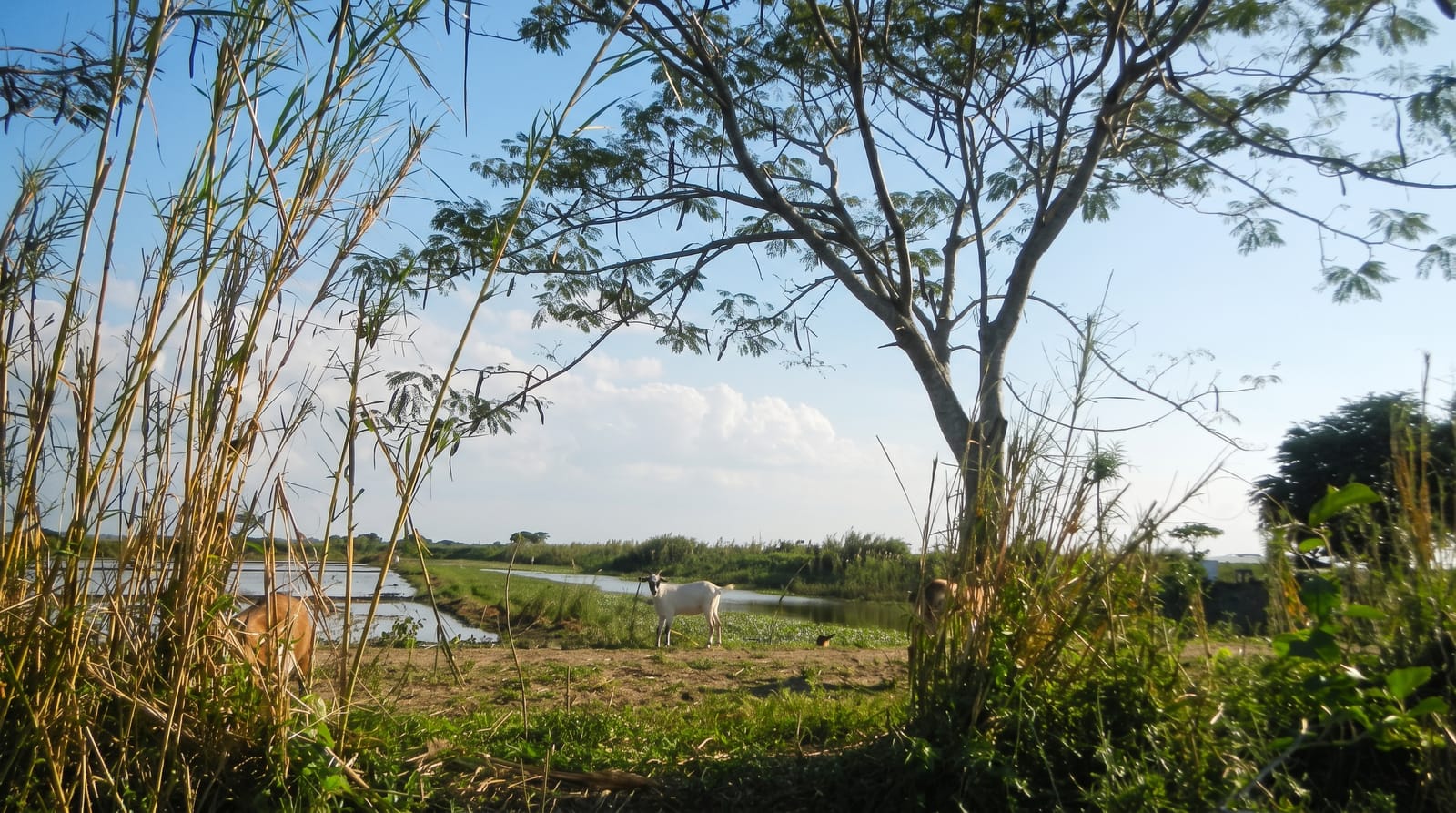
Aammiq is what remains of the marshes that once covered much of the Bekaa floor, fed by springs at the foot of the Barouk range and flooded through the winter and spring. It is the only significant wetland left in the country and sits under one of the world's major raptor flyways: storks, pelicans and birds of prey pass over in large numbers in spring and autumn. A conservation project has managed the site with the landowning family since the 1990s.
The landscape
- The raptor migration - storks, pelicans and birds of prey passing in spring and autumn.
- The marsh - reedbed and open water on the Bekaa floor, at its fullest in spring.
- The Barouk backdrop - the cedar-topped range rising directly to the west.
- The breeding birds - herons, warblers and waders using the reedbed in summer.
When to go
March to May and September to November are the migration windows and the reason to come. By late summer much of the marsh is dry. Early morning gives the best activity.
Practical notes
Water levels vary sharply and a summer visit can find bare mud. Access is across private land and should be arranged rather than assumed. There are no hides and no visitor facilities on the marsh.
Nearby
The Chouf cedar reserve is above on the ridge, and Zahle is northeast.
Key facts
Source: Wikidata, item Q4661504, read on 18 October 2026.
What to pack for Aammiq Wetland
Chosen from what this place is for. Tap a kit for the full checklist.
- Broken-in walking shoes or boots - Grip and ankle support matter more than looks; never hike in brand-new boots. Find on Amazon
- Layers + a waterproof shell - Mountain weather turns fast; a packable rain jacket saves the day. Find on Amazon
- Daypack with rain cover - 20-30 litres holds water, snacks, layers and a first-aid kit. Find on Amazon
- Offline maps + a power bank - Download the trail before you lose signal; carry backup charge. Find on Amazon
Some links on this page are Amazon affiliate links - if you buy through them we may earn a small commission at no extra cost to you.
All packing kitsPlan your trip
Where to start if Aammiq Wetland is going on the list.
Booking links on this page are affiliate links - if you book through them we may earn a small commission at no extra cost to you. It never changes what we write about a place.
Opening times, ticket prices and seasonal closures change - check the official source before you go: official site.