Pakse
The southern hub at the meeting of the Xe Don and the Mekong, more a base for the region than a destination in itself.
Updated 20 October 2026
Pakse sits where the Xe Don runs into the Mekong and is the largest town in southern Laos, the place everything in the region is reached from: the Bolaven Plateau east, Wat Phou south, the Four Thousand Islands further down the river. The town itself is low-rise and busy rather than pretty, with a morning market, a few wats and the unfinished bulk of the Champasak Palace, built for the last prince of the region and now a hotel. Most visitors treat it as a night either side of somewhere else, which is a fair reading of it.
History
The French set up an administrative outpost at Pakse in 1905, and the town was the capital of the Lao Kingdom of Champasak until 1946, when the Kingdom of Laos was formed (Wikipedia, Pakse).
The main sights
- The river confluence - the Xe Don meeting the Mekong, with bridges over both.
- Dao Heuang market - the big daily market, strongest in the early morning for produce and coffee.
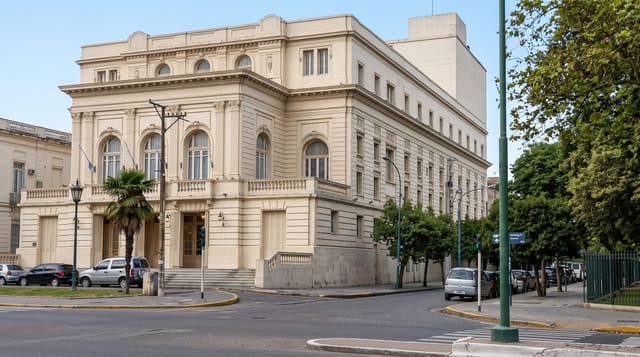
- Champasak Palace - a large 1960s building begun for the last prince of Champasak, now a hotel.
- Wat Luang - the town's main temple, with a monastic school and a riverside compound.
When to go
November to February is dry and manageable. March to May is very hot in the lowlands here. The Bolaven coffee harvest from November to February brings the plateau's produce down into the markets.
Before you go
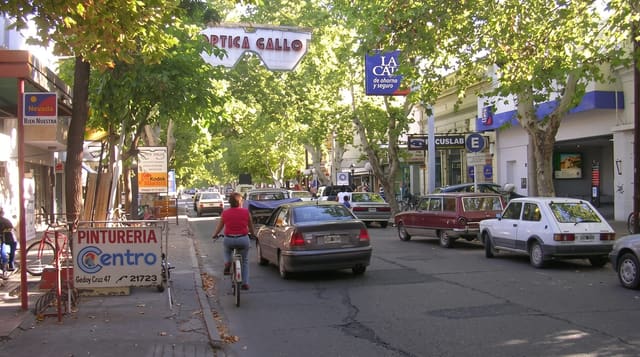
Pakse is a working town without much charm, and nobody comes for it. The traffic on the main roads is heavy and the riverfront is not developed for walking. Its value is as a base and a transport hub, which it does well.
Nearby
Champasak and Wat Phou are an hour south, and the Bolaven Plateau begins forty minutes east.
Key facts
Source: Wikidata, item Q383622, read on 18 October 2026.
What to pack for Pakse
Chosen from what this place is for. Tap a kit for the full checklist.
- Comfortable walking shoes - Sightseeing means kilometres of pavement and cobbles daily. Find on Amazon
- Modest clothing - Shoulders and knees covered - the single most common requirement. Find on Amazon
- A slim anti-theft daypack - Zips that close properly; keep it in front in crowds and on transit. Find on Amazon
- A scarf or shawl - To cover the head or shoulders on entry; women especially at mosques. Find on Amazon
Some links on this page are Amazon affiliate links - if you buy through them we may earn a small commission at no extra cost to you.
All packing kitsPlan your trip
Where to start if Pakse is going on the list.
Booking links on this page are affiliate links - if you book through them we may earn a small commission at no extra cost to you. It never changes what we write about a place.
Opening times, ticket prices and seasonal closures change - check the official source before you go: official site.