Fourteen Falls
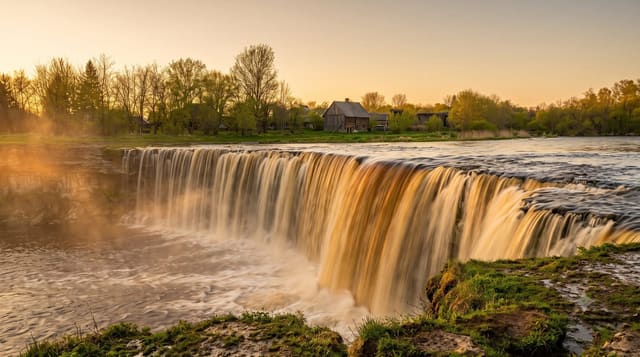
A wide curtain of water on the Athi River near Thika, breaking into many channels over a rock shelf.
Updated 21 October 2026
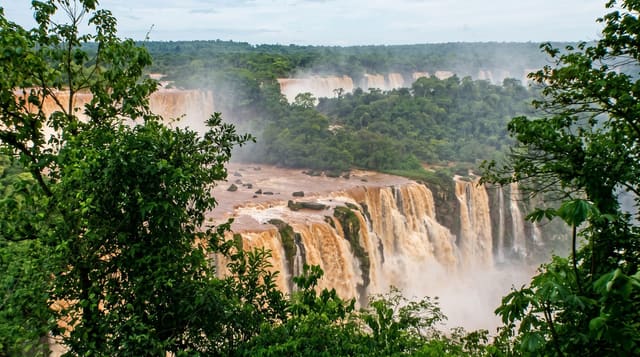
Fourteen Falls is not tall, around twenty-seven metres, but it is wide: the Athi river spreads across a rock shelf and drops in a broad ragged curtain that splits into many separate streams at low water, which is where the name comes from. In full flow after the rains the channels merge into a single thundering sheet and the spray reaches the viewing area. Ol Donyo Sabuk mountain rises behind, and the two are usually visited together as an easy day out from Nairobi. The site has long had a reputation for two problems: pollution, since the Athi carries industrial and domestic waste from Nairobi upstream and the water is visibly dirty, and pushy guides at the entrance. Local divers sometimes offer to leap from the rocks for tips.
Highlights
- The wide curtain - the river dropping across a broad rock shelf.
- The channel effect - many separate streams at low water.
- Ol Donyo Sabuk - the mountain rising behind the falls.
- The riverside path - viewing points along the bank.
When to go
After the rains, April to June or November, for the fullest flow; in dry months the falls thin considerably. Weekdays are much quieter than weekends. Mornings are best for both light and crowds.
Practical notes
The water is polluted, with visible waste and foam at times, so this is a place to look at rather than enter. Guides and touts at the entrance are persistent and prices should be agreed up front. Do not encourage the cliff jumpers. The site is littered in places.
Nearby
Ol Donyo Sabuk National Park is adjacent; Thika is half an hour away.
What to pack for Fourteen Falls
Chosen from what this place is for. Tap a kit for the full checklist.
- Broken-in walking shoes or boots - Grip and ankle support matter more than looks; never hike in brand-new boots. Find on Amazon
- Your own mask + snorkel - A well-fitting mask is the single biggest comfort upgrade underwater. Find on Amazon
- Layers + a waterproof shell - Mountain weather turns fast; a packable rain jacket saves the day. Find on Amazon
- Rash guard or thin wetsuit - Sun cover on the surface and warmth on longer or deeper dives. Find on Amazon
Some links on this page are Amazon affiliate links - if you buy through them we may earn a small commission at no extra cost to you.
All packing kitsPlan your trip
Where to start if Fourteen Falls is going on the list.
Booking links on this page are affiliate links - if you book through them we may earn a small commission at no extra cost to you. It never changes what we write about a place.
Opening times, ticket prices and seasonal closures change - check the official source before you go: official site.