The Jersey War Tunnels
A moving journey underground - the Jersey War Tunnels, a vast network of hand-dug tunnels turned museum, telling the poignant story of the island's wartime occupation through evocative displays deep beneath the hills.
Updated 18 October 2026
AI illustration
The Jersey War Tunnels, hewn deep into the island's hills, are one of Jersey's most powerful and moving attractions, an extensive complex of underground galleries that now house a thoughtful and evocative museum. Dug by hand at enormous human cost during the island's occupation in the Second World War, and intended as a bombproof shelter and hospital, the cool, echoing tunnels today tell the poignant story of those years, of hardship, resistance, forced labour and endurance, through absorbing displays, personal accounts and reconstructed scenes. Atmospheric and deeply affecting, the tunnels offer a memorable insight into a dramatic chapter of the island's history and a fitting tribute to those who lived through it.
History
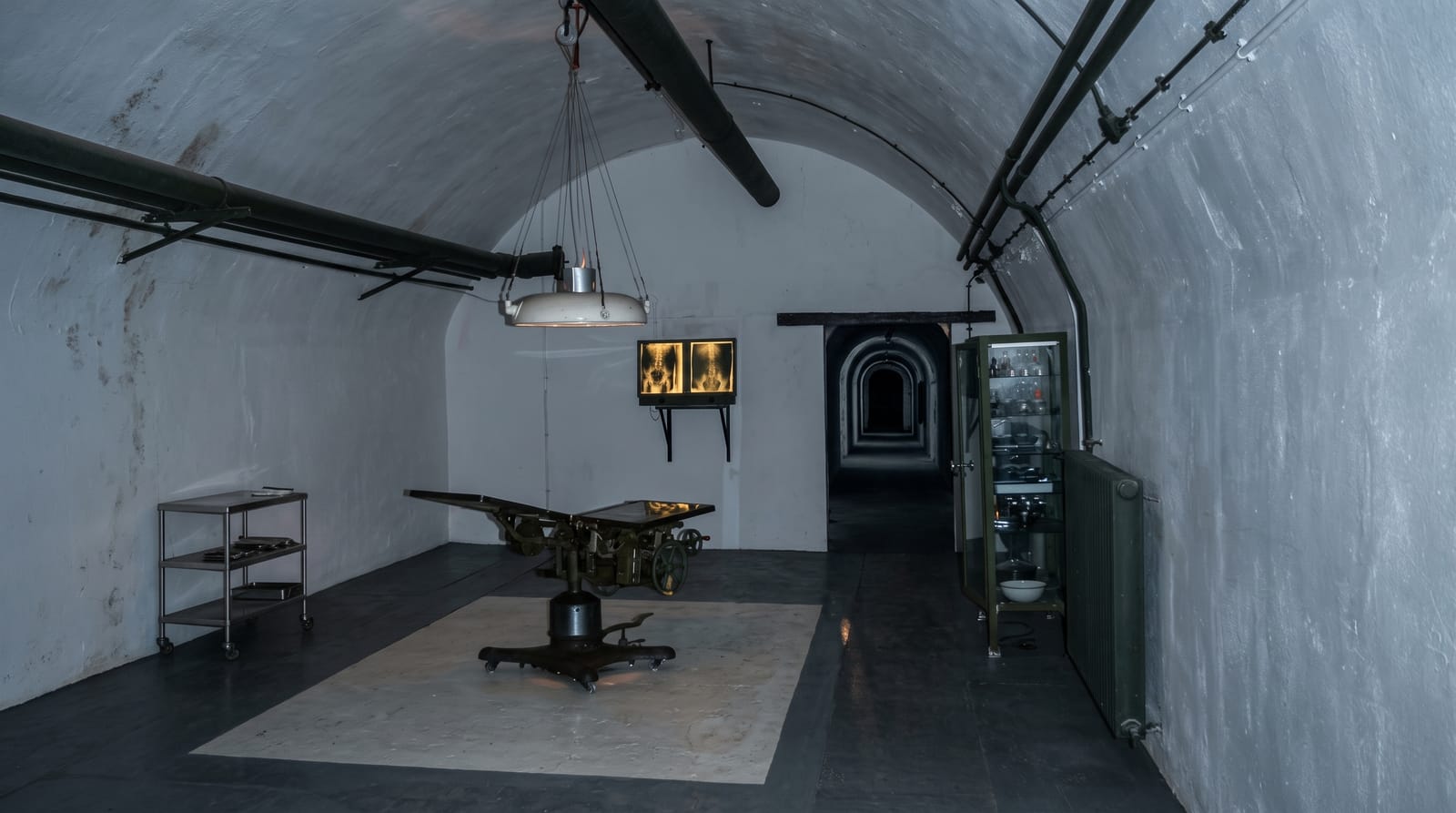
The tunnels, known to the Germans as Hohlgangsanlage 8, were begun after Hitler's order of October 1941 to fortify the Channel Islands, meant as shelter for the occupying troops against air raids and bombardment. They were dug by Organisation Todt labourers - many of them Polish, French, Russian or Republican Spanish - in terrible conditions, worst of all for Russian and Ukrainian prisoners, among whom malnutrition, disease and deaths from exhaustion were common, while paid volunteers earned several times local wages and often got extra rations. In late 1943, with an Allied invasion expected, the complex was turned into an emergency hospital with 500 beds and an operating theatre, and the unfinished tunnels were sealed. It was never used: the German forces on the islands surrendered on 9 May 1945, and the tunnels later became a museum of the occupation (Wikipedia, Hohlgangsanlage 8).
The main sights
- The hand-dug tunnels - the vast underground galleries.
- The occupation story - the poignant wartime displays.
- The personal accounts - the moving testimonies of islanders.
- The reconstructed hospital - the underground wartime scenes.
When to go
Year-round; the tunnels maintain a cool, constant temperature and make an excellent all-weather attraction, especially welcome on rainy days. Allow time to absorb the moving displays fully, and note that opening can be seasonal in the quietest winter months.
What to expect
The subject matter is sombre and moving, and the tunnels are cool and dimly lit, so a visit is reflective rather than light entertainment, though all the more memorable for it. As a vast, atmospheric network of hand-dug tunnels telling the poignant story of the island's occupation, though, the Jersey War Tunnels are a genuinely powerful and worthwhile experience.
Nearby
The countryside of central Jersey and the capital St Helier lie nearby.
Key facts
Source: Wikidata, item Q12060361, read on 18 October 2026.
What to pack for The Jersey War Tunnels
Chosen from what this place is for. Tap a kit for the full checklist.
- Head torch + spare batteries - Hands-free light is essential; caves are truly dark. Find on Amazon
- Comfortable walking shoes - Sightseeing means kilometres of pavement and cobbles daily. Find on Amazon
- Grippy closed shoes - Cave floors are wet, muddy and slick with formations. Find on Amazon
- A slim anti-theft daypack - Zips that close properly; keep it in front in crowds and on transit. Find on Amazon
Some links on this page are Amazon affiliate links - if you buy through them we may earn a small commission at no extra cost to you.
All packing kitsPlan your trip
Where to start if The Jersey War Tunnels is going on the list.
Booking links on this page are affiliate links - if you book through them we may earn a small commission at no extra cost to you. It never changes what we write about a place.
Opening times, ticket prices and seasonal closures change - check the official source before you go: official site.