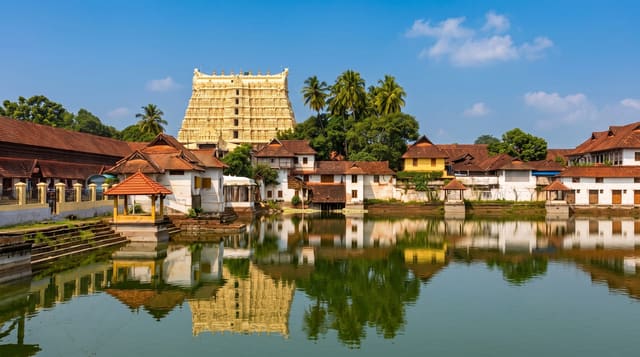
To-ji
The tallest wooden pagoda in Japan, beside a hall of Esoteric Buddhist sculpture arranged as a three-dimensional mandala.
Updated 21 October 2026
UNESCO World Heritage
To-ji was founded in 796 as one of two temples guarding the gates of the new capital, and in 823 it was given to Kukai, who made it the headquarters of Shingon esoteric Buddhism. The pagoda is the landmark: 54.8 metres, the tallest wooden pagoda in Japan, rebuilt in 1644 after several fires and visible from the shinkansen as it comes into Kyoto. The Kodo, the lecture hall, is the substance of the visit - twenty-one sculptures from the ninth century onward arranged in a fixed spatial pattern that renders a mandala in three dimensions, with Dainichi at the centre; it is the earliest such arrangement in Japan and remains as Kukai set it. On the twenty-first of each month the grounds host Kobo-san, a large flea market of antiques, ceramics, tools and food that has run for centuries.
History
Tō-ji was founded in 796, two years after the capital moved to Heian-kyō, as one of only three Buddhist temples allowed in the city, standing with its partner Sai-ji beside the Rashōmon gate; it is the only one of the three to survive. In 823 Emperor Saga put the monk Kūkai, Kōbō Daishi, in charge of it; the temple declined at the end of the Heian period and revived with the worship of Kōbō Daishi in the Kamakura period, and in 1994 it became part of the Historic Monuments of Ancient Kyoto World Heritage Site (Wikipedia, Tō-ji).
What to look for
- A 54.8-metre pagoda - the tallest wooden pagoda in Japan, rebuilt in 1644.
- A three-dimensional mandala - twenty-one sculptures arranged in the Kodo as Kukai set them.
- Kukai's headquarters - the centre of Shingon esoteric Buddhism since 823.
- Kobo-san - a large flea market in the grounds on the twenty-first of every month.
When to go
The twenty-first for the market; spring evenings for the lit cherry. Two hours.
Things to know
The pagoda interior opens only on special occasions. Entry charges apply to the halls, not the outer grounds. The Kodo is dim and photography is restricted. Market days are crowded and the temple atmosphere is different then.
Nearby
Kyoto station is north-east; Fushimi Inari is south-east.
Key facts
Source: Wikidata, item Q1046403, read on 18 October 2026.
What to pack for To-ji
Chosen from what this place is for. Tap a kit for the full checklist.
- Comfortable walking shoes - Sightseeing means kilometres of pavement and cobbles daily. Find on Amazon
- Modest clothing - Shoulders and knees covered - the single most common requirement. Find on Amazon
- A slim anti-theft daypack - Zips that close properly; keep it in front in crowds and on transit. Find on Amazon
- A scarf or shawl - To cover the head or shoulders on entry; women especially at mosques. Find on Amazon
Some links on this page are Amazon affiliate links - if you buy through them we may earn a small commission at no extra cost to you.
All packing kitsPlan your trip
Where to start if To-ji is going on the list.
Booking links on this page are affiliate links - if you book through them we may earn a small commission at no extra cost to you. It never changes what we write about a place.
Opening times, ticket prices and seasonal closures change - check the official source before you go: official site.