Kappabashi
Eight hundred metres of restaurant supply shops, selling knives, lacquer, signage and the plastic food in Japanese windows.
Updated 20 October 2026
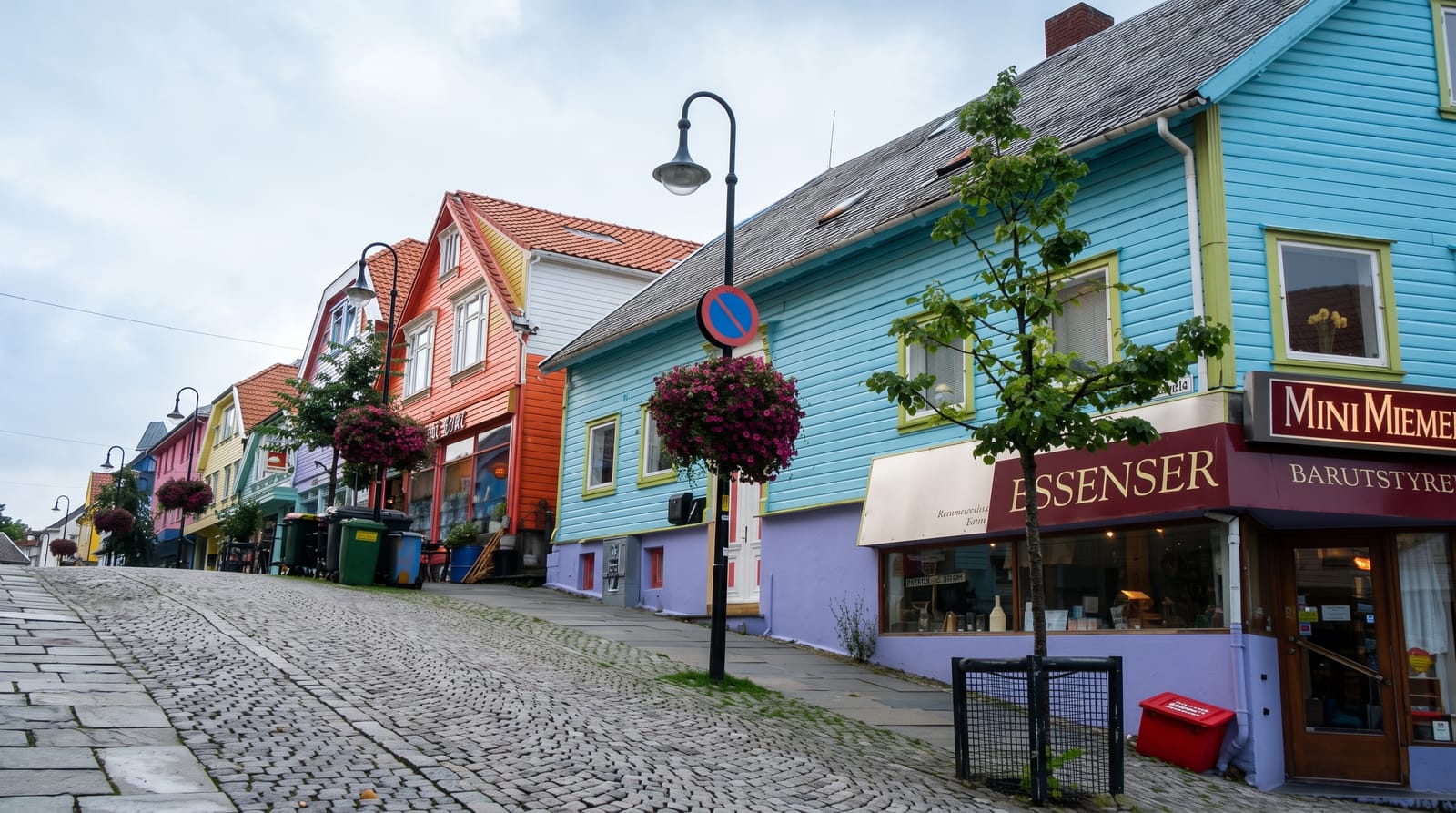
Kappabashi is where restaurants in Tokyo buy their equipment - about eight hundred metres of street with something over a hundred and seventy shops, each specialising: one sells only ceramics, one only lacquer, one only noren curtains, one only signage, one only bamboo baskets, several only knives. The knife shops are the reason many visitors come, and they carry the full range from stamped stainless to hand-forged carbon steel, with sharpening and engraving offered. The other draw is sampuru, the plastic food models that sit in Japanese restaurant windows: made from vinyl chloride, hand-painted, priced like the real dish several times over, and sold here both as trade goods and as souvenirs, with workshops where you can make one. It is a wholesale street that tolerates retail rather than a shopping district, and shops keep trade hours - early closing, and many shut on Sundays.
History
The street's name is thought to come either from the raincoats, kappa, that residents hung to dry on the bridge, or from a merchant, Kihachi Kappaya, who paid for the Shinhorikawa River to be dug for water management; because the name sounds like the mythical kappa, the shops have taken the creature as their mascot (Wikipedia, Kappabashi-dori).
What you'll find
- Trade specialisation - over 170 shops each selling one category of restaurant supply.
- Knives - stamped to hand-forged carbon steel, with sharpening and engraving.
- Sampuru - the plastic food of restaurant windows, sold and made in workshops.
- A wholesale street - trade hours, early closing and many Sunday closures.
When to go
Weekday mornings, when the trade shops are open. Two to three hours.
Practical notes
Many shops close on Sundays and most close by five or six. Some are wholesale only. Carbon steel knives rust and need care - ask before buying. Plastic food is expensive for what it is.
Nearby
Asakusa and Sensoji are east; Ueno is north-west.
Key facts
Source: Wikidata, item Q2977163, read on 18 October 2026.
What to pack for Kappabashi
Chosen from what this place is for. Tap a kit for the full checklist.
- Comfortable walking shoes - Sightseeing means kilometres of pavement and cobbles daily. Find on Amazon
- A slim anti-theft daypack - Zips that close properly; keep it in front in crowds and on transit. Find on Amazon
- A refillable water bottle - Many cities have public fountains; save money and plastic. Find on Amazon
- A light layer + compact umbrella - For museum air-con and a sudden shower. Find on Amazon
Some links on this page are Amazon affiliate links - if you buy through them we may earn a small commission at no extra cost to you.
All packing kitsPlan your trip
Where to start if Kappabashi is going on the list.
Booking links on this page are affiliate links - if you book through them we may earn a small commission at no extra cost to you. It never changes what we write about a place.
Opening times, ticket prices and seasonal closures change - check the official source before you go: official site.