Kamikochi
The gateway valley of the Japanese Alps - a crystal river under three-thousand-metre peaks, boardwalk strolls to serious alpine climbs, closed and snowbound all winter.
Updated 18 October 2026

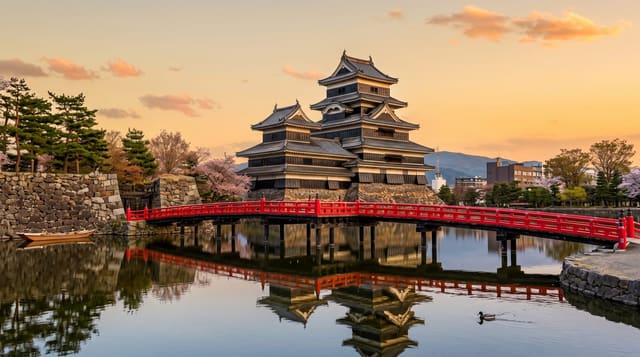
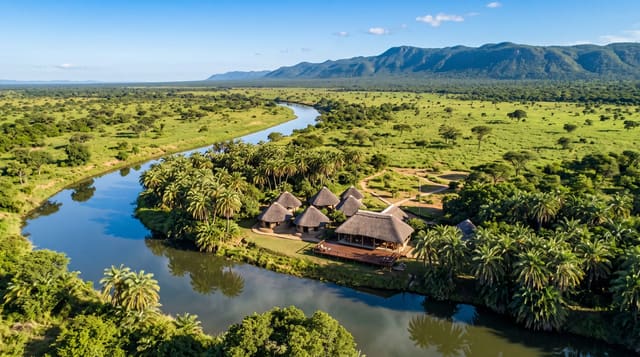
AI illustration
Kamikochi is where Japan keeps its Alps: a high river valley inside Chubu-Sangaku National Park where the ice-clear Azusa River runs beneath a wall of three-thousand-metre peaks, and where the country's modern mountaineering tradition took root. The scene from Kappa Bridge - larch forest, gravel river braids, the snow-streaked Hotaka range filling the sky - is one of the most famous mountain views in Japan, and it is reachable by anyone: private cars are banned, buses glide visitors in, and flat riverside paths serve strollers while serious trails climb to hut-to-hut traverses above. The valley opens in late April and closes completely in mid November, sleeping under snow until spring.
History
The valley was logged extensively until the mid-19th century. The British missionary Walter Weston is credited with sparking interest in recreational mountaineering in Japan through his writing and with lobbying for the protection of Kamikōchi, and a Weston Festival is held here every June in recognition of his part in conserving the Northern Japan Alps. The novelist Ryūnosuke Akutagawa added to a boom in domestic tourism with his 1927 book Kappa, which mentions the Kappa-bashi suspension bridge over the Azusa; the bridge's name is older than the book and of uncertain origin, most often linked to the kappa, water spirits said to live in mountain streams (Wikipedia, Kamikōchi).
What you'll find
- Kappa Bridge - the iconic suspension bridge view of the Azusa River and Hotaka peaks.
- Taisho and Myojin ponds - mirror waters reached by easy riverside walks.
- The riverside trails - flat, gorgeous kilometres past marsh, forest and wild monkeys.
- The high routes - Yari and Hotaka climbs and mountain huts for experienced hikers.
When to go
The valley operates roughly late April to mid November. Fresh snow on the peaks over new green makes May and June superb; October's golden larches draw the biggest crowds of the year; July and August are prime for the high summits. There is no winter season - the road closes entirely.
What to expect
Kamikochi's beauty is matched by its logistics: everything arrives by bus, autumn weekends strain the system, and valley lodging books out far ahead - reserve early or day-trip from Matsumoto or Takayama. The flat walks are easy for anyone; everything above the valley floor is genuine alpine terrain that deserves proper gear and planning. Wild monkeys are charismatic and entirely uninterested in your personal space - keep food packed away.
Nearby
Matsumoto's black castle, Takayama's old town and the Norikura and Okuhida onsen areas all connect by the same bus lines.
Key facts
Source: Wikidata, item Q1048234, read on 18 October 2026.
What to pack for Kamikochi
Chosen from what this place is for. Tap a kit for the full checklist.
- Broken-in walking shoes or boots - Grip and ankle support matter more than looks; never hike in brand-new boots. Find on Amazon
- Binoculars - The single best wildlife tool - even a compact pair transforms a sighting. Find on Amazon
- Warm base layers - Merino or synthetic against the skin - never cotton, which chills when damp. Find on Amazon
- Shelter suited to the place - Tent, tarp or hut booking - match it to the terrain and rules. Find on Amazon
Some links on this page are Amazon affiliate links - if you buy through them we may earn a small commission at no extra cost to you.
All packing kitsPlan your trip
Where to start if Kamikochi is going on the list.
Booking links on this page are affiliate links - if you book through them we may earn a small commission at no extra cost to you. It never changes what we write about a place.
Opening times, ticket prices and seasonal closures change - check the official source before you go: official site.