Harajuku Takeshita Street
A 350-metre pedestrian lane of teenage fashion and crepes, whose subculture scene has largely moved elsewhere.
Updated 29 August 2026
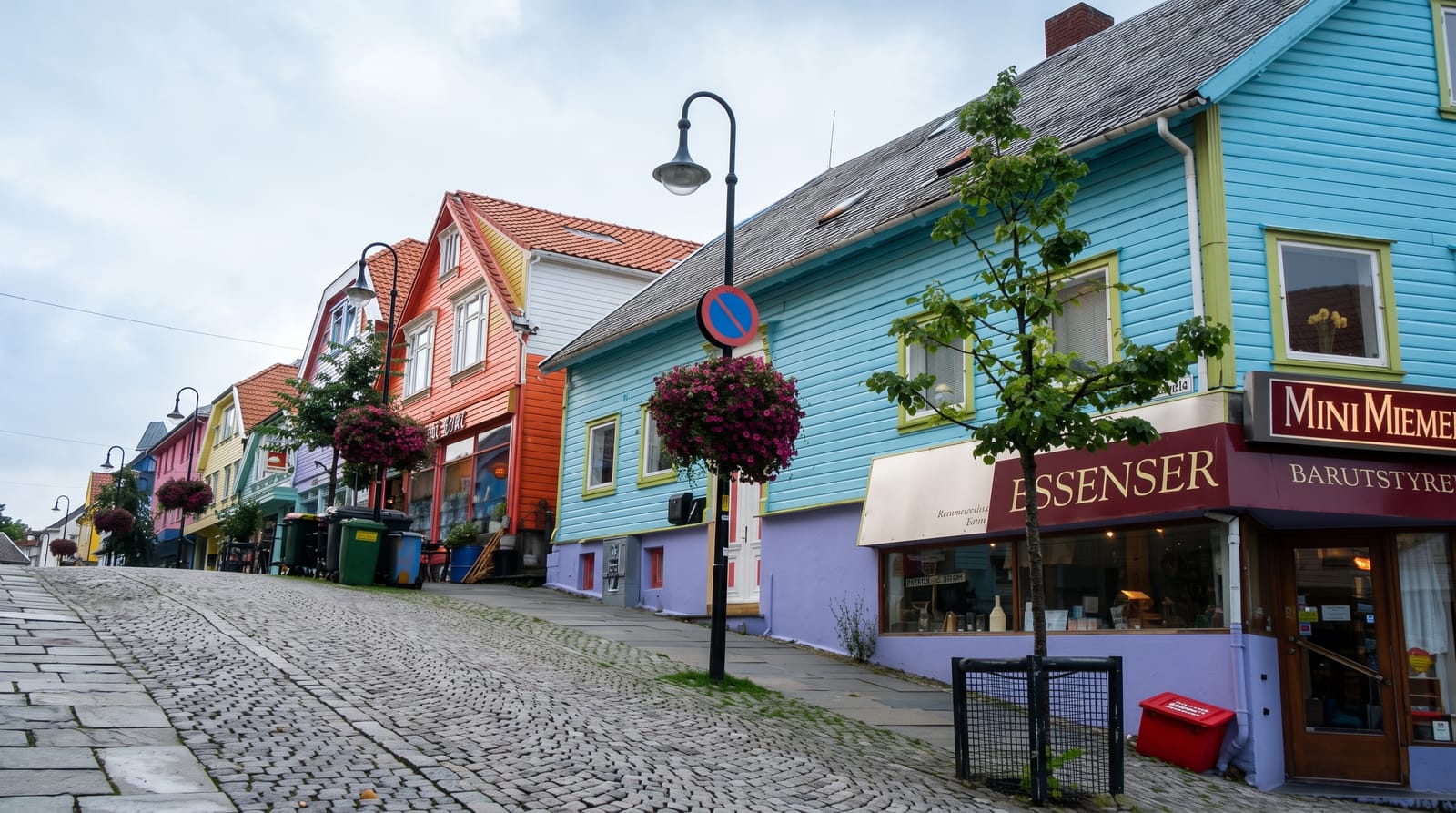
Takeshita-dori runs about 350 metres from opposite Harajuku station down to Meiji-dori, and it is narrow, pedestrian and packed - crepe stands, rainbow candyfloss, purikura photo booths, cheap clothing, secondhand shops and character stores, aimed squarely at teenagers. It is worth being straight about what it is and is not. The Harajuku that appeared in international coverage in the 1990s and 2000s - the Sunday gatherings on Jingu Bridge of Gothic Lolita, decora and visual kei - has largely dispersed; the bridge crowd faded through the 2010s and what remains on the street is mostly retail. The more interesting clothing is now in the backstreets of Ura-Harajuku and along Cat Street towards Shibuya, where the small labels and vintage shops sit. Omotesando, the wide tree-lined avenue alongside, is the luxury end with buildings by well-known architects.
What's there
- A 350-metre lane - narrow, pedestrian and permanently crowded.
- Crepes and purikura - the street's fixed points, along with cheap fashion.
- A dispersed subculture - the Jingu Bridge gatherings have largely ended.
- Better backstreets - Ura-Harajuku and Cat Street for small labels and vintage.
When to go
All year; weekday mornings for space. Two hours.
Practical notes
Weekends make the street shoulder to shoulder and slow. The subculture fashion visitors expect is largely gone from the street itself. Much of the retail is cheap and repetitive. Queues for crepes and popular shops are long.
Nearby
Meiji Jingu is beside the station; Omotesando runs south-east.
What to pack for Harajuku Takeshita Street
Chosen from what this place is for. Tap a kit for the full checklist.
- Comfortable walking shoes - Sightseeing means kilometres of pavement and cobbles daily. Find on Amazon
- A slim anti-theft daypack - Zips that close properly; keep it in front in crowds and on transit. Find on Amazon
- A refillable water bottle - Many cities have public fountains; save money and plastic. Find on Amazon
- A light layer + compact umbrella - For museum air-con and a sudden shower. Find on Amazon
Some links on this page are Amazon affiliate links - if you buy through them we may earn a small commission at no extra cost to you.
All packing kitsPlan your trip
Where to start if Harajuku Takeshita Street is going on the list.
Booking links on this page are affiliate links - if you book through them we may earn a small commission at no extra cost to you. It never changes what we write about a place.
Opening times, ticket prices and seasonal closures change - check the official source before you go: official site.