Gokayama
Two small thatched villages sharing Shirakawa-go's UNESCO listing and almost none of its crowds.
Updated 14 October 2026
UNESCO World Heritage
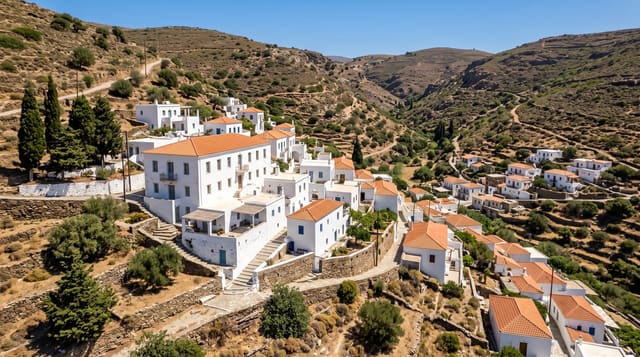
Gokayama and Shirakawa-go were inscribed together by UNESCO in 1995 for their gassho-zukuri farmhouses - steep thatched roofs pitched like hands in prayer, built to shed several metres of snow, with large open attics used for silkworm rearing. Gokayama has two hamlets, Ainokura with about twenty houses and Suganuma with nine, and they are much smaller and far less visited than Shirakawa-go over the prefecture line, which is the reason to come here instead. The valley's other history is gunpowder: under the Kaga domain these isolated villages produced saltpetre from a fermentation process using the earth under the house floors, which was a controlled and secret industry, and a museum at Suganuma explains it. Ainokura also keeps the kokiriko, a very old folk dance with a clattering wooden instrument, performed at set times.
What you'll find
- Gassho farmhouses - steep thatch built for metres of snow, with silkworm attics.
- Two small hamlets - about twenty houses at Ainokura and nine at Suganuma.
- The saltpetre history - gunpowder production under the house floors, explained at Suganuma.
- Kokiriko - a very old folk dance with a clattering wooden instrument.
When to go
May to October; January and February for snow. A day.
Before you go
Buses are infrequent and connections awkward without a car. Winter access depends on snow clearing. These are lived-in villages - some houses are private and residents ask for restraint with cameras. There is little food or accommodation.
Nearby
Shirakawa-go is south over the prefecture line; Takaoka is north.
What to pack for Gokayama
Chosen from what this place is for. Tap a kit for the full checklist.
- Warm base layers - Merino or synthetic against the skin - never cotton, which chills when damp. Find on Amazon
- Comfortable walking shoes - Sightseeing means kilometres of pavement and cobbles daily. Find on Amazon
- An insulated + windproof jacket - A down or synthetic layer under a hard shell handles most cold. Find on Amazon
- A slim anti-theft daypack - Zips that close properly; keep it in front in crowds and on transit. Find on Amazon
Some links on this page are Amazon affiliate links - if you buy through them we may earn a small commission at no extra cost to you.
All packing kitsPlan your trip
Where to start if Gokayama is going on the list.
Booking links on this page are affiliate links - if you book through them we may earn a small commission at no extra cost to you. It never changes what we write about a place.
Opening times, ticket prices and seasonal closures change - check the official source before you go: official site.