Seville Heritage Park
One site holding a Taíno village, the first Spanish town in Jamaica and an English sugar estate, layered on top of each other.
Updated 2 September 2026

AI illustration
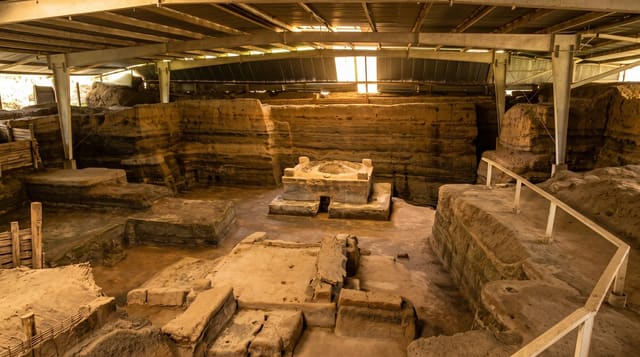
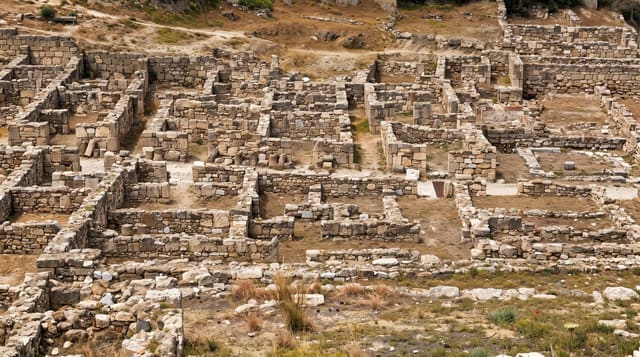
Sevilla la Nueva was founded in 1509 as the first Spanish town in Jamaica, and it was built directly beside Maima, a substantial Taíno settlement, on a site the English later took over as a sugar estate. All three layers are on the same ground, which makes this the most complete archaeological sequence on the island: Taíno material, the Spanish church and governor's house foundations, and the later great house and works, along with the excavated remains of the village where enslaved Africans lived. The great house holds a museum. It is one of the few places in Jamaica where the whole sequence from before contact to emancipation is laid out in one walk.
The main sights
- The Taíno settlement - the excavated village of Maima beside the Spanish town.
- The Spanish remains - foundations of the 1509 church and governor's house.
- The African village site - excavated dwellings of the enslaved community.
- The great house museum - the finds from all three periods.
When to go
December to April is drier. Mornings are cooler for walking the open site. It is rarely busy. Emancipation Day at the start of August brings commemorations here.
Practical notes
Much of the site is grass and low foundations, so the museum and a guide carry the visit. Funding has been thin and presentation is dated in places. Signage is limited. It is a short drive from Ocho Rios but sees a fraction of the visitors, which is both its appeal and its problem.
Nearby
St Ann's Bay is next door; Ocho Rios is twenty minutes east.
What to pack for Seville Heritage Park
Chosen from what this place is for. Tap a kit for the full checklist.
- Comfortable walking shoes - Sightseeing means kilometres of pavement and cobbles daily. Find on Amazon
- A slim anti-theft daypack - Zips that close properly; keep it in front in crowds and on transit. Find on Amazon
- A refillable water bottle - Many cities have public fountains; save money and plastic. Find on Amazon
- A light layer + compact umbrella - For museum air-con and a sudden shower. Find on Amazon
Some links on this page are Amazon affiliate links - if you buy through them we may earn a small commission at no extra cost to you.
All packing kitsPlan your trip
Where to start if Seville Heritage Park is going on the list.
Booking links on this page are affiliate links - if you book through them we may earn a small commission at no extra cost to you. It never changes what we write about a place.
Opening times, ticket prices and seasonal closures change - check the official source before you go: official site.