Sinis Peninsula
Beaches made of quartz grains rather than sand, beside a Phoenician city and a lagoon that produces bottarga.
Updated 4 September 2026
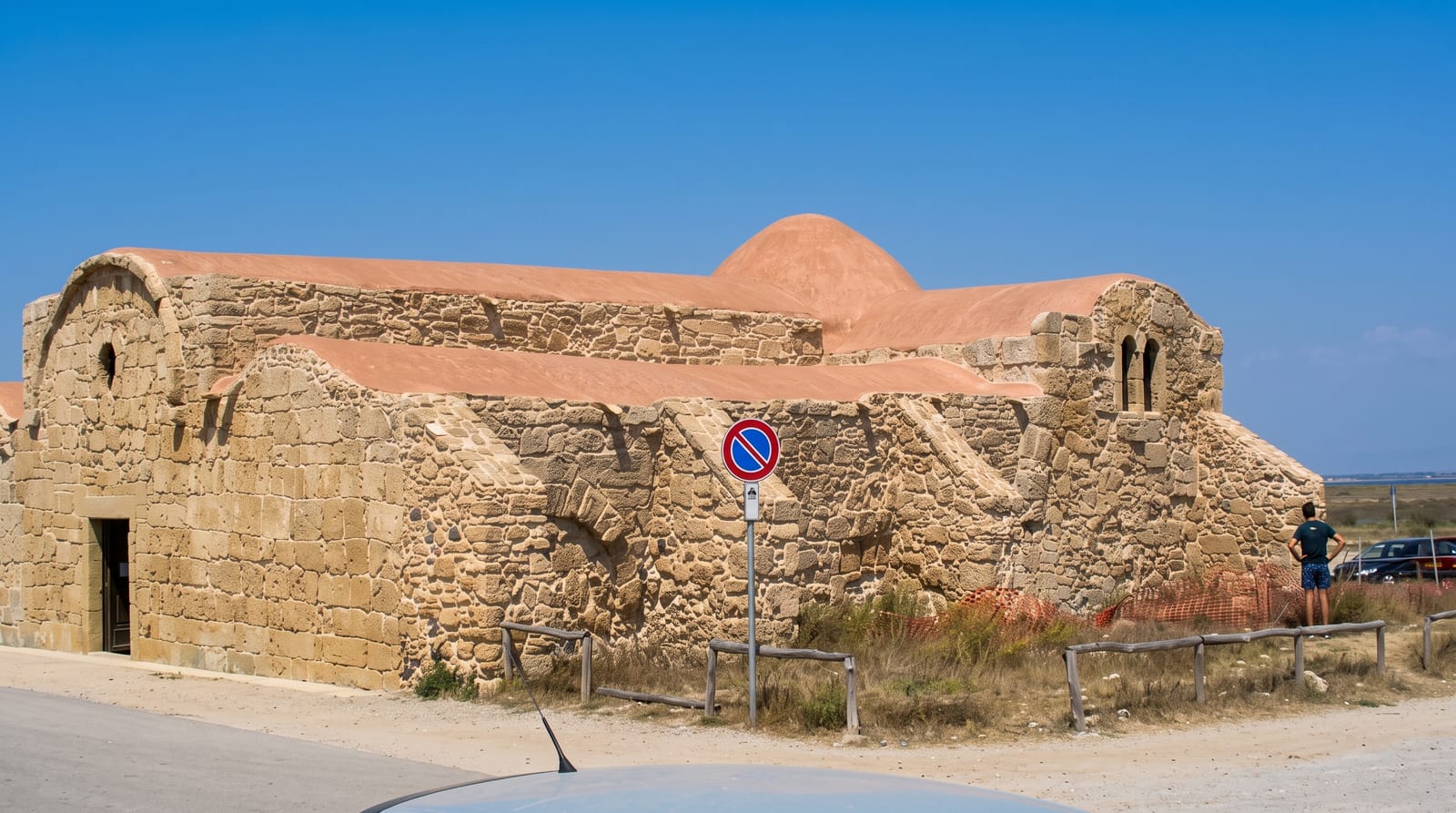
AI illustration
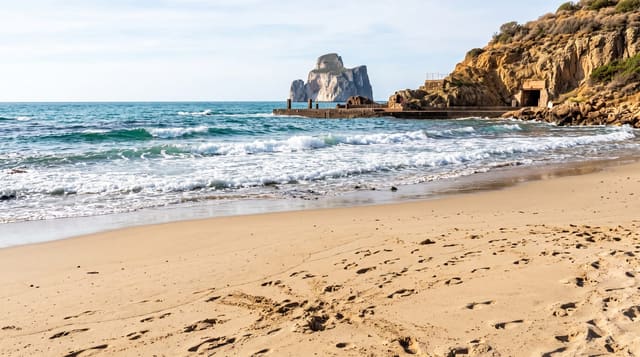
Is Arutas and neighbouring beaches on the Sinis are made of rounded quartz grains rather than ordinary sand, white to pink and green, produced by the erosion of local rock; removal is illegal and enforced with fines, since decades of visitors taking handfuls depleted them. At the peninsula's tip stands Tharros, a Phoenician city later Roman, with columns and street grids on a headland. The Cabras lagoon behind produces bottarga, the salted and dried roe of grey mullet, a local staple. At Mont'e Prama, over five thousand fragments found from 1974 were reassembled into large stone statues of archers and boxers.
What you'll find
- The quartz beaches - shores of rounded grains rather than sand.
- Tharros - a Phoenician and Roman city on the headland.
- The Mont'e Prama giants - large prehistoric stone statues reassembled from fragments.
- The bottarga - dried mullet roe from the Cabras lagoon.
When to go
May to September for the beaches; Tharros is exposed and hot in high summer. The statues are displayed in Cabras and Cagliari museums.
Before you go
Taking the quartz is illegal and fined, and shoes are restricted on some beaches. Parking is paid and capped. Tharros has no shade.
Nearby
Oristano lies east; Bosa is north up the coast.
Key facts
Source: Wikidata, item Q1152375, read on 18 October 2026.
What to pack for Sinis Peninsula
Chosen from what this place is for. Tap a kit for the full checklist.
- Broken-in walking shoes or boots - Grip and ankle support matter more than looks; never hike in brand-new boots. Find on Amazon
- Reef-safe sunscreen - High SPF that will not bleach the coral you are swimming over. Find on Amazon
- Layers + a waterproof shell - Mountain weather turns fast; a packable rain jacket saves the day. Find on Amazon
- Quick-dry towel - A microfibre towel packs small and dries in minutes. Find on Amazon
Some links on this page are Amazon affiliate links - if you buy through them we may earn a small commission at no extra cost to you.
All packing kitsPlan your trip
Where to start if Sinis Peninsula is going on the list.
Booking links on this page are affiliate links - if you book through them we may earn a small commission at no extra cost to you. It never changes what we write about a place.
Opening times, ticket prices and seasonal closures change - check the official source before you go: official site.