Ostia Antica
Rome's port city, abandoned and silted over rather than destroyed, with streets and shops still standing.
Updated 19 October 2026
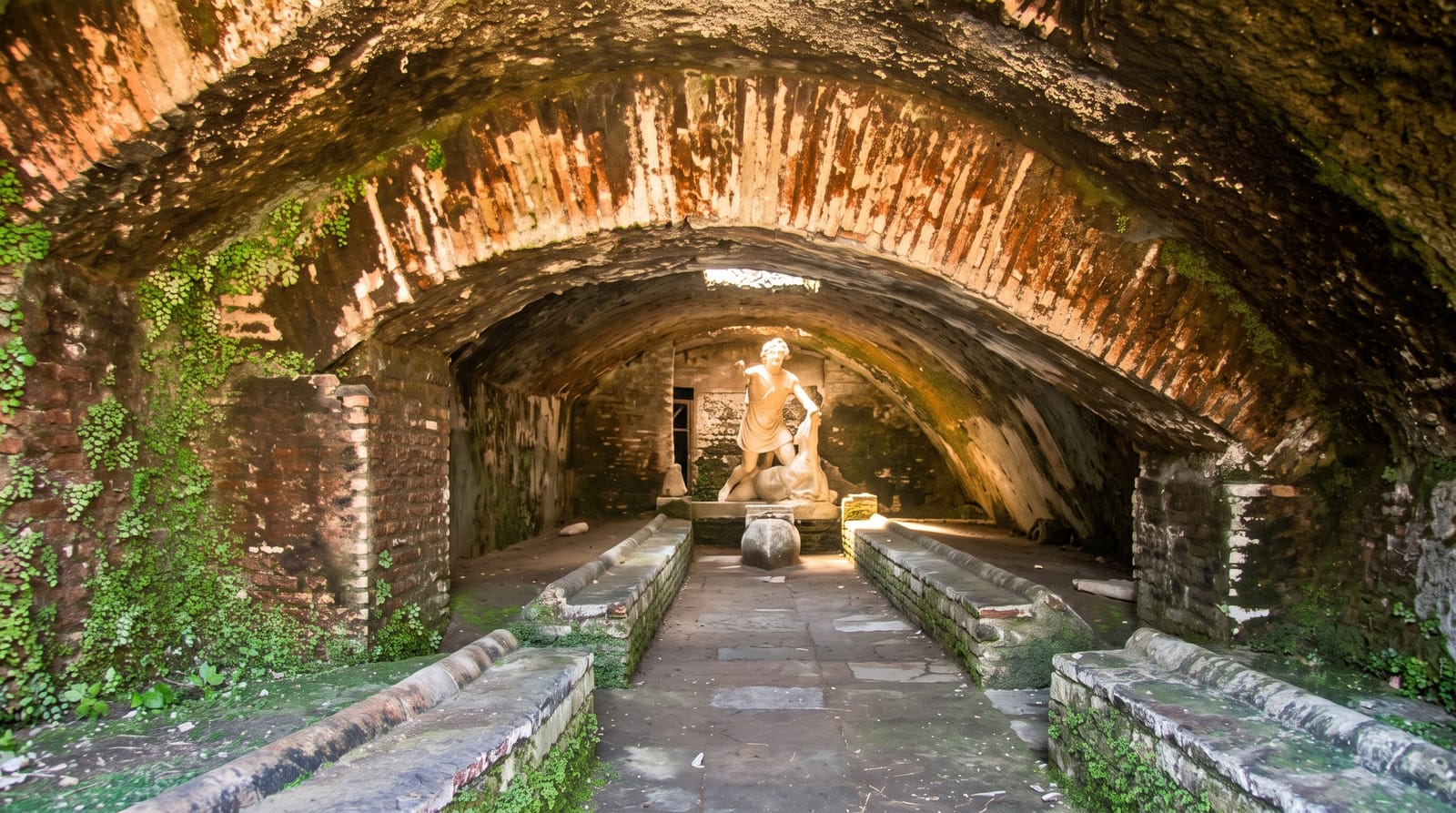
AI illustration
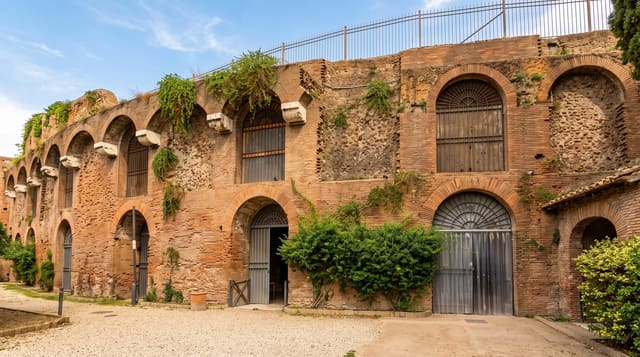
Ostia was Rome's harbour and grew to perhaps fifty thousand people before the river silted, the harbour moved and malaria emptied it; it was not sacked or built over, so it settled under mud and survived. The result is a Roman city you walk through rather than look at: paved streets, apartment blocks several storeys high, bakeries with millstones in place, a theatre, warehouses, public latrines with the seats intact, and mosaic floors in the Square of the Corporations showing the trades and home ports of the shipping firms that had offices there. It is far larger and far less crowded than Pompeii.
History
Ostia was Rome's port at the mouth of the Tiber, and as a centre of the corn supply it is estimated to have had around 50,000 inhabitants in the 2nd century AD. After the fall of the Western Empire it slowly decayed, its last inhabitants moved to nearby Gregoriopolis after a sea battle with the Saracens in 849, and sand dunes covered the site, which the silting of the coast has left 3 km from the sea (Wikipedia, Ostia Antica).
What to look for
- The apartment blocks - multi-storey insulae showing how Romans actually lived.
- The Corporations mosaics - shipping firms' emblems and home ports in floor mosaic.
- The bakery - millstones and ovens standing in place.
- The latrines - a public toilet block with its marble seats intact.
When to go
April to June and September to October; summer on the site is very hot with limited shade. It closes Mondays. Allow at least three hours; the site is large.
Practical notes
The site is extensive and there is little shade or water. Signage is thin in places. It closes Mondays, which catches out day trippers from Rome.
Nearby
Rome lies northeast; the Tyrrhenian coast is west.
What to pack for Ostia Antica
Chosen from what this place is for. Tap a kit for the full checklist.
- Loose, light, long clothing - Covering up beats bare skin in the desert - and locals dress this way for a reason. Find on Amazon
- Comfortable walking shoes - Sightseeing means kilometres of pavement and cobbles daily. Find on Amazon
- A wide-brim hat + sunglasses - Shade for your face and eyes where there is none overhead. Find on Amazon
- A slim anti-theft daypack - Zips that close properly; keep it in front in crowds and on transit. Find on Amazon
Some links on this page are Amazon affiliate links - if you buy through them we may earn a small commission at no extra cost to you.
All packing kitsPlan your trip
Where to start if Ostia Antica is going on the list.
Booking links on this page are affiliate links - if you book through them we may earn a small commission at no extra cost to you. It never changes what we write about a place.
Opening times, ticket prices and seasonal closures change - check the official source before you go: official site.