The Gargano
The spur of the Italian boot, a limestone promontory of beech forest, sea caves and pilgrimage churches, with islands offshore.
Updated 4 September 2026
AI illustration
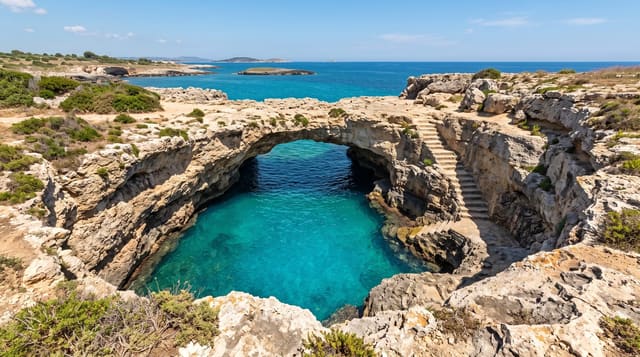
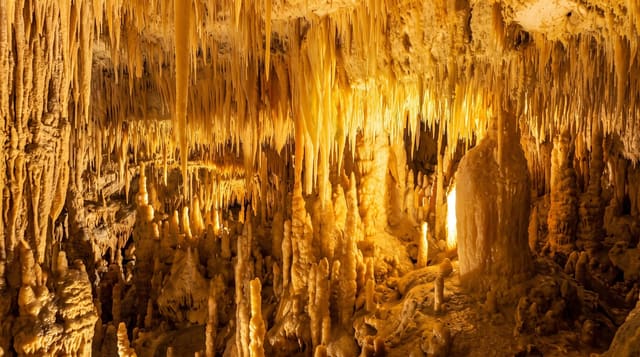
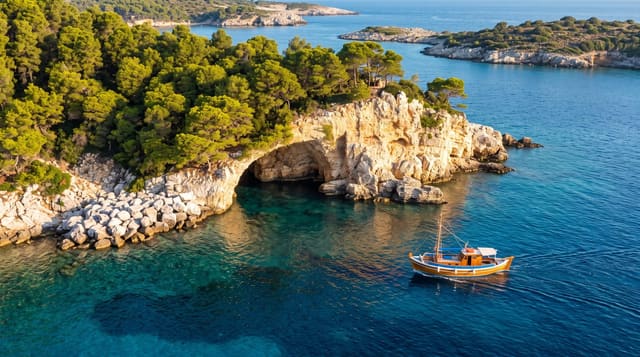
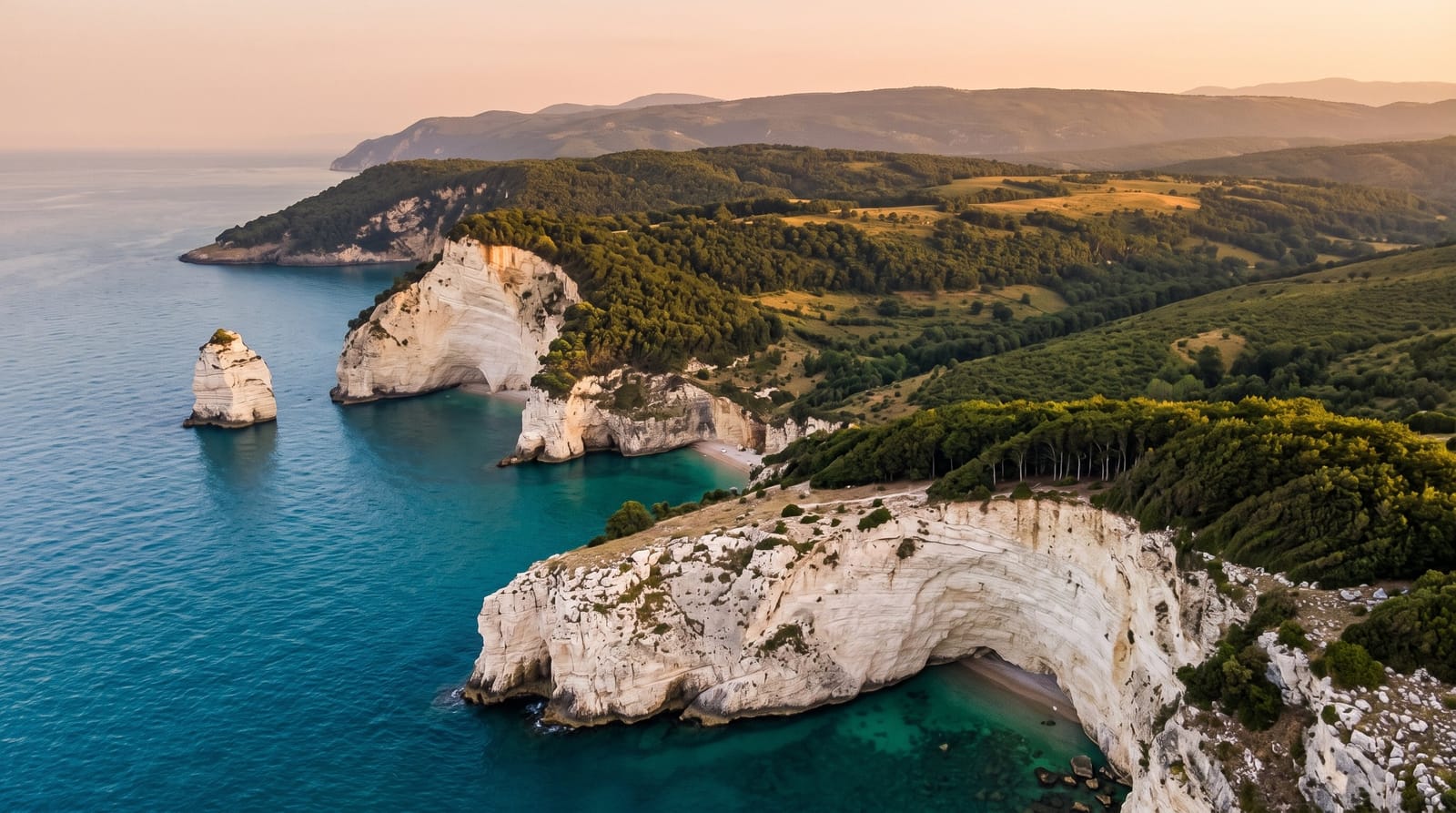
The Gargano is the spur of the Italian boot, a limestone block that was an island until the plain silted up around it, and it is unlike the rest of Puglia: instead of flat olive country there are cliffs, sea caves, coves and, on the higher ground, the Foresta Umbra, an ancient beech and oak forest with trees included in the UNESCO listing of Europe's primeval beech woods. Monte Sant'Angelo holds a grotto sanctuary that has drawn pilgrims since the fifth century and is separately listed. Offshore lie the Tremiti islands, a small archipelago with clear water and a fortified abbey.
The landscape
- The Foresta Umbra - ancient beech woodland, part of the European listing.
- The sea caves and coves - along the coast between Vieste and Mattinata.
- Monte Sant'Angelo - the grotto sanctuary, a pilgrimage site since the 400s.
- The Tremiti islands - clear water and an abbey, reached by ferry.
When to go
May to June and September avoid the August crush, when Italian holidaymakers fill the coast entirely and roads and beaches are solid. The Foresta Umbra is best in autumn colour. Tremiti ferries run mainly from spring to autumn.
Good to know
August on the Gargano coast is genuinely overwhelming, with booked-out accommodation and traffic along a single coast road. Public transport on the promontory is poor and a car is needed. Tremiti ferries are weather-dependent and reduce sharply outside summer.
Nearby
Vieste and Peschici are on the coast; the Tremiti are offshore.
Key facts
Source: Wikidata, item Q763332, read on 18 October 2026.
What to pack for The Gargano
Chosen from what this place is for. Tap a kit for the full checklist.
- Broken-in walking shoes or boots - Grip and ankle support matter more than looks; never hike in brand-new boots. Find on Amazon
- Reef-safe sunscreen - High SPF that will not bleach the coral you are swimming over. Find on Amazon
- Head torch + spare batteries - Hands-free light is essential; caves are truly dark. Find on Amazon
- Binoculars - The single best wildlife tool - even a compact pair transforms a sighting. Find on Amazon
Some links on this page are Amazon affiliate links - if you buy through them we may earn a small commission at no extra cost to you.
All packing kitsPlan your trip
Where to start if The Gargano is going on the list.
Booking links on this page are affiliate links - if you book through them we may earn a small commission at no extra cost to you. It never changes what we write about a place.
Opening times, ticket prices and seasonal closures change - check the official source before you go: official site.