Circeo National Park
A promontory, four coastal lakes and the last fragment of the forest that covered the drained marshes.
Updated 16 October 2026
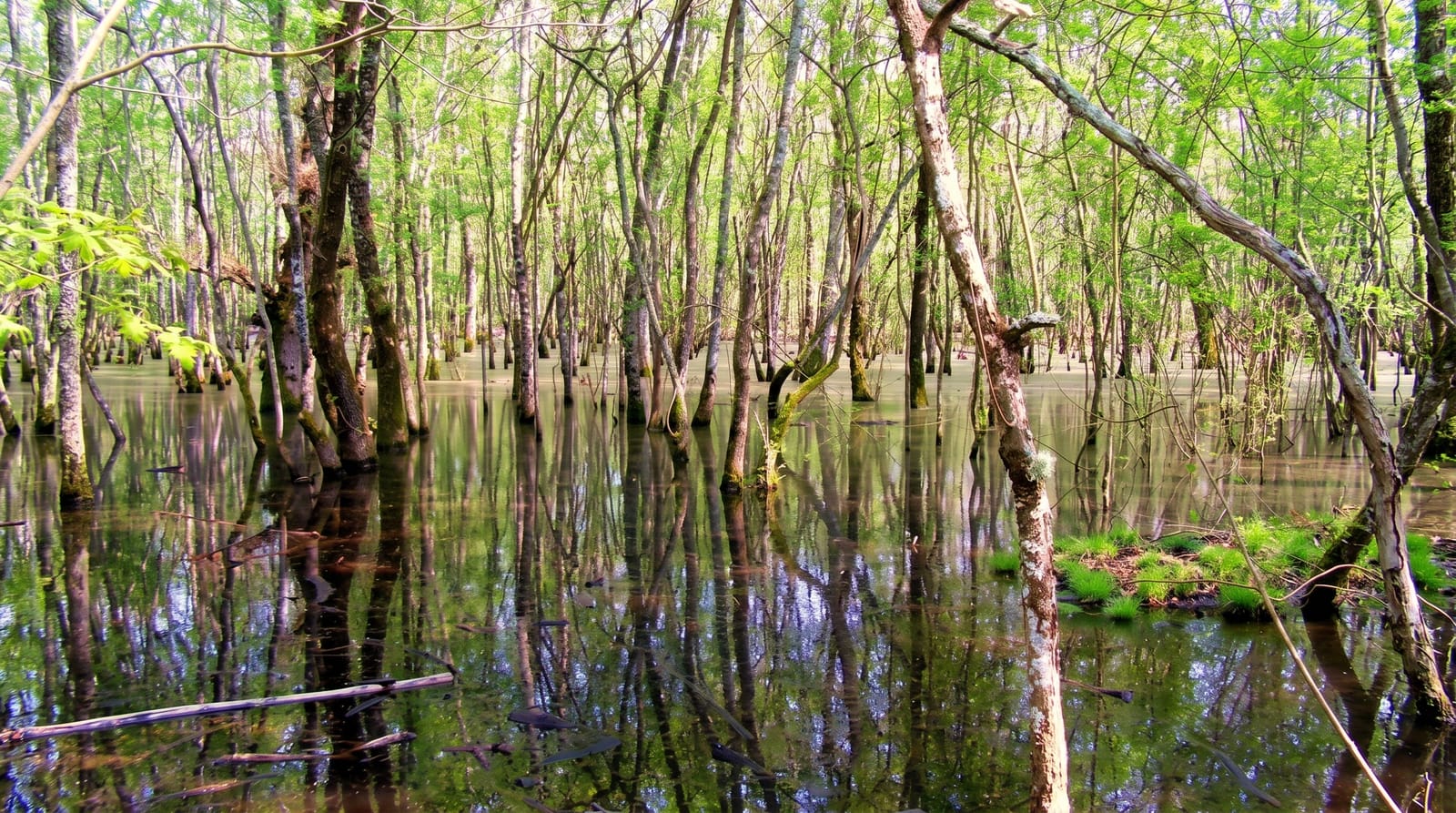
AI illustration
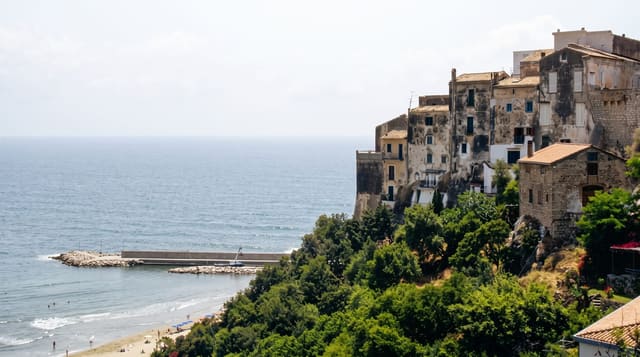
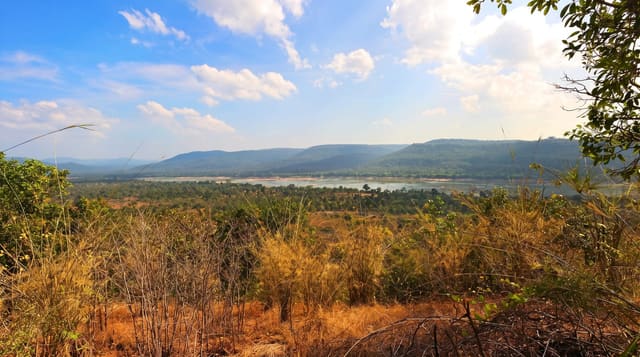
The park was created in 1934 to save a remnant of the Pontine marshes then being drained, and it holds four brackish coastal lakes, a long dune belt, and the Selva di Circeo, an old lowland oak forest of a type almost entirely lost in Italy. Monte Circeo rises abruptly at the southern end, a limestone promontory identified since antiquity with Homer's Circe; the Grotta Guattari on its flank produced a Neanderthal skull in 1939. Flamingos, herons and migrating waterfowl use the lagoons, and the island of Zannone offshore is part of the park.
Background
The park covers 84.40 square kilometres along the coast between Anzio and Terracina, and no other Italian national park lies entirely on plain and coast. Its forest, now c. 3,300 hectares, is the last relic of the old Selva di Terracina, and no plain forest in Italy is larger. The promontory, which tops out at 541 m, is a Mesozoic massif of limestone and dolomite with the shape of an island, and a 25 ha cork oak wood grows where it meets the plain. A sand strip 22 km long runs from Torre Paola to Capo Portiere. The four lakes, Paola, Caprolace, Monaci and Fogliano, reach a maximum depth of two meters. Zannone joined the park in 1979.
Source: Wikipedia, "Circeo National Park"
What's there
- The coastal lakes - four brackish lagoons behind the dune belt.
- The Selva di Circeo - a rare surviving lowland oak forest.
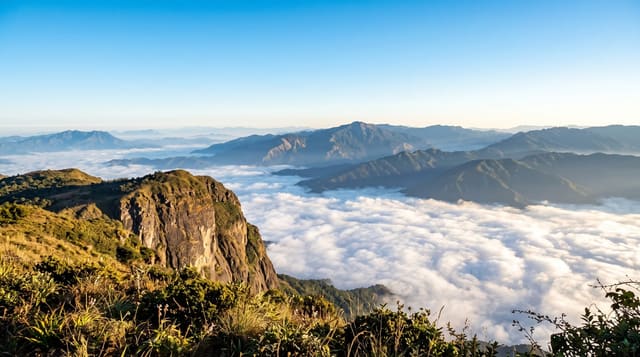
- Monte Circeo - a limestone promontory with a summit path and wide views.
- The lagoon birds - flamingos, herons and migrating waterfowl.
When to go
April to June and September to October; birdlife peaks on migration. Summer brings beach crowds to Sabaudia. Some zones are closed for conservation.
Things to know
Beaches are busy and developed in summer while the reserve zones are strictly limited. Trail signage is patchy. Grotta Guattari access is restricted and booked.
Nearby
Sperlonga lies east; the Pontine islands are offshore.
Key facts
Source: Wikidata, item Q2738134, read on 18 October 2026.
What to pack for Circeo National Park
Chosen from what this place is for. Tap a kit for the full checklist.
- Broken-in walking shoes or boots - Grip and ankle support matter more than looks; never hike in brand-new boots. Find on Amazon
- Reef-safe sunscreen - High SPF that will not bleach the coral you are swimming over. Find on Amazon
- Binoculars - The single best wildlife tool - even a compact pair transforms a sighting. Find on Amazon
- Loose, light, long clothing - Covering up beats bare skin in the desert - and locals dress this way for a reason. Find on Amazon
Some links on this page are Amazon affiliate links - if you buy through them we may earn a small commission at no extra cost to you.
All packing kitsPlan your trip
Where to start if Circeo National Park is going on the list.
Booking links on this page are affiliate links - if you book through them we may earn a small commission at no extra cost to you. It never changes what we write about a place.
Opening times, ticket prices and seasonal closures change - check the official source before you go: official site.