Ein Gedi
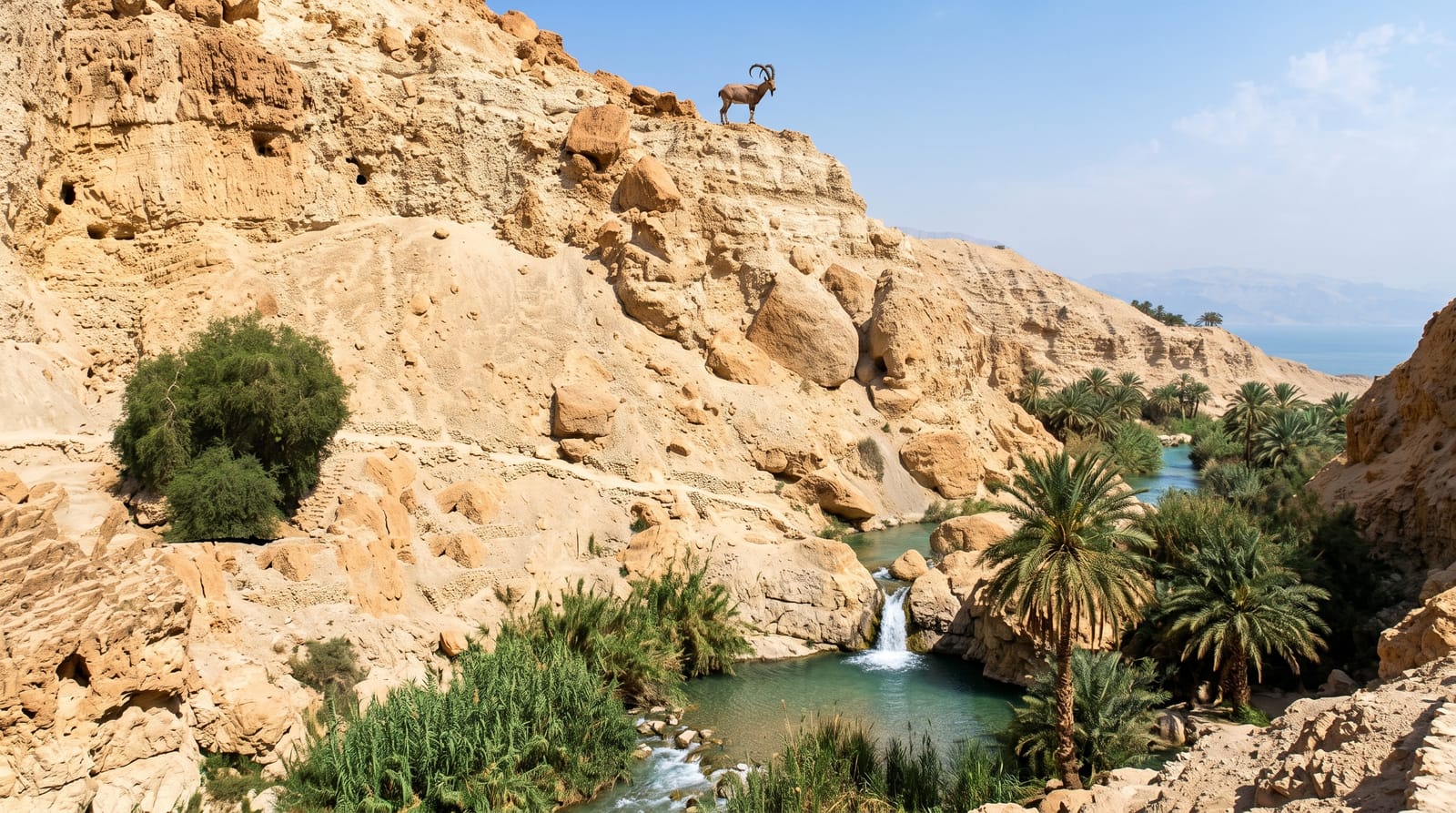
Freshwater falls and pools in a desert canyon above the Dead Sea, with ibex on the rocks and hyrax underfoot.
Updated 19 October 2026
AI illustration
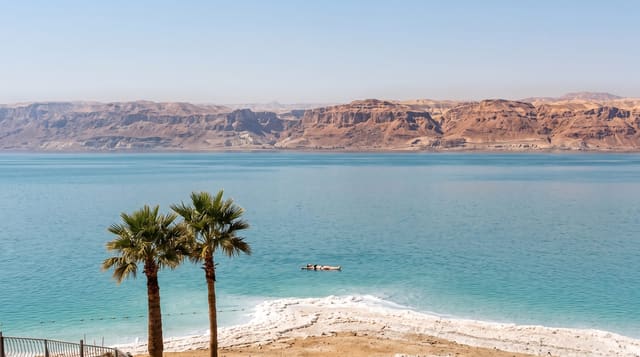
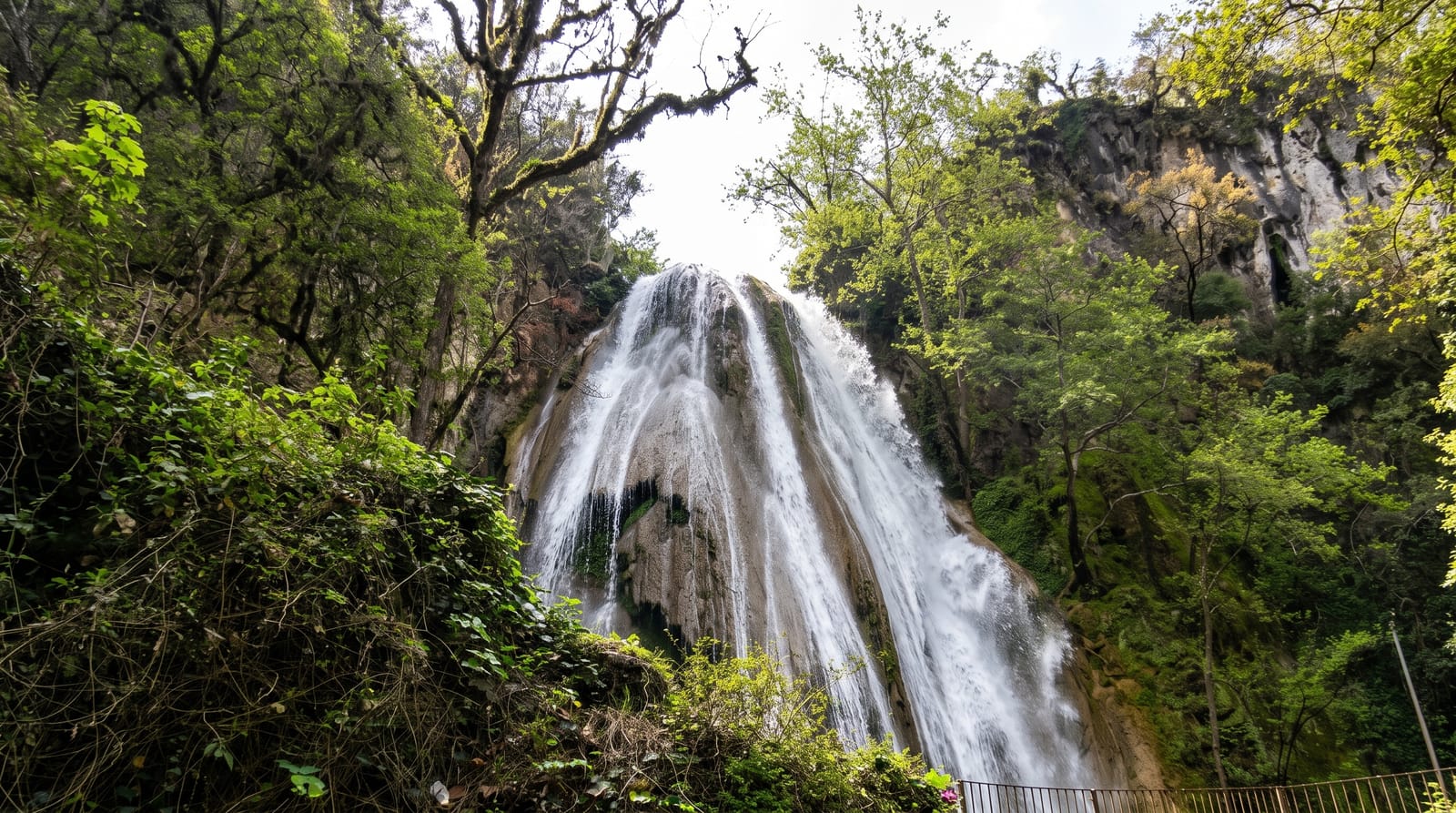
Ein Gedi is an oasis in one of the driest landscapes on earth: springs emerging from the limestone above the Dead Sea and falling through two canyons, Nahal David and Nahal Arugot, in a series of pools and waterfalls with reeds, acacia and date palms around them. The contrast with the bare desert either side is total. Nubian ibex come down to drink and are used enough to people that they graze beside the paths, and rock hyrax sun themselves on the boulders. The short walk up Nahal David to David's Waterfall is easy and popular; the longer routes climb past ancient terraces to a Chalcolithic temple and the spring at Ein Gedi itself, with the Dead Sea spread out far below.
History
The name means "spring of the kid" in both Arabic and Hebrew, and beside the reserve the Ein Gedi Archaeological Park holds the remains of a Jewish settlement of the Roman and Byzantine era (Wikipedia, Ein Gedi Nature Reserve).
What you'll find
- David's Waterfall - the short accessible walk to a fall and pool in Nahal David.
- Nahal Arugot - the longer, quieter canyon with a chain of pools.
- Nubian ibex and hyrax - habituated wildlife around the paths and springs.
- The Chalcolithic temple - a prehistoric shrine on the slope above the springs.
When to go
October to April. Summer here is dangerously hot, and the reserve closes entry in the early afternoon; even in cooler months an early start is far better. Flash flood risk closes the canyons after rain anywhere in the Judean hills.
Before you go
The lower Nahal David walk is short, paved in places and extremely popular, so it can feel like a queue in season; the Arugot canyon and the upper routes shed the crowds quickly. Swimming is only permitted in designated pools. Do not feed the ibex, however close they come.
Nearby
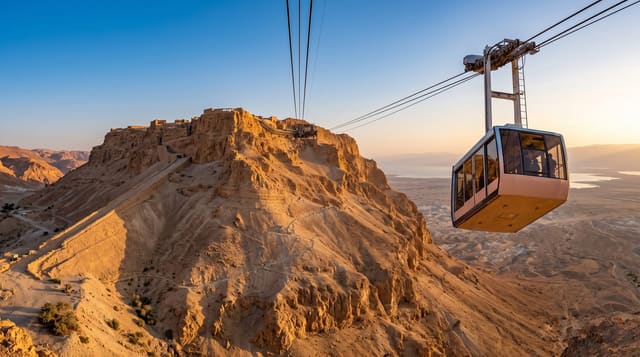
Masada is twenty minutes south; the Dead Sea beaches and Qumran are along the same road.
Key facts
Source: Wikidata, item Q1011544, read on 18 October 2026.
What to pack for Ein Gedi
Chosen from what this place is for. Tap a kit for the full checklist.
- Broken-in walking shoes or boots - Grip and ankle support matter more than looks; never hike in brand-new boots. Find on Amazon
- Reef-safe sunscreen - High SPF that will not bleach the coral you are swimming over. Find on Amazon
- Binoculars - The single best wildlife tool - even a compact pair transforms a sighting. Find on Amazon
- Loose, light, long clothing - Covering up beats bare skin in the desert - and locals dress this way for a reason. Find on Amazon
Some links on this page are Amazon affiliate links - if you buy through them we may earn a small commission at no extra cost to you.
All packing kitsPlan your trip
Where to start if Ein Gedi is going on the list.
Booking links on this page are affiliate links - if you book through them we may earn a small commission at no extra cost to you. It never changes what we write about a place.