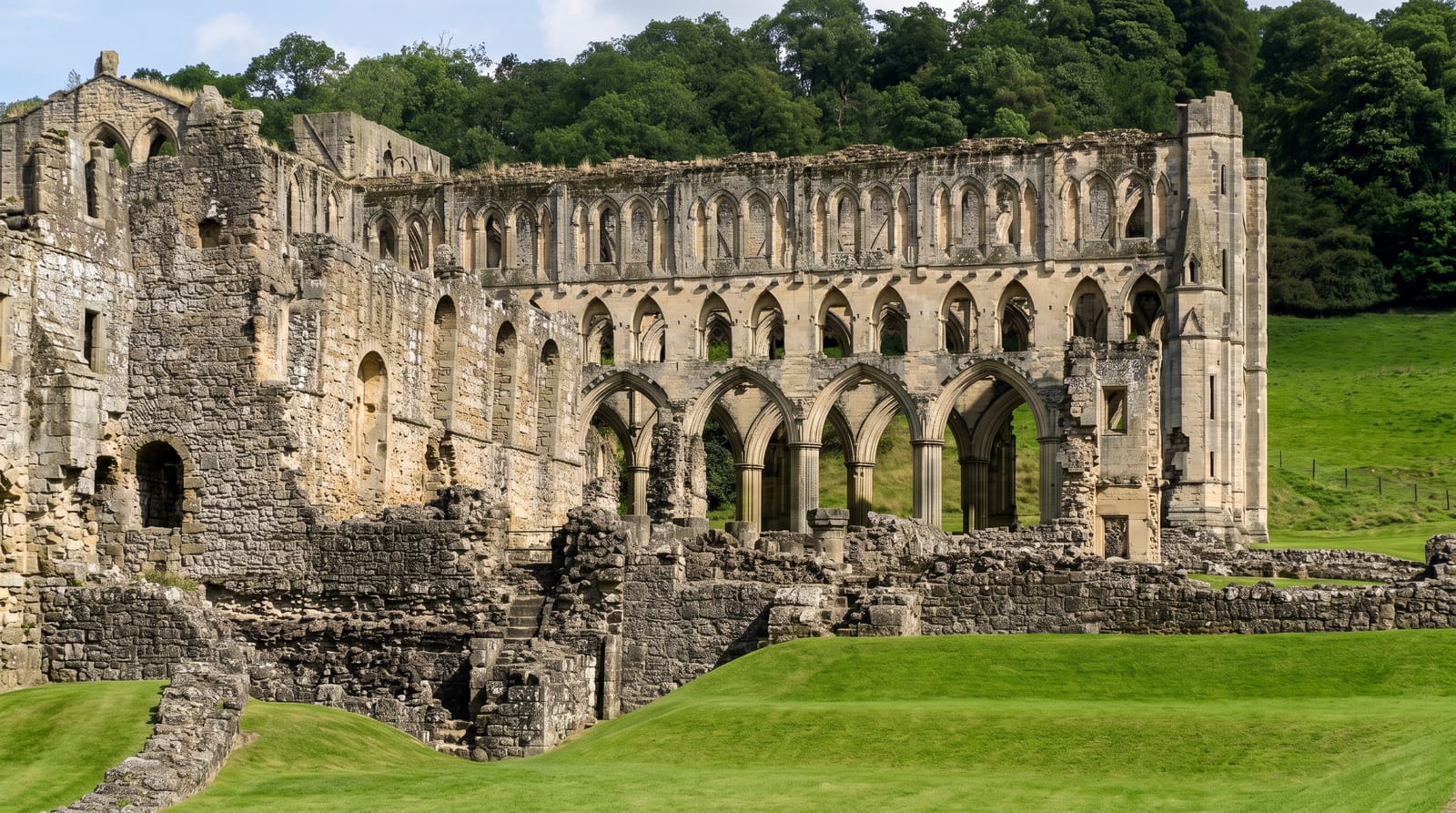
Corcomroe Abbey
A Cistercian abbey in a Burren valley with the finest stone carving of any Irish Cistercian house, free and unstaffed.
Updated 19 October 2026
Corcomroe was founded around 1195 by Donal Mor O'Brien, king of Thomond, in a sheltered valley among the Burren hills - its Latin name, Sancta Maria de Petra Fertili, Saint Mary of the Fertile Rock, is a fair description of the setting. Cistercian rule discouraged ornament, and most Irish houses of the order are plain; Corcomroe is the exception. The chancel and transept chapels carry carved capitals with lilies, opium poppies and other plants that grow in the Burren, along with human heads and dragons, and the ribbed vaulting in the chancel is unusually fine. An effigy of a king, generally identified as Conor na Siudaine O'Brien who died in 1268, lies in a niche. Yeats set his play The Dreaming of the Bones here. The site is free, unstaffed and open at any hour, and it is usually quiet even in summer.
History
A band of Cistercian monks came here from Inislounaght in Tipperary in the late 12th century, and the foundation, dated between 1180 and 1200, is credited to Donal Mór Ua Briain. Legend says King Conor na Siudane Ua Briain had the five masons who finished the abbey executed so that they could not build a rival elsewhere, and the abbey appears in W. B. Yeats' play The Dreaming of Bones (Wikipedia, Corcomroe Abbey).
Highlights
- The carved capitals - Burren plants, heads and dragons, rare in a Cistercian house.
- The chancel vaulting - ribbed and finely worked.
- The O'Brien effigy - a carved king in a wall niche.
- The setting - a sheltered valley among bare Burren hills.
When to go
April to October for the ground and the light. Open at any hour with no gate. An hour covers it, and it is usually far quieter than the Burren's other stops.
Things to know
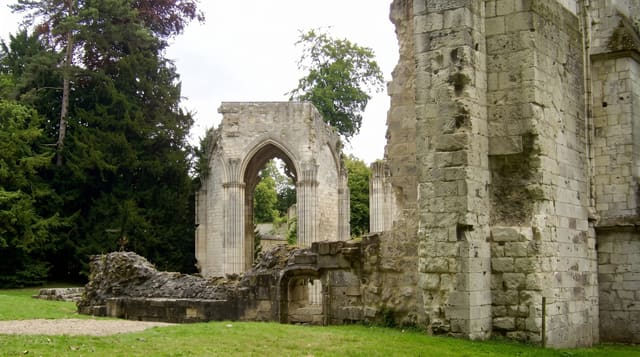
Unstaffed, roofless and with minimal interpretation. The carving is worn in places and needs looking for. The access lane is narrow and parking is a handful of spaces. No facilities.
Nearby
Ballyvaughan and the Burren coast are west; Kinvara is north-east.
Key facts
Source: Wikidata, item Q818879, read on 18 October 2026.
What to pack for Corcomroe Abbey
Chosen from what this place is for. Tap a kit for the full checklist.
- Comfortable walking shoes - Sightseeing means kilometres of pavement and cobbles daily. Find on Amazon
- A slim anti-theft daypack - Zips that close properly; keep it in front in crowds and on transit. Find on Amazon
- A refillable water bottle - Many cities have public fountains; save money and plastic. Find on Amazon
- A light layer + compact umbrella - For museum air-con and a sudden shower. Find on Amazon
Some links on this page are Amazon affiliate links - if you buy through them we may earn a small commission at no extra cost to you.
All packing kitsPlan your trip
Where to start if Corcomroe Abbey is going on the list.
Booking links on this page are affiliate links - if you book through them we may earn a small commission at no extra cost to you. It never changes what we write about a place.
Opening times, ticket prices and seasonal closures change - check the official source before you go: official site.