Nippur
The holy city of Sumer, seat of the god Enlil, whose tablet archives shaped what is known of Mesopotamian literature.
Updated 19 October 2026
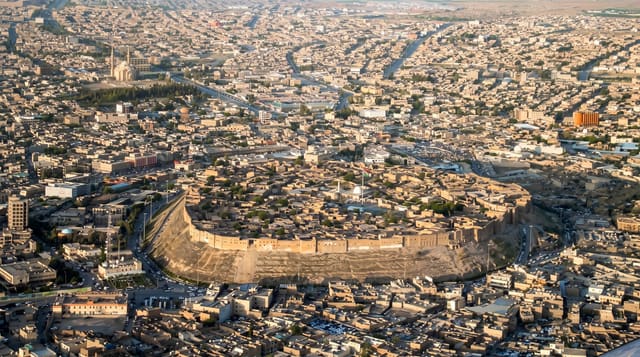
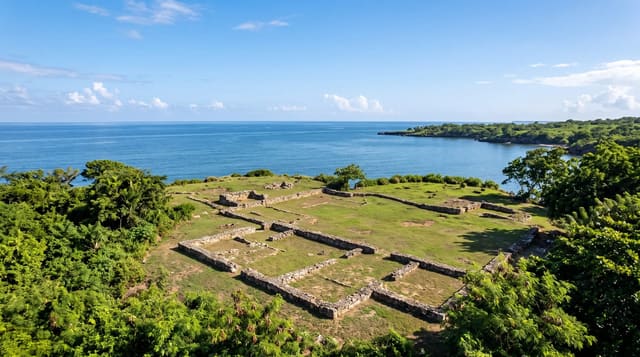
Nippur was never a political capital, and that was its position: it was the religious centre of Sumer, home of Enlil, the god whose sanction legitimised kings, so rulers of competing cities all endowed its temples. Its scribal schools produced tens of thousands of clay tablets, and it is from Nippur that a great part of Sumerian literature survives, including versions of the flood story and the hymns and laments that fill the corpus. The mound holds the ziggurat of Enlil, temple precincts, and the excavated scribal quarter; a nineteenth-century American expedition worked here and later teams continued. What a visitor sees is a large mound with a brick ziggurat core standing above the plain and trenches cut across the site.
History
Nippur, the special seat of the god Enlil, never held political power of its own, but control of it mattered because, through its Ekur temple, it could confer kingship on the rulers of other city-states. The Tummal Chronicle says Enmebaragesi, an early ruler of Kish, was the first to build up the temple (Wikipedia, Nippur).
What's there
- The Enlil ziggurat - the brick core standing above the mound.
- Temple precincts - excavated foundations around the sacred area.
- The scribal quarter - the area that produced the tablet archives.
- Deep trenches - cuts left by more than a century of excavation.
When to go
November to March; summer on the open plain is severe. Mornings are best. Spring can bring mud on the approach tracks after rain.
Before you go
The site is mudbrick and trenches; it rewards preparation more than a casual look. There is no interpretation on site. Permission and a local driver are needed. Tablets from Nippur are held in Philadelphia, Istanbul and Baghdad, not here.
Nearby
Kish lies northwest; Diwaniyah is west.
Key facts
Source: Wikidata, item Q188395, read on 18 October 2026.
What to pack for Nippur
Chosen from what this place is for. Tap a kit for the full checklist.
- Comfortable walking shoes - Sightseeing means kilometres of pavement and cobbles daily. Find on Amazon
- Modest clothing - Shoulders and knees covered - the single most common requirement. Find on Amazon
- Shelter suited to the place - Tent, tarp or hut booking - match it to the terrain and rules. Find on Amazon
- A slim anti-theft daypack - Zips that close properly; keep it in front in crowds and on transit. Find on Amazon
Some links on this page are Amazon affiliate links - if you buy through them we may earn a small commission at no extra cost to you.
All packing kitsPlan your trip
Where to start if Nippur is going on the list.
Booking links on this page are affiliate links - if you book through them we may earn a small commission at no extra cost to you. It never changes what we write about a place.
Opening times, ticket prices and seasonal closures change - check the official source before you go: official site.