Falak-ol-Aflak Castle
A Sassanid-founded fortress on a rock above Khorramabad, with eight towers and a museum that was destroyed in March 2026.
Updated 19 October 2026
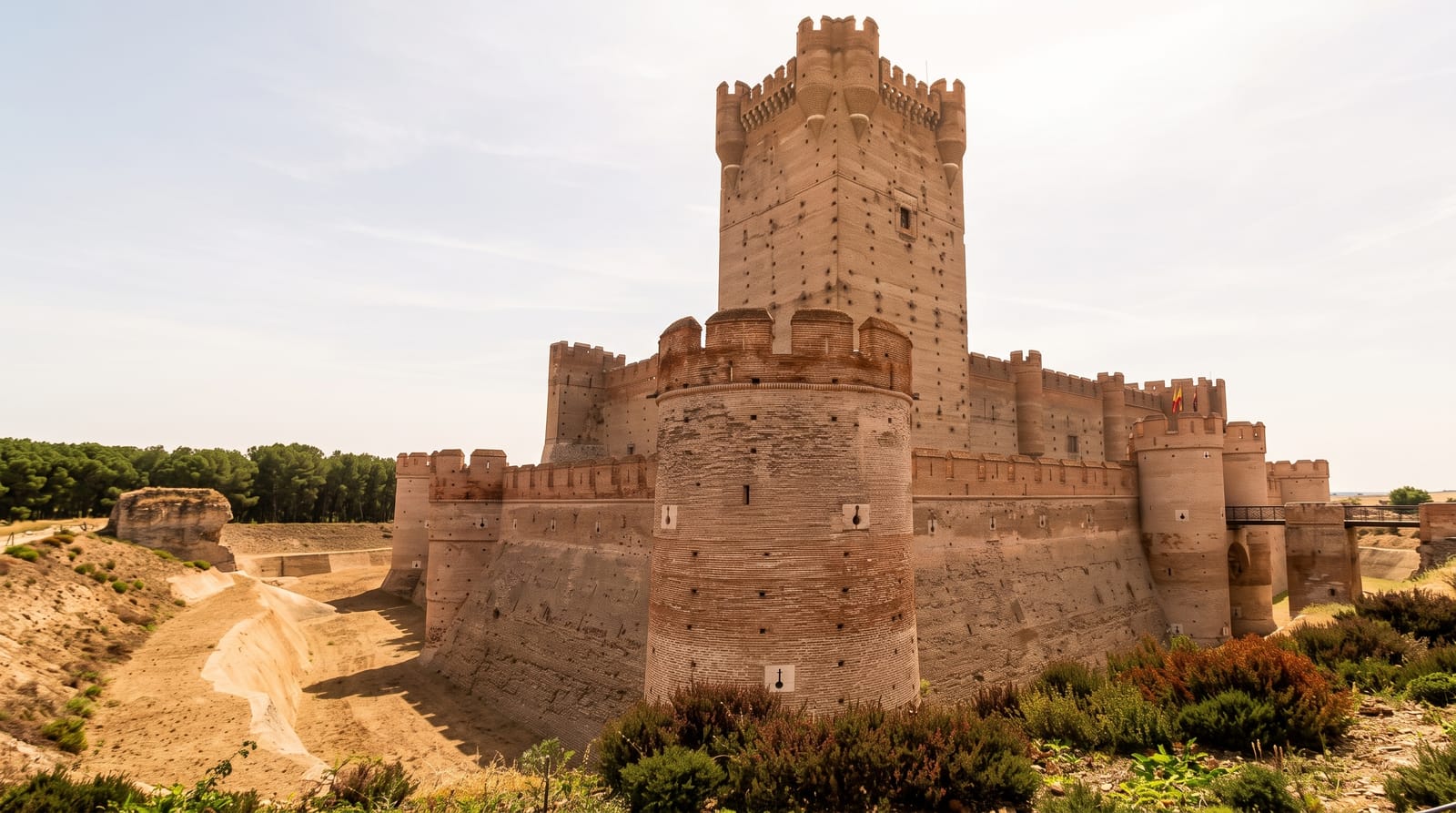
Falak-ol-Aflak stands on a natural rock outcrop above Khorramabad, founded in the Sassanid period and rebuilt many times since, a brick and stone fortress with eight towers around two courtyards, occupying about five thousand square metres on the summit. It served in turn as a citadel, a treasury, a governor's residence and, in the twentieth century, a prison, before being restored and opened as a museum covering the archaeology and ethnography of Lorestan, including the region's famous Bronze Age bronzes and Bakhtiari and Lur material culture. The rock beneath contains a large water cistern cut into it. The position gives a view over the whole city and the surrounding mountains, and the castle is floodlit at night.
History
The castle, also called Shapur Khast, was built in the Sasanian era, which lasted from 224 to 651, on a hill whose eastern and south-western sides are guarded by the Khorramabad River. In the Pahlavi era it was used as a prison until 1968 and then turned into a museum complex (Wikipedia, Falak-ol-Aflak).
What you'll find
- Eight towers on a rock - the fortress plan above the city.
- Lorestan bronzes - the region's Bronze Age metalwork, the strength of the museum destroyed in March 2026; check what is on show.
- The rock-cut cistern - a large water store beneath the courtyards.
- The city view - Khorramabad and the mountains from the walls.
When to go
April to June and September to October. Two hours. Evenings when the castle is floodlit are the local view of it. Summer in Khorramabad is hot and the rock offers no shade.
Things to know
On 8 March 2026 several parts of the castle were damaged and its museum was destroyed, so check whether the site is open and what, if anything, of the collection can be seen. The interior has been heavily restored and much of the fabric is modern. Museum labelling is largely in Persian. The climb up to the entrance is steep. There is little English interpretation of the bronzes, which is the collection's strength.
Nearby
The Khorramabad valley caves are nearby; Bisheh waterfall lies north-east.
Key facts
Source: Wikidata, item Q3497343, read on 18 October 2026.
What to pack for Falak-ol-Aflak Castle
Chosen from what this place is for. Tap a kit for the full checklist.
- Head torch + spare batteries - Hands-free light is essential; caves are truly dark. Find on Amazon
- Comfortable walking shoes - Sightseeing means kilometres of pavement and cobbles daily. Find on Amazon
- Grippy closed shoes - Cave floors are wet, muddy and slick with formations. Find on Amazon
- A slim anti-theft daypack - Zips that close properly; keep it in front in crowds and on transit. Find on Amazon
Some links on this page are Amazon affiliate links - if you buy through them we may earn a small commission at no extra cost to you.
All packing kitsPlan your trip
Where to start if Falak-ol-Aflak Castle is going on the list.
Booking links on this page are affiliate links - if you book through them we may earn a small commission at no extra cost to you. It never changes what we write about a place.
Opening times, ticket prices and seasonal closures change - check the official source before you go: official site.