Alam-Kuh
Iran's second highest peak, with a granite north wall that is the country's main big-wall climbing ground.
Updated 31 August 2026
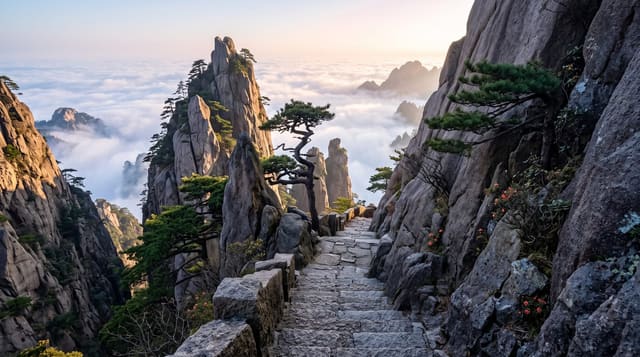
Alam-Kuh reaches 4,850 metres in the Takht-e Suleyman massif of the central Alborz and is the second highest mountain in Iran, but unlike Damavand it is a serious mountaineering objective rather than a walk. Its north face is a granite wall of about eight hundred metres, the largest in Iran and the main venue for technical rock and alpine climbing in the country, with routes established since the 1930s. The normal southern route is a scramble, but the approach from Rudbarak in the north goes up through the Alam Chal valley with a hut at about 4,100 metres and glacier remnants on the upper slopes. The surrounding massif holds several other peaks above four thousand metres and a long ridge traverse is possible.
The landscape
- The granite north wall - eight hundred metres, the largest face in Iran.
- Glacier remnants - the last ice on the upper northern slopes.
- The Alam Chal hut - the base camp at about 4,100 metres.
- A massif of four-thousand-metre peaks - the ridge running from the summit.
When to go
July to September; snow makes the routes serious outside that window. Three to five days including approach and acclimatisation. The north wall requires technical climbing experience and equipment.
Good to know
This is a mountaineering objective, not a hike, and the north face routes need real experience. Altitude affects most people. The hut is basic and crowded in season. There is no organised rescue. Weather changes fast and storms are dangerous.
Nearby
Rudbarak and Kelardasht are north; Damavand lies east along the range.
Key facts
Source: Wikidata, item Q3696208, read on 18 October 2026.
What to pack for Alam-Kuh
Chosen from what this place is for. Tap a kit for the full checklist.
- Broken-in walking shoes or boots - Grip and ankle support matter more than looks; never hike in brand-new boots. Find on Amazon
- Warm base layers - Merino or synthetic against the skin - never cotton, which chills when damp. Find on Amazon
- Layers for big temperature swings - Warm sun by day, near-freezing at night, even near the equator. Find on Amazon
- Shelter suited to the place - Tent, tarp or hut booking - match it to the terrain and rules. Find on Amazon
Some links on this page are Amazon affiliate links - if you buy through them we may earn a small commission at no extra cost to you.
All packing kitsPlan your trip
Where to start if Alam-Kuh is going on the list.
Booking links on this page are affiliate links - if you book through them we may earn a small commission at no extra cost to you. It never changes what we write about a place.
Opening times, ticket prices and seasonal closures change - check the official source before you go: official site.