Ramsar
A Caspian resort town of hot springs and a royal hotel, and the place the wetlands convention is named for.
Updated 19 October 2026
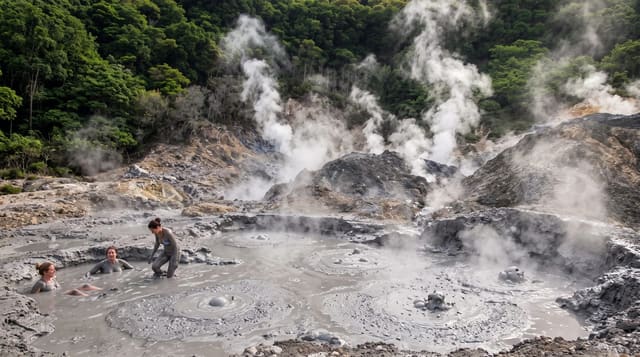
Ramsar sits on a narrow strip between the Caspian and the Alborz in western Mazandaran, and it was developed as a resort under the last shahs, with the Ramsar Grand Hotel of 1933 and a marble palace above the town, both set in gardens with a long axis running down to the sea. Hot springs rise here and feed bathhouses used for treatment. A cable car climbs from the town into the forested mountains behind for a view over the coast. The name is known internationally for a different reason: the Ramsar Convention on wetlands was signed here in 1971 and takes its name from the town. Parts of the area have unusually high natural background radiation from hot spring deposits, which has been studied for decades.
History
In 1971 Ramsar hosted the signing of the Convention on Wetlands of International Importance, which takes its name from the city (Wikipedia, Ramsar, Iran).
What you'll find
- The 1933 Grand Hotel - the resort building and its long garden axis.
- The marble palace - the royal residence above the town, now a museum.
- Hot spring bathhouses - mineral water used for treatment.
- The forest cable car - climbing into the Alborz behind the town.
When to go
May to September for the coast; the mountains behind are green year round and the springs work in any season. A day or overnight. Iranian holidays fill the coast completely.
What to expect
The Caspian coast is heavily and untidily developed and the beaches are not attractive. Bathing is segregated and rules apply. Summer humidity is heavy. Traffic on the coast road at holidays is severe. The cable car queues on busy days.
Nearby
The Caspian coast road runs both ways; Filband and the high villages lie inland.
What to pack for Ramsar
Chosen from what this place is for. Tap a kit for the full checklist.
- Reef-safe sunscreen - High SPF that will not bleach the coral you are swimming over. Find on Amazon
- Strong insect repellent - DEET or picaridin; the jungle is where bites and disease risk are highest. Find on Amazon
- Shelter suited to the place - Tent, tarp or hut booking - match it to the terrain and rules. Find on Amazon
- Swimwear - Needed at most public thermal pools; some traditional baths are nude and single-sex. Find on Amazon
Some links on this page are Amazon affiliate links - if you buy through them we may earn a small commission at no extra cost to you.
All packing kitsPlan your trip
Where to start if Ramsar is going on the list.
Booking links on this page are affiliate links - if you book through them we may earn a small commission at no extra cost to you. It never changes what we write about a place.
Opening times, ticket prices and seasonal closures change - check the official source before you go: official site.